Many buyers think a T-shirt starts with fabric only. But in real manufacturing, raw material choice affects quality, cost, fit, color, and production stability from the first step.
The raw materials for making T-shirts include fabric fibers, yarns, knitting materials, dyes, finishing chemicals, sewing threads, rib materials, labels, prints, trims, and packaging supplies. Each material affects the final product in a different way.
At Fusionknits, we see raw materials as the base of T-shirt manufacturing. A stable product does not come from sewing alone. It comes from choosing the right materials before production even begins.
What is the main raw material used to make a T-shirt?
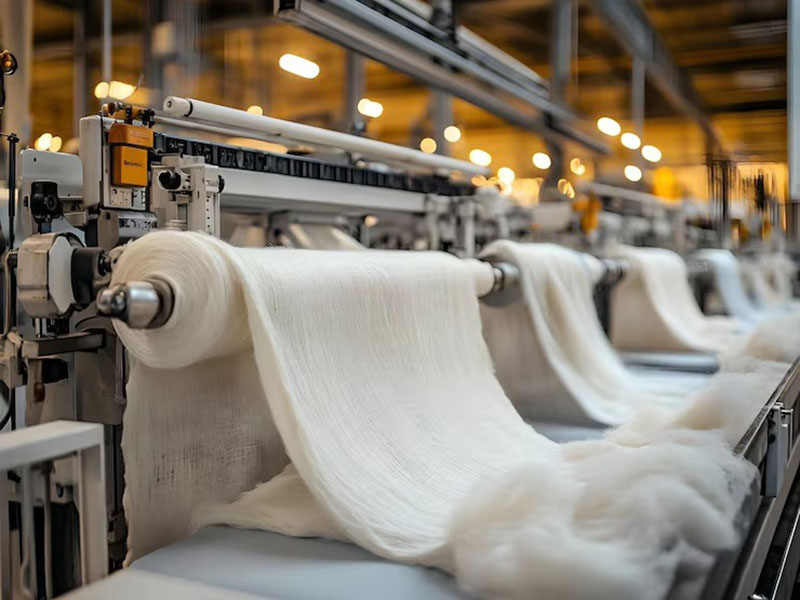
The main raw material in a T-shirt is the fabric. In most cases, that fabric is made from knitted yarn, and the yarn itself is made from one or more textile fibers.
The main raw material used to make a T-shirt is knitted fabric, usually single jersey, made from fibers such as cotton, polyester, viscose, or blended yarns. This fabric forms the body of the garment and has the biggest effect on comfort, appearance, and performance.
When people talk about T-shirt material, they often stop at fiber names like cotton or polyester. But from a manufacturing view, that is only the beginning. A finished T-shirt fabric is the result of fiber selection, yarn spinning, knitting structure, dyeing, and finishing.
At Fusionknits, we always look at fabric as a full material system. The same fiber can create very different results depending on yarn quality, fabric weight, and finishing method.
Common base fibers used in T-shirt fabric
- Cotton
- Polyester
- Viscose
- Modal
- Linen blends
- Elastane or spandex for stretch
Why fabric is the primary raw material
The fabric forms most of the garment. It controls hand feel, breathability, drape, opacity, shrinkage, pilling risk, and wash performance. If the fabric choice is wrong, the sewing quality alone cannot fix the product.
Fabric forms commonly used in T-shirt manufacturing
| Fabric form | Typical use |
|---|---|
| Single jersey | Standard basic T-shirts |
| Interlock | Softer and thicker T-shirts |
| Rib knit | Collar, cuffs, or body panels in some styles |
| Pique knit | Polo-style tops and textured casual tops |
| Stretch jersey | Fitted or performance T-shirts |
A professional manufacturer does not only choose a fiber. It chooses a fabric construction that matches the target product.
Which fibers are most commonly used in T-shirt production?
Fiber is the starting point of the fabric. Different fibers give the T-shirt different performance, texture, and market positioning.

The most common fibers used in T-shirt production are cotton, polyester, viscose, modal, and elastane. Cotton is valued for softness and breathability, polyester for durability and moisture control, and blends for balancing comfort, function, and cost.
Different markets need different fiber solutions. A fashion brand may want a soft premium cotton hand feel. A sportswear buyer may need more moisture management. A promotional buyer may focus more on price control and production efficiency.
At Fusionknits, we select fiber content based on end use, not only on trend or cost.
Common T-shirt fibers and their roles
Cotton
Cotton remains one of the most common fibers in T-shirt production. It offers softness, breathability, and a natural feel. It is widely used in casualwear and lifestyle products.
Polyester
Polyester is strong, stable, and easy to maintain. It is common in activewear, performance T-shirts, and budget-friendly products that need shape retention.
Viscose
Viscose gives a softer and smoother hand feel. It can improve drape and comfort, but it may need more control in production and washing.
Modal
Modal is often used in softer and more premium T-shirt programs. It offers a clean touch and good drape.
Elastane
Elastane is usually added in a small percentage. It improves stretch and recovery, especially in fitted or functional products.
A simple comparison of common fibers
| Fiber | Main benefit | Common limitation |
|---|---|---|
| Cotton | Soft and breathable | Can shrink more if poorly finished |
| Polyester | Durable and stable | Less natural hand feel |
| Viscose | Soft and smooth | Can be less stable in wet processing |
| Modal | Premium touch and drape | Higher material cost |
| Elastane | Stretch and recovery | Usually used only in blends |
Why blended fibers are common
Many T-shirts are not made from one fiber only. Blends help manufacturers combine strengths.
- Cotton + polyester can balance comfort and durability
- Cotton + elastane can improve fit and movement
- Polyester + viscose can improve softness and drape
- Cotton + modal can raise hand feel and product value
A good raw material plan begins with fiber logic. The best fiber is not always the most expensive one. It is the one that fits the product purpose.
How do yarns affect the quality of a T-shirt?
Yarn is the direct link between fiber and fabric. Once the fiber is spun into yarn, yarn quality begins to shape how the fabric looks, feels, and performs.
Yarns affect the quality of a T-shirt by influencing softness, surface appearance, strength, pilling performance, and fabric consistency. Even when two fabrics use the same fiber, different yarn qualities can create very different final results.
Many buyers focus on fiber content because it is easy to understand. But in real manufacturing, yarn quality is just as important. A 100% cotton T-shirt can feel smooth and premium, or rough and unstable, depending on how the yarn is made.
At Fusionknits, we look closely at yarn specification when we review material options for a T-shirt order.
Key yarn factors in T-shirt production
- Yarn count
- Yarn evenness
- Yarn strength
- Hairiness level
- Spinning method
- Blend consistency
Common yarn types used for T-shirts
Carded yarn
This is a more basic yarn option. It is often used in lower-cost products. The surface may be less smooth than combed yarn.
Combed yarn
This yarn goes through an extra process to remove shorter fibers. It usually creates a cleaner and softer fabric surface.
Ring-spun yarn
Ring-spun yarn often gives a softer touch and better appearance. It is common in higher-quality T-shirts.
Open-end yarn
This is often used for cost-sensitive products. It can support volume production but may not deliver the same softness as ring-spun yarn.
How yarn changes the final fabric
| Yarn feature | Effect on T-shirt |
|---|---|
| Finer yarn count | Smoother and lighter fabric |
| Better yarn evenness | Cleaner fabric surface |
| Lower hairiness | Less pilling and cleaner look |
| Stronger yarn | Better durability in wear and sewing |
| Better spinning method | Improved hand feel and consistency |
A fabric made from better yarn usually performs better in knitting, dyeing, sewing, and daily use. This is why yarn quality should be part of any serious discussion about raw materials.
What knitting materials and structures are used to make T-shirt fabric?
After yarn is prepared, it is turned into fabric through knitting. At this stage, the raw material is no longer just fiber or yarn. It becomes a textile structure with its own behavior.
The knitting materials and structures used to make T-shirt fabric usually include cotton, polyester, or blended yarns knitted into forms such as single jersey, interlock, rib, or stretch jersey. The knit structure affects weight, texture, flexibility, and appearance.
When a buyer says, “I need cotton fabric,” that is still not enough for production. We also need to know how the yarn should be knitted. The same cotton yarn can create very different fabrics depending on the knit structure.
At Fusionknits, we review knit structure together with fiber and yarn selection. These parts must work together.
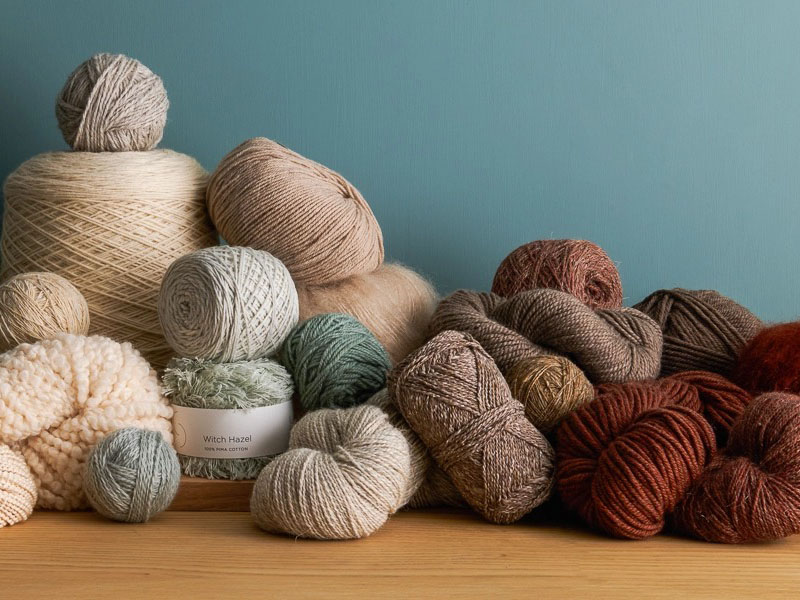
Common knit structures for T-shirts
Single jersey
This is the most common T-shirt fabric structure. It is flexible, efficient, and suitable for many casual styles.
Interlock
Interlock is thicker and smoother. It often gives a more substantial feel and a cleaner appearance.
Rib knit
Rib is usually used for collars, cuffs, or fitted panels because it has strong elasticity.
Stretch jersey
This structure is often used in fitted or activewear T-shirts when flexibility is important.
Why structure matters
The structure affects:
- Fabric stretch
- Recovery
- Thickness
- Surface texture
- Drape
- Stability during sewing
Example of structure selection by product type
| Product type | Common knit structure | Reason |
|---|---|---|
| Basic casual T-shirt | Single jersey | Standard and versatile |
| Premium T-shirt | Interlock or high-quality jersey | Better hand feel and body |
| Fitted fashion tee | Stretch jersey | Better recovery and movement |
| Collar material | Rib knit | Stronger elasticity and shape |
Raw materials do not stop at fiber and yarn. In industrial manufacturing, the knit structure is also part of the material decision.
What chemicals and dyes are used in T-shirt manufacturing?
T-shirt production does not rely only on textile fibers. It also uses dyes and finishing chemicals to create the final color, hand feel, and performance.
The chemicals and dyes used in T-shirt manufacturing include reactive dyes, disperse dyes, softeners, enzymes, silicone finishes, anti-pilling agents, and other textile processing chemicals. These materials help achieve the required color, touch, and fabric performance.
Some buyers only think of chemicals as a dye-house topic. But from a manufacturing view, these materials are part of the raw material system because they directly shape the finished fabric.
At Fusionknits, we pay close attention to wet processing inputs because they affect not only the look of the fabric, but also its stability and compliance.
Main chemical categories used in T-shirt production
- Dyes
- Washing agents
- Enzymes
- Softeners
- Silicone finishes
- Fixing agents
- Anti-pilling finishes
- Shrinkage control chemicals
Common dye types by fiber
Reactive dyes
These are commonly used for cotton and other cellulosic fibers. They help create strong color results.
Disperse dyes
These are commonly used for polyester fabrics.
Common finishing materials
Softeners
These improve hand feel and can make the fabric feel smoother or fuller.
Enzyme wash agents
These can help clean the surface and improve softness.
Silicone finish
This can give a smoother and softer touch, especially in premium products.
Functional finishing agents
These may add moisture management, anti-bacterial function, or anti-pilling support.
Why these materials matter
| Material type | Effect on final T-shirt |
|---|---|
| Dyes | Color appearance and shade consistency |
| Softeners | Hand feel and comfort |
| Enzymes | Surface cleanliness and softness |
| Silicone | Smooth touch and premium finish |
| Fixing agents | Better colorfastness |
| Functional chemicals | Added product performance |
These materials must be selected carefully. The wrong finishing choice can damage color, hand feel, sewing behavior, or wash performance.
What sewing and trim materials are needed to make a T-shirt?
A T-shirt is not made from fabric alone. It also needs sewing support materials and trims that complete the garment.

The sewing and trim materials needed to make a T-shirt include sewing thread, neck rib, labels, care tags, size labels, prints, embroidery backing, hangtags, buttons in special styles, and packaging supplies. These materials support garment assembly, branding, and presentation.
At factory level, these items may look small compared with fabric, but they still affect the product in important ways. A poor thread can break. A weak rib can lose shape. A wrong label can create packing and retail problems.
At Fusionknits, we treat sewing materials and trims as part of the raw material planning stage, not as an afterthought.
Main sewing and trim materials in T-shirt production
- Sewing thread
- Rib fabric for necklines
- Main labels
- Care labels
- Size labels
- Print paste or transfer film
- Embroidery backing
- Hangtags
- Polybags
- Cartons
- Barcode stickers
Why sewing thread matters
Thread affects seam strength, sewing speed, and appearance. The thread must match the fabric type and the end use of the garment.
Why rib material matters
The neck rib plays a major role in neckline recovery and appearance. Even if the body fabric is good, a weak rib can reduce the value of the whole T-shirt.
Why labels and packaging materials matter
These materials support:
- Brand identity
- Size recognition
- Care instruction
- Warehouse handling
- Export packing
- Retail presentation
Common trim materials and their functions
| Trim material | Main function |
|---|---|
| Sewing thread | Garment assembly |
| Neck rib | Neckline shape and recovery |
| Main label | Brand identity |
| Care label | Product care information |
| Size label | Size recognition |
| Print materials | Decoration and branding |
| Polybag | Product protection |
| Carton | Shipment and storage |
A strong T-shirt program depends on more than the visible outer fabric. Small materials often influence quality perception more than buyers expect.
How do raw materials affect T-shirt cost and quality?
Raw materials shape both the cost structure and the final market value of a T-shirt. They are one of the biggest factors in product development.
Raw materials affect T-shirt cost and quality by influencing fabric price, sewing efficiency, shrinkage control, durability, hand feel, appearance, and failure risk. Better materials usually improve stability, but they also need to match the target market and price level.
Some buyers assume the cheapest raw material choice always creates the best margin. In practice, weak materials often create hidden costs through defects, rework, late delivery, customer complaints, or lower repeat orders.
At Fusionknits, we always evaluate raw materials with a full production view.
How raw materials affect manufacturing results
Fabric quality
Higher fabric quality often supports better sewing performance and stronger product appearance.
Yarn stability
Better yarn can reduce defects and improve consistency.
Finishing quality
Good wet processing can improve hand feel and colorfastness.
Trim quality
Stable trims reduce breakage, mislabeling, and packing issues.
Cost factors linked to raw materials
- Fiber type
- Yarn quality
- Fabric weight
- Dyeing method
- Functional finishes
- Decoration materials
- Label requirements
- Packaging standard
A simple cost and quality view
| Material level | Possible advantage | Possible risk |
|---|---|---|
| Low-cost raw materials | Lower first cost | More risk in quality and consistency |
| Mid-range raw materials | Better balance | Needs careful selection |
| Premium raw materials | Higher market value | Higher unit cost |
Good manufacturing is not about using the most expensive materials every time. It is about using the right material combination for the right product.
Why should buyers understand T-shirt raw materials before placing orders?
A T-shirt may look simple, but its raw material system is not simple. Buyers who understand materials can make better sourcing and product decisions.
Buyers should understand T-shirt raw materials before placing orders because material selection affects product quality, target price, fit stability, compliance, production risk, and customer satisfaction. Better material knowledge leads to better supplier communication and better buying decisions.
At Fusionknits, we often see that material clarity improves the whole order flow. Sampling becomes faster. Technical comments become clearer. Bulk expectations become more realistic.
Questions buyers should ask about raw materials
- What fiber content is best for this product?
- What yarn quality is being used?
- What knit structure fits the target market?
- How is shrinkage controlled?
- What finishing chemicals affect the hand feel?
- What rib and thread materials are used?
- What print and packaging materials are included?
What buyers gain from better material understanding
- Better product planning
- Better supplier comparison
- Fewer sampling revisions
- Stronger quality control
- Lower risk in bulk production
- More accurate cost judgment
Raw material knowledge helps buyers move beyond simple price comparison. It helps them understand how a T-shirt is really built.
Conclusion
The raw materials for making T-shirts include much more than cotton or polyester fabric. In industrial manufacturing, the full raw material system includes fibers, yarns, knit structures, dyes, finishing chemicals, sewing threads, rib materials, labels, decoration materials, and packaging supplies. Each one plays a different role in the final garment.
For buyers, understanding these materials helps improve product planning, sourcing decisions, and quality control. For manufacturers, careful raw material selection is the foundation of stable T-shirt production. At Fusionknits, we believe a reliable T-shirt starts with the right material strategy, because strong products are built from the raw materials up.