Wrinkled shirts make a good product look cheap very fast. For buyers, this creates problems in retail display, travel use, and customer satisfaction. A shirt may have a nice design, but if the fabric creases too easily, the product loses value.
No shirt material is completely wrinkle-proof, but polyester, polyester blends, nylon blends, and performance fabrics are the most wrinkle-resistant options. Cotton and linen wrinkle more easily, while blended fabrics usually offer the best balance between appearance, comfort, and easy care.
At Fusionknits, we see wrinkle resistance as both a fabric issue and a product development issue. The fiber content matters, but fabric construction, finishing, and garment use also affect how a shirt looks after wearing, packing, and washing.
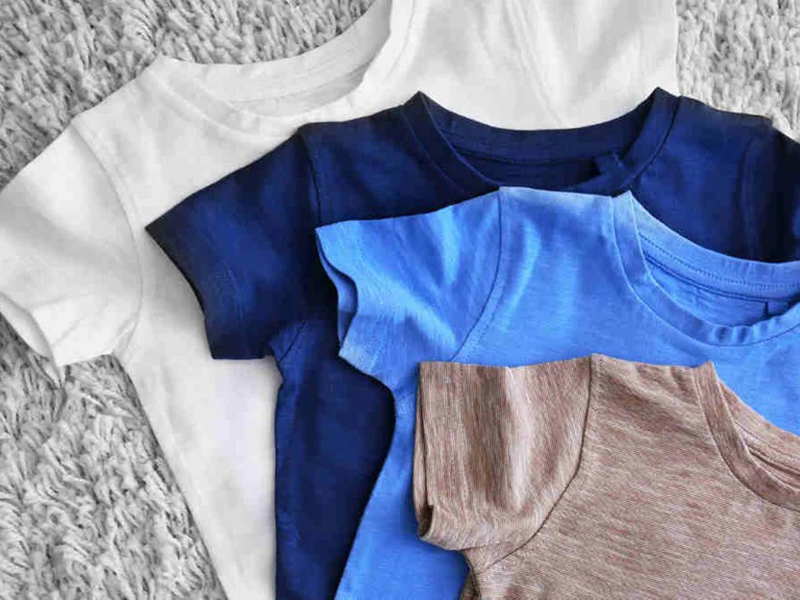
Which shirt materials resist wrinkles the most?
Some shirt materials hold their shape much better than others. This usually depends on fiber structure, fabric construction, and finishing treatment.
The shirt materials that resist wrinkles the most are polyester, polyester-cotton blends, nylon blends, and certain performance fabrics with wrinkle-resistant finishing. These materials recover their shape more easily than natural fibers and usually need less ironing after washing or packing.
Wrinkle resistance starts at the fiber level. Synthetic fibers are generally more resilient than natural fibers. They tend to spring back better after folding, pressure, or movement. That is why many travel shirts, work shirts, and easy-care uniforms rely on synthetic content.
At Fusionknits, we usually explain wrinkle resistance in practical terms. Buyers often ask for “non-wrinkle” fabric, but in real production, the better question is how much wrinkle resistance the product needs and what trade-offs are acceptable.
Common wrinkle-resistant shirt materials
- 100% polyester
- Polyester-cotton blends
- Polyester-viscose blends
- Nylon blends
- Performance knit fabrics
- Wrinkle-resistant treated woven fabrics
Why these materials perform better
Better shape recovery
Synthetic fibers usually return to form more easily after folding or pressure.
Lower moisture absorption
Materials that absorb less moisture often wrinkle less during wear and washing.
More stable surface behavior
These fabrics usually keep a cleaner appearance through daily use.
A simple comparison of wrinkle resistance
| Material | Wrinkle resistance level | Common use |
|---|---|---|
| Polyester | High | Easy-care shirts, uniforms, travel shirts |
| Polyester-cotton blend | Medium to high | Casual shirts, work shirts, school shirts |
| Nylon blend | High | Technical and performance shirts |
| Cotton | Low to medium | Casual and classic shirts |
| Linen | Low | Summer shirts with natural texture |
| Rayon or viscose | Low to medium | Soft fashion shirts |
For most shirt programs, a blended fabric gives a more practical result than relying on one fiber alone.
Why do some shirt fabrics wrinkle more than others?
Wrinkling is not random. It happens because some fibers bend and stay bent more easily than others.

Some shirt fabrics wrinkle more than others because of their fiber structure, moisture response, fabric density, and finishing. Natural fibers such as cotton and linen crease more easily because they do not recover their shape as well as many synthetic fibers.
A fabric wrinkles when pressure, folding, or body movement changes its shape and the fibers do not return fully to their original position. This is why one shirt looks smooth after a day of wear while another looks crushed after only a short time.
At Fusionknits, we look at wrinkle behavior as part of overall fabric performance. A soft natural fabric may feel premium, but it may still need more care to maintain a clean appearance.
Main factors that affect wrinkling
- Fiber type
- Yarn structure
- Fabric construction
- Fabric weight
- Moisture absorption
- Finishing treatment
Why natural fibers wrinkle more easily
Cotton absorbs moisture
When cotton absorbs moisture from washing or body heat, it becomes easier for creases to form.
Linen has lower crease recovery
Linen has many strengths, but easy-care appearance is not one of them.
Softer drape can mean less recovery
Some soft fabrics fall nicely, but they do not bounce back well after folding.
How fabric construction also matters
| Fabric factor | Effect on wrinkle behavior |
|---|---|
| Loose weave or knit | Can wrinkle more easily |
| Tighter structure | Usually holds shape better |
| Heavier fabric | May drape better but still crease depending on fiber |
| Stretch content | Can improve recovery in some fabrics |
Wrinkle resistance is never only about one factor. It comes from how the whole material system works together.
Is polyester the best wrinkle-free shirt material?
Polyester is often the first material people think of when they want a wrinkle-resistant shirt. In many cases, that is for good reason.
Polyester is one of the best wrinkle-resistant shirt materials because it holds shape well, dries quickly, and requires less ironing than most natural fibers. However, it is not always the best choice for every product, because comfort, hand feel, and market position also matter.
From a performance view, polyester is very strong in wrinkle resistance. It works especially well for travel shirts, uniform shirts, easy-care garments, and products that need a clean look after washing or packing.
But polyester also has limits. Some buyers want a more natural hand feel. Some markets prefer cotton-rich shirts for comfort and brand position. This is why a fully synthetic answer is not always the best commercial answer.
At Fusionknits, we usually recommend polyester when wrinkle resistance is the top priority. But when the customer wants a balance of comfort and appearance, we often look at blends instead.
Why polyester performs well
- Strong crease recovery
- Low moisture absorption
- Fast drying
- Good shape retention
- Easy-care handling
Where polyester works best
Uniform shirts
These often need clean appearance through long wear.
Travel shirts
The fabric should survive folding and packing with less ironing.
Performance shirts
Wrinkle resistance fits well with easy-care and quick-dry functions.
Common limitations of polyester
| Polyester strength | Possible concern |
|---|---|
| Good wrinkle resistance | Less natural touch |
| Easy maintenance | Some customers dislike synthetic feel |
| Strong shape retention | May feel less breathable in some constructions |
| Good durability | Product image depends on fabric quality level |
So yes, polyester is one of the best wrinkle-resistant materials, but it still needs to match the product purpose and customer expectation.
Are cotton blends better than 100% cotton for wrinkle resistance?
Cotton is still one of the most popular shirt materials in the world. But on its own, it wrinkles more easily than many buyers want.
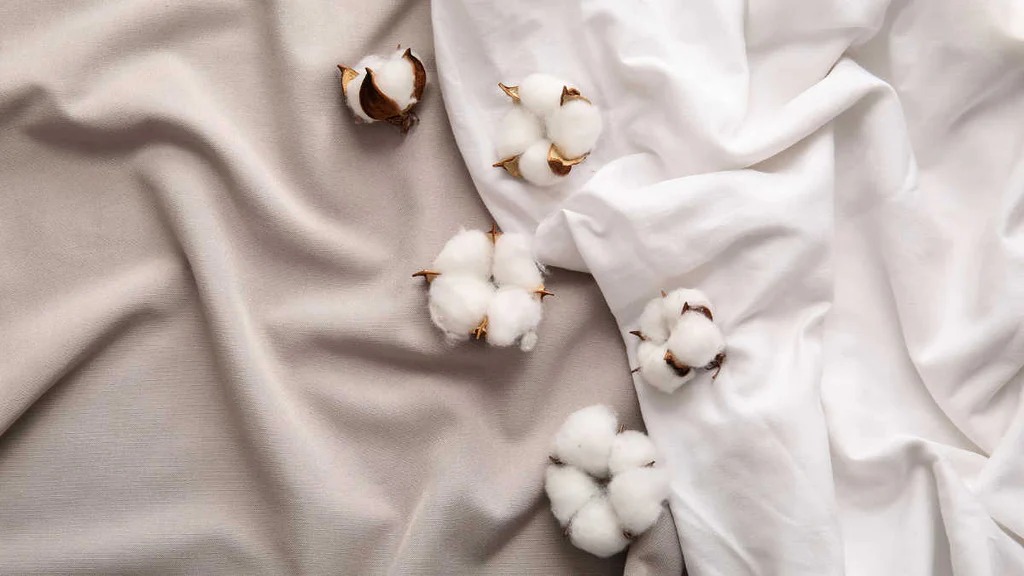
Cotton blends are usually better than 100% cotton for wrinkle resistance because the added synthetic fiber improves shape recovery and reduces the amount of creasing during wear, washing, and storage.
A 100% cotton shirt offers softness, breathability, and a natural touch. These are important strengths. But if the product also needs easy care, cotton alone may not be enough.
At Fusionknits, we often use blends when buyers want to keep some of the comfort of cotton but improve wrinkle resistance at the same time. This is one of the most common solutions in commercial shirt manufacturing.
Common cotton blend options
- Cotton-polyester
- Cotton-nylon
- Cotton-spandex with wrinkle-resistant finishing
- Cotton-polyester-stretch blends
Why blends work well
Better wrinkle recovery
The synthetic content helps the shirt return to shape more easily.
Better production balance
Blended fabrics can support both appearance and usability.
Broader market flexibility
A blend can appeal to buyers who want comfort without high maintenance.
Cotton vs. cotton blend comparison
| Fabric type | Wrinkle resistance | Hand feel | Common use |
|---|---|---|---|
| 100% cotton | Low to medium | Natural and soft | Casual shirts, premium basics |
| Cotton-poly blend | Medium to high | Balanced | Work shirts, school shirts, easy-care shirts |
| Cotton-stretch blend | Medium | Comfortable and flexible | Fitted shirts, modern casual shirts |
For many shirt programs, a cotton blend is the most practical choice because it solves a real user problem without making the shirt feel too technical.
What shirt fabrics offer the best balance between wrinkle resistance and comfort?
Some buyers want the strongest wrinkle resistance possible. Others want a more balanced shirt that still feels comfortable and natural.
The shirt fabrics that offer the best balance between wrinkle resistance and comfort are polyester-cotton blends, cotton-rich easy-care fabrics, polyester-viscose blends, and some performance blends with a soft hand feel. These fabrics reduce wrinkling without losing wear comfort completely.
This balance matters in real product development. A shirt that never wrinkles but feels uncomfortable will not perform well in the market. In the same way, a very soft shirt that wrinkles too fast may not satisfy the customer either.
At Fusionknits, we usually guide buyers toward the middle ground when the target market values both appearance and wearability.
Balanced fabric choices for shirts
- Cotton-polyester poplin
- Cotton-poly twill
- Polyester-viscose shirting
- Cotton-stretch blends with easy-care finish
- Soft performance woven fabrics
Why these fabrics are popular
They look cleaner for longer
The shirt keeps a more presentable surface through daily use.
They feel easier to wear
These fabrics often offer a softer or more familiar touch than 100% synthetic options.
They support broader use
They can fit office, travel, uniform, and casual markets.
A balance comparison table
| Fabric | Wrinkle resistance | Comfort level | Typical market |
|---|---|---|---|
| 100% polyester | High | Medium | Uniform, travel, easy-care |
| Poly-cotton blend | Medium to high | Medium to high | Business casual, workwear |
| Poly-viscose blend | Medium to high | Medium | Fashion, officewear |
| Cotton easy-care fabric | Medium | High | Casual and smart casual shirts |
| Linen-cotton blend | Low to medium | High | Summer casual shirts |
The best shirt material is often not the one with the strongest technical property. It is the one that best matches the real use of the garment.
Can fabric finishing make a shirt more wrinkle-resistant?
Fiber content is important, but it is not the only tool manufacturers use. Fabric finishing can also improve how a shirt performs after washing and wearing.

Yes, fabric finishing can make a shirt more wrinkle-resistant. Easy-care, wrinkle-resistant, or non-iron finishes help fabrics recover better from creasing and maintain a smoother appearance during use.
This is especially important for cotton or cotton-rich shirts. Without finishing, these fabrics may wrinkle more than desired. With the right finishing treatment, the same fabric can perform much better in everyday use.
At Fusionknits, we always remind buyers that fiber choice and finishing should be discussed together. A cotton shirt with proper finishing may perform better than expected, while a synthetic shirt with poor finishing may still look weak.
Common finishing methods used to improve wrinkle resistance
- Easy-care finish
- Wrinkle-resistant finish
- Non-iron finish
- Resin-based finishing treatments
- Shape-retention finishing
What finishing can improve
Better crease recovery
The fabric can return to a smoother state more easily.
Lower ironing need
Some shirts need much less pressing after laundering.
Better retail presentation
The garment stays neater during folding, packing, and display.
Limits of finishing
| Benefit | Limitation |
|---|---|
| Better wrinkle control | Not permanent in every case |
| Cleaner appearance | Can change hand feel slightly |
| Easier maintenance | Performance depends on care method |
| Stronger shape retention | Quality depends on finishing standard |
Finishing is not magic, but in shirt manufacturing it can significantly improve product usability.
Which shirt materials wrinkle the most?
To understand wrinkle-resistant shirts, it also helps to know which materials crease most easily.
The shirt materials that wrinkle the most are linen, 100% cotton, rayon, and viscose-rich fabrics. These materials can offer softness, breathability, or a premium natural look, but they usually require more care to stay smooth.
Some of these fabrics are still excellent choices, depending on the product goal. Linen, for example, is valued for breathability and natural texture. Its wrinkling is often accepted as part of its character. Cotton also remains a strong material because of comfort and natural appeal.
At Fusionknits, we do not treat wrinkling as a defect in every situation. Sometimes it is part of the fabric identity. What matters is whether the fabric matches the intended market and customer expectation.
Shirt materials that wrinkle easily
- Linen
- 100% cotton poplin
- Rayon
- Viscose
- Lightweight untreated woven fabrics
Why these fabrics still remain popular
Natural appearance
Some markets prefer authentic texture over perfect smoothness.
Better softness
Certain wrinkle-prone fabrics feel softer and more relaxed.
Seasonal value
Linen and lightweight cotton remain strong for summer use.
Wrinkle-prone materials at a glance
| Material | Wrinkle tendency | Main advantage |
|---|---|---|
| Linen | High | Breathable and natural |
| 100% cotton | Medium to high | Soft and comfortable |
| Rayon | Medium to high | Fluid drape |
| Viscose | Medium to high | Smooth touch |
| Untreated lightweight woven | Medium to high | Light and airy feel |
This is why fabric selection should always begin with product purpose, not with one isolated performance target.
How should buyers choose the right wrinkle-resistant shirt fabric?
Choosing the right shirt fabric is not only about asking which material wrinkles the least. It is about understanding the product goal, target market, and use condition.
Buyers should choose wrinkle-resistant shirt fabric by balancing appearance, comfort, care needs, price level, and end use. Polyester works best when easy care is the main goal, while blends often work best when buyers want both wrinkle resistance and everyday comfort.
At Fusionknits, we usually ask buyers a few practical questions first. Is the shirt for travel? Office uniforms? Retail casualwear? Premium basics? These answers affect whether the best solution is a synthetic fabric, a blend, or a treated natural fabric.
Questions buyers should ask before choosing fabric
- How important is wrinkle resistance?
- Is the shirt for work, travel, casual use, or fashion retail?
- Does the market prefer natural feel or easy care?
- Will the product be washed frequently?
- Does the shirt need stretch or performance function?
- Is ironing a problem for the end user?
A practical material selection guide
Choose polyester when:
- Easy care is the top priority
- The shirt needs strong wrinkle resistance
- The product is for uniforms or travel use
Choose a cotton-poly blend when:
- The buyer wants balance
- Comfort still matters
- The shirt needs broad market appeal
Choose treated cotton when:
- The market strongly prefers natural fibers
- A cleaner appearance is still needed
- The product sits in a more premium casual category
A simple decision table
| Product goal | Best material direction |
|---|---|
| Maximum wrinkle resistance | Polyester or nylon blend |
| Best balance | Cotton-poly blend |
| Natural feel with some easy care | Treated cotton or cotton blend |
| Soft fashion shirt | Poly-viscose or soft blend |
| Summer relaxed shirt | Cotton or linen blend |
A strong fabric decision usually comes from balancing technical performance with real commercial use.
Conclusion
No shirt material is completely wrinkle-proof, but polyester, polyester blends, nylon blends, and easy-care performance fabrics offer the strongest wrinkle resistance. Cotton and linen wrinkle more easily, while blended fabrics often provide the best balance between smooth appearance, comfort, and practical daily wear.
For buyers, the right choice depends on the product goal. A travel shirt, a uniform shirt, and a casual retail shirt do not need the same fabric solution.
At Fusionknits, we believe wrinkle resistance should be evaluated as part of the full product strategy, because the best shirt material is not only the one that wrinkles less, but the one that performs best for the intended market, use, and customer expectation.