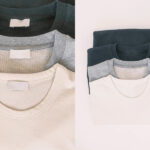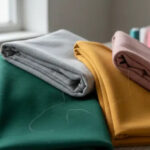
Sweater quality begins with material selection. Choosing the wrong fiber can compromise softness, durability, warmth, and overall garment performance, resulting in customer dissatisfaction and increased returns. Identifying which materials to avoid is a crucial step in ensuring a high-quality, commercially viable product.
Materials to avoid in sweaters generally include low-grade acrylics, poorly processed wool, cheap polyester blends, short-staple cotton, and fibers prone to pilling, shrinkage, or stiffness. Eliminating these fibers from production guarantees comfort, longevity, and visual appeal, while enhancing brand reputation.
At Fusionknits, we integrate fiber performance analysis, production feasibility, and consumer expectations to guide material choices. This careful selection process ensures that sweaters are not only stylish and comfortable but also built to last.
Why Material Selection Is Critical
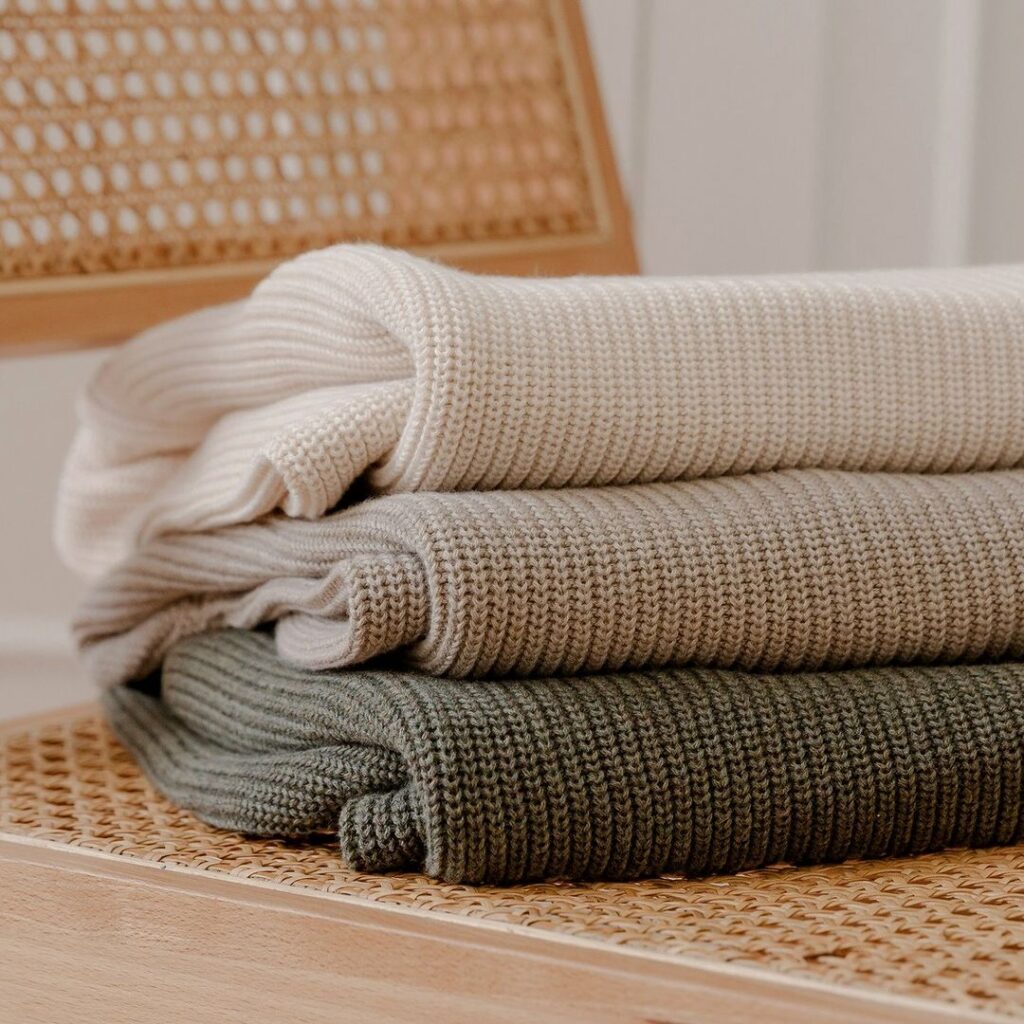
Material defines the tactile experience, thermal properties, and visual quality of a sweater. Poor fiber selection can lead to rough hand feel, uneven drape, premature pilling, shrinkage, and reduced elasticity, ultimately affecting consumer perception and brand trust.
Avoiding low-quality fibers is essential because substandard materials often result in garments that degrade quickly, lose shape, or fail to deliver a premium hand feel. High-quality materials support both functional and aesthetic performance, extending the life of the garment.
At Fusionknits, we assess fiber attributes such as softness, recovery, resilience, durability, and dye retention. Only materials that meet strict criteria for wearability, comfort, and production consistency are approved for use.
Key Material Considerations
- Softness and hand feel for direct skin contact
- Recovery and elasticity to maintain shape
- Durability and resistance to abrasion and pilling
- Color fastness to maintain appearance after washing
- Thermal insulation appropriate for seasonal use
Why Low-Grade Acrylic Should Be Avoided
Low-quality acrylic fibers are often marketed as affordable alternatives to natural fibers, but they have significant drawbacks. These include poor resilience, excessive pilling, synthetic hand feel, and limited lifespan.
Low-grade acrylic should be avoided because it quickly loses softness and structural integrity. While it may feel acceptable initially, its long-term performance is subpar, resulting in unsatisfactory consumer experiences.
At Fusionknits, acrylic is only used when its quality is verified. High-grade acrylic can be blended with natural fibers to improve durability and comfort, but pure, cheap acrylics are excluded from premium lines.
Problems with Cheap Acrylic
- High propensity for pilling after minimal wear
- Artificial, rough hand feel that reduces comfort
- Poor elasticity and shape retention
- Inconsistent dyeing and color fading
Acceptable Applications
- High-quality acrylic blends with cotton or wool
- Controlled knitting and finishing to reduce pilling
- Budget-friendly lines where fiber quality is verified
Why Poorly Processed Wool Is Problematic
Not all wool is suitable for sweaters. Coarse, untreated, or weakly spun wool can feel itchy, shrink unpredictably, and develop weak spots in knit structures.
Sweaters made from poorly processed wool can irritate the skin, distort after washing, and pill excessively. Avoiding low-quality wool ensures garments remain comfortable, durable, and visually appealing.
At Fusionknits, wool is sourced based on fiber diameter, softness, and processing quality. Fine merino or cashmere-grade fibers are prioritized for premium products, while lower-grade wool is either treated or blended to improve performance.
Risks of Low-Quality Wool
- Coarse fibers causing discomfort or itchiness
- Uneven thickness leading to irregular drape
- Shrinkage or felting after washing
- Increased risk of pilling and wear
Mitigation Strategies
- Use fine-grade merino or cashmere fibers
- Blend with synthetic fibers like nylon for durability
- Employ pre-washing and finishing techniques to stabilize fibers
Why Cheap Polyester and Synthetic Blends Are Risky
Low-cost polyester blends can compromise softness, breathability, and longevity. Poorly spun or untreated synthetic fibers often feel stiff and trap heat, diminishing wearer comfort.
Avoid cheap polyester and synthetic blends because they fail to provide the hand feel, drape, or longevity that consumers expect. While synthetics are acceptable in controlled blends, low-grade fibers undermine the product's overall quality.
At Fusionknits, polyester is selectively used to support recovery, maintain shape, and enhance durability, but only when it complements natural fibers and contributes positively to wearability.
Challenges with Low-Grade Synthetics
- Stiff, uncomfortable hand feel
- Poor thermal regulation
- Tendency to pill or degrade quickly
- Difficulty retaining color after washing
Acceptable Uses
- Support fibers in wool or cotton blends
- Engineered synthetics designed for softness and durability
- Blends that enhance recovery without compromising comfort
Fibers Prone to Pilling Should Be Avoided
Short-staple or loosely spun fibers tend to pill, which reduces aesthetic appeal and perceived value. Excessive pilling is often the primary consumer complaint in low-quality sweaters.
Avoid fibers prone to pilling, such as low-grade acrylic, short-staple cotton, coarse wool, and certain synthetics. Pilling diminishes the garment's appearance and longevity.
At Fusionknits, all yarns undergo pilling tests before production. We prioritize long-staple fibers and tightly spun yarns to reduce surface fuzz and maintain a clean appearance.
High-Risk Fibers
- Low-grade acrylic
- Short-staple cotton
- Untreated or coarse wool
- Poorly spun synthetics
Preventive Strategies
- Use long-staple fibers
- Optimize spinning and yarn twist
- Blend fibers for additional strength
- Implement finishing processes that reduce pilling
Fibers Prone to Shrinkage
Natural fibers like untreated wool or cotton can shrink during washing, especially if low-grade. Shrinkage compromises fit, visual appeal, and consumer satisfaction.
Avoid fibers that shrink excessively. Sweaters that lose size or shape reduce perceived quality and can generate returns. Pre-treated or blended fibers are recommended to mitigate shrinkage.
At Fusionknits, shrinkage tests are performed for every fiber batch, and pre-shrinking or stabilizing blends are used to minimize risk.
Shrinkage-Prone Fibers
- Untreated wool
- Low-quality cotton
- Certain viscose blends
Mitigation Approaches
- Pre-shrink fibers prior to knitting
- Blend with synthetic fibers for dimensional stability
- Utilize finishing techniques to lock shape
Other Considerations
Fibers that feel rough, trap heat, or create static should be avoided. Sweaters require a balance of comfort, warmth, and durability. Low-quality synthetics or coarse blends negatively impact hand feel, fit, and longevity.
In general, avoid fibers that compromise softness, resilience, or thermal performance. High-quality sweaters prioritize comfort, durability, and a premium appearance.
Conclusion
Sweater quality is directly tied to material selection. Low-grade acrylics, poorly processed wool, cheap polyester blends, and short-staple cotton compromise softness, durability, and overall garment performance. These fibers are prone to pilling, shrinkage, stiffness, and uneven drape, diminishing consumer satisfaction.
At Fusionknits, we prioritize premium or engineered fibers, blended yarns, and treated long-staple materials to ensure sweaters meet rigorous standards for comfort, longevity, and visual appeal.
By selecting high-quality fibers, applying precise knitting techniques, reinforcing construction, and executing careful finishing, sweaters are produced to maintain shape, softness, and style over repeated wear and washing. This holistic approach ensures that every garment aligns with both consumer expectations and commercial requirements, delivering sweaters that are comfortable, durable, and fashionable across seasons.