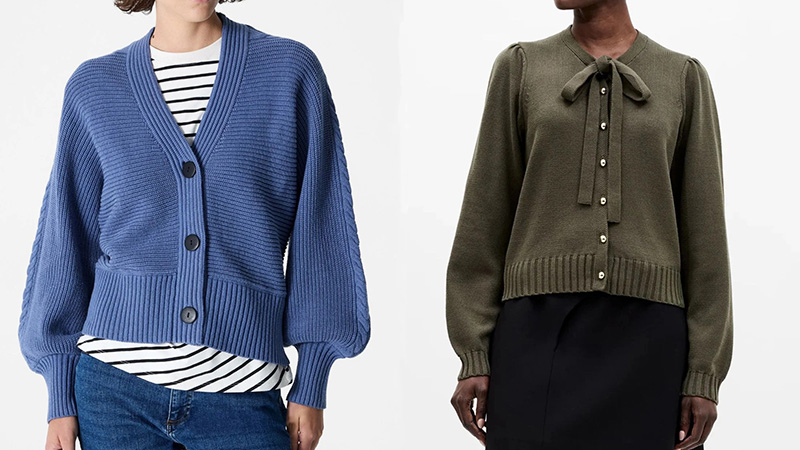
The cardigan is now a global knitwear staple, but its origin is more specific than many people realize. Today it appears in fashion basics, premium knitwear, schoolwear, casual layering, and menswear collections across many markets. Even so, the cardigan did not begin as a modern fashion product. It developed through military use, then moved into civilian wardrobes, and later evolved into one of the most flexible categories in knitwear manufacturing.
Cardigans are generally understood to come from Britain, with the name linked to the 7th Earl of Cardigan, James Brudenell. The garment became associated with a front-opening knitted layer inspired by military use, and over time it developed into a broader fashion and knitwear category used around the world.
At Fusionknits, understanding where cardigans come from is not only a historical detail. It also helps explain why the garment still matters today. The cardigan was built around practical layering, ease of movement, and adaptable construction. Those same qualities still shape cardigan development in modern manufacturing.
Why is the cardigan associated with Britain?
The cardigan is most commonly linked to British history because its name comes from a British title. This is the strongest starting point when discussing where the cardigan comes from in fashion language.
The cardigan is associated with Britain because the garment name is connected to the Earl of Cardigan, a British military figure. Over time, this name became attached to a front-opening knitted garment that reflected practicality, layering, and ease of wear.
From a garment-history perspective, the name matters because it gave the category a clear identity. Many knitwear products existed before modern retail systems, but not all of them became formalized category names in the same way. The cardigan did. Once the term entered wider fashion language, it began to define a specific type of knitwear rather than just a general warm layer.
At Fusionknits, category naming is always important because names shape how products are designed, sampled, merchandised, and sold. The cardigan is one of the clearest examples of a garment category whose history and naming remain closely connected.
Why Britain remains central to cardigan history
- The name comes from a British title
- The style has strong links to British dress history
- Early cardigan identity reflects practical layering
- The garment became established through British-influenced fashion language
Why origin still matters in product understanding
It explains the garment’s practical roots
The cardigan was never only decorative. It began with functional layering logic.
It clarifies the category
The cardigan became recognized as a defined front-opening knitwear type.
It supports product storytelling
Historical origin often strengthens how buyers and brands position classic knitwear.
A simple origin view
| Origin factor | Why it matters |
|---|---|
| British naming | Defines the term cardigan |
| Historical use | Explains practical garment role |
| Layering identity | Still shapes modern cardigan development |
That is why the cardigan is most strongly associated with Britain in apparel history.
Who was the Earl of Cardigan, and why is the garment named after him?
The connection between the garment and the Earl of Cardigan is one of the most recognized parts of cardigan history. His title gave the garment its name, even though the modern cardigan developed beyond any one exact military uniform form.
The cardigan is named after the 7th Earl of Cardigan, James Brudenell, a British military commander. The term became associated with a knitted front-opening garment connected to military-style practicality and layered warmth, and it later evolved into a broader fashion category.
From a product-history perspective, this naming pattern is not unusual. Many garments in fashion are linked to places, people, or military references. The cardigan followed that path. What began as a functional garment idea eventually entered wider dress culture and became a recognizable wardrobe piece.
At Fusionknits, this part of garment history matters because it explains why the cardigan has always carried a balance of structure and comfort. Even today, many cardigan styles still sit between refinement and utility.
Why the Earl of Cardigan matters in garment history
- His title became the garment name
- The name helped formalize the category
- The garment kept its practical identity even as fashion changed
- The association gave the cardigan a historical anchor
Why naming by title shaped the category
It made the garment memorable
A named category is easier to retain in fashion language.
It supported category distinction
The cardigan was no longer just “a knitted layer.” It became a named garment type.
It gave the product a story
That story still supports cardigan positioning today.
Name-history overview
| Historical point | Product meaning |
|---|---|
| Earl of Cardigan title | Source of the term |
| Military association | Root of practical layering logic |
| Fashion adoption | Expansion into general knitwear category |
That is why the cardigan’s name remains one of the clearest links between clothing history and modern garment terminology.
Did cardigans begin as military garments?
In a broad sense, yes. The cardigan’s early identity is often linked to military practicality, especially in the idea of a warm, front-opening garment worn for comfort and mobility.
Yes, the cardigan is widely associated with military-inspired origins because it developed from the idea of a front-opening knitted layer that could provide warmth without restricting movement. Even though modern cardigans differ from historical military garments, the cardigan’s practical structure reflects those early functional roots.
This matters because the cardigan was not originally built like a pure fashion statement. Its front opening, flexible knit structure, and layering convenience all reflect real functional logic. That practicality helped the garment survive beyond fashion cycles and move into broader civilian use.
At Fusionknits, the cardigan’s military-linked roots help explain why it remains so commercially stable. Garments that begin with function often adapt well over time because the original product logic stays relevant.
Military-style characteristics that shaped cardigan history
- Front opening for flexibility
- Layering ease
- Warmth without heavy rigidity
- Comfort during movement
- Practical day-to-day use
Why this practical root still matters
It explains the cardigan’s longevity
The product works well because it solves real wear needs.
It supports broad market use
A garment built around function adapts well into casual, office, and lifestyle wardrobes.
It keeps the cardigan commercially useful
The same practical design logic still works in modern knitwear.
Function-history guide
| Military-style trait | Modern cardigan result |
|---|---|
| Front opening | Easier layering |
| Knit flexibility | Better comfort |
| Light warmth | Broader seasonality |
| Practical wear logic | Long-term relevance |
That is why the cardigan’s origin is often understood through both naming history and military practicality.
How did cardigans move from military use into everyday fashion?
A garment usually becomes successful in fashion when it leaves its original function and proves useful in daily life. The cardigan followed that path very well because its structure was easy to adapt.
Cardigans moved from military-inspired practicality into everyday fashion because the front-opening knitwear format was comfortable, versatile, and easy to layer. As wardrobes evolved, the cardigan became useful in casualwear, homewear, academic dress, officewear, and later fashion-forward styling.
Once the cardigan entered civilian dress, it became easier to reinterpret. It could be softer, finer, longer, shorter, more decorative, or more minimal. That flexibility is one reason it spread so successfully across different countries and style systems.
At Fusionknits, this kind of transition matters because it explains why the cardigan is one of the most adaptable knitwear categories in modern product development.
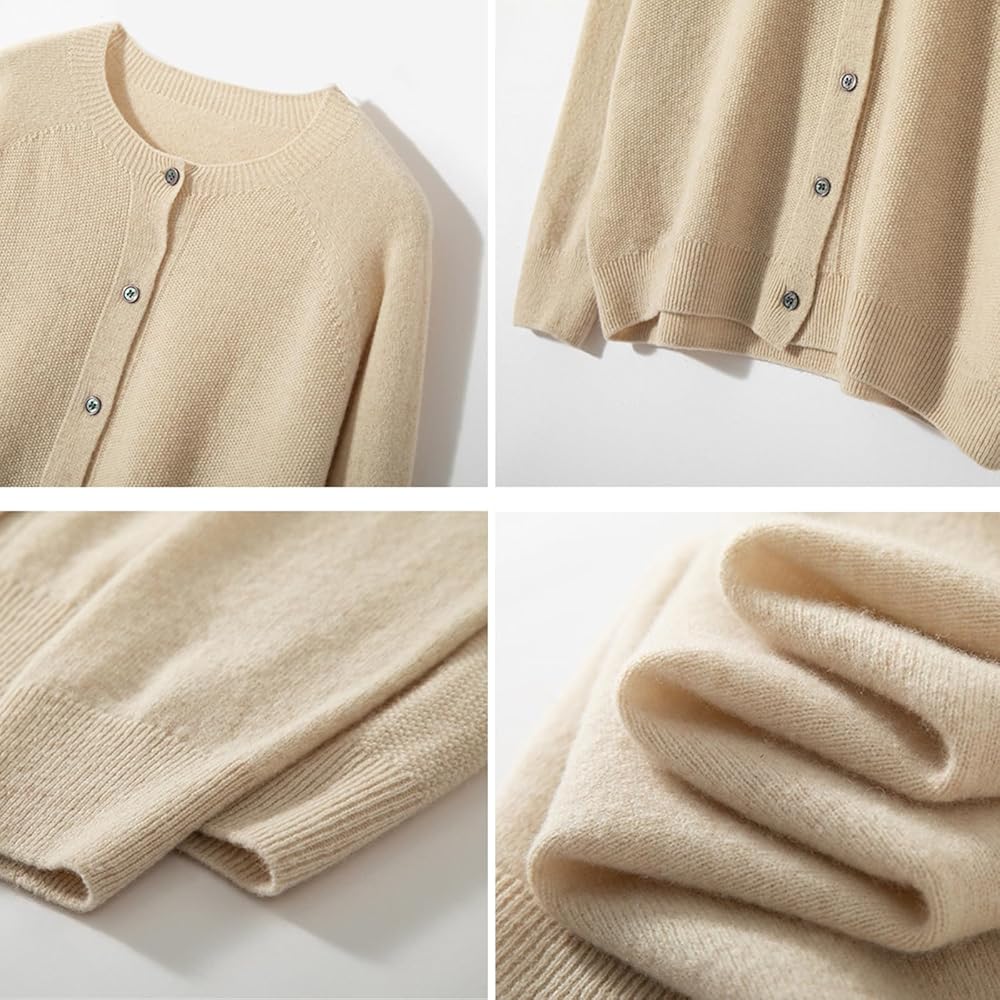
Why the cardigan adapted so well to everyday fashion
- It was easy to put on and remove
- It layered well over other garments
- It worked in different climates
- It could be developed in multiple yarn weights
- It fit both casual and refined wardrobes
What helped the cardigan grow beyond utility
Softer materials
As knitwear improved, the cardigan became more comfortable and more wearable.
More fashion interpretation
Designers could change length, texture, neckline, and trim details.
The cardigan fit into schools, offices, homes, and public daily wear.
Fashion-transition overview
| Development stage | Cardigan role |
|---|---|
| Military-linked practicality | Functional layer |
| Early civilian use | Comfortable daily knitwear |
| Wider fashion adoption | Flexible wardrobe staple |
| Modern manufacturing | Full knitwear category |
That is how the cardigan moved from practical origin to mainstream fashion relevance.
Were cardigans originally for men only?
Historically, the early cardigan idea is more strongly connected to men’s dress and military use, but the category did not remain limited to that market for long. Once the garment proved versatile, it expanded into broader fashion.
Cardigans were more strongly associated with men’s wear in their earlier historical identity, but they later became important in women’s fashion as well. Over time, the cardigan developed into a unisex and widely adaptable garment used across many wardrobe categories.
This pattern is very common in apparel history. A garment may begin in one market and later evolve beyond it because the structure itself is useful. That is exactly what happened with the cardigan. Once civilian use expanded, the garment moved into women’s knitwear, schoolwear, lifestyle fashion, and later trend-based styling.
At Fusionknits, this history helps explain why cardigan development today is so broad. The same base category now supports men’s, women’s, children’s, school, resort, premium, and winter knitwear programs.
How the cardigan expanded beyond men’s wear
- It proved easy to layer
- It adapted well to different fits
- It worked in many yarn weights
- It matched changing style preferences
- It moved easily between utility and fashion
Why the category became universal
The structure is simple and useful
A front-opening knitwear garment solves many wear needs.
The silhouette is flexible
It can become fitted, oversized, cropped, longline, or structured.
The category is easy to reinterpret
This allows it to move across demographics and markets.
Market-expansion overview
| Historical stage | Main cardigan market |
|---|---|
| Early origin period | More male-associated |
| Broader civilian adoption | Mixed everyday use |
| Modern fashion era | Fully expanded across markets |
That is why the cardigan should be understood as historically rooted in one area but commercially global in later development.
How did cardigans become a major knitwear category worldwide?
The cardigan spread internationally because it solved practical clothing needs while remaining easy to redesign. Few garments move so smoothly between basic use and style-driven use.

Cardigans became a major knitwear category worldwide because they are functional, seasonally flexible, and easy to adapt in fit, yarn, texture, and styling. Once the cardigan entered retail and global garment production, it evolved into one of the most stable and repeatable knitwear categories in the apparel industry.
Cardigans can be developed in cotton, wool, blends, fine gauge, chunky gauge, button fronts, zip fronts, and open-front silhouettes. This wide adaptability made the category especially valuable in international markets where climate, dress code, and style preference vary.
At Fusionknits, this global success is one of the reasons cardigans remain so important in knitwear manufacturing. They offer broad market reach without losing category clarity.
Why cardigans spread so well globally
- They fit many climates
- They support both fashion and function
- They work in men’s and women’s markets
- They can be premium or commercial
- They are easy to style with existing wardrobes
Why the cardigan remains internationally strong
It adapts to local market needs
Different regions can adjust weight, fit, and yarn direction.
It fits multiple retail levels
The same category can exist in entry-level or luxury collections.
It supports repeat orders
Strong cardigan categories often return season after season.
Global-category guide
| Product strength | Why it supports global success |
|---|---|
| Layering value | Useful in many wardrobes |
| Fit flexibility | Adaptable across markets |
| Yarn variety | Works in many seasons |
| Stable category identity | Easy to merchandise worldwide |
That is how the cardigan became a global knitwear standard rather than staying a narrow historical garment.
Where are cardigans made today?
While the cardigan’s origin is linked to Britain, modern cardigan manufacturing is global. Today, cardigans are produced in many countries depending on fiber sourcing, knitting capacity, labor systems, and market demand.
Today, cardigans are made in many parts of the world, including major knitwear production regions in Asia and other global apparel manufacturing hubs. The garment’s historical origin is British, but its manufacturing footprint is now international because cardigan development relies on modern global textile and knitwear supply chains.
From a production standpoint, cardigan manufacturing depends on yarn access, flat knitting capability, linking skill, finishing discipline, and quality control. Countries with strong knitwear infrastructure have become important cardigan suppliers even though they are not the original historical source of the garment concept.
At Fusionknits, this distinction is very important: garment origin and garment manufacturing location are not the same thing. A cardigan may come from British dress history, but the actual garment a buyer sources today is likely developed through a modern international supply chain.
Why cardigan manufacturing is global now
- Knitwear production systems are international
- Yarn sourcing is global
- Brands work across many markets
- Different factories specialize in different knitwear levels
- Seasonal demand supports large-scale distributed supply
Why origin and production should not be confused
Historical origin is about category history
It explains where the cardigan comes from as a garment idea.
Manufacturing location is about supply chain
It explains where the garment is actually produced now.
Both matter in product communication
One supports story. The other supports sourcing.
Origin versus manufacturing view
| Question | Strongest answer type |
|---|---|
| Where did cardigans come from? | Britain and historical dress context |
| Where are cardigans made now? | Global knitwear manufacturing regions |
That is why cardigan origin and cardigan production should always be treated as related but separate ideas.
Why does cardigan origin still matter to modern buyers and brands?
Some may think cardigan history is only a background detail, but in reality, origin stories help strengthen category understanding, product identity, and brand storytelling.
Cardigan origin still matters because it explains why the garment is built the way it is. Its practical British-rooted history supports the cardigan’s long-standing identity as a flexible front-opening knitwear layer, and that background still adds value in design, merchandising, and communication.
A buyer who understands cardigan origin also understands its functional roots more clearly. That often leads to better product decisions. Instead of treating the cardigan as just another fashion shape, the buyer sees it as a category built on layering, comfort, and adaptability. That tends to create stronger collections.
At Fusionknits, product history is useful because it connects garment storytelling with development logic. The cardigan’s origin is not only about the past. It still explains the product’s strength today.
Why origin still has value
- It strengthens category identity
- It supports brand storytelling
- It clarifies function-led design
- It helps explain long-term relevance
- It gives the product more depth in communication
Why brands should care about this background
Better stories create stronger positioning
Customers often respond well to garments with clear heritage.
Category understanding improves development
The original function often reveals the best modern use.
Historical logic supports modern clarity
A cardigan still performs because its original structure made sense.
Brand-value overview
| Origin value | Modern business benefit |
|---|---|
| Historical depth | Stronger storytelling |
| Practical roots | Better design logic |
| Clear category identity | Better merchandising |
That is why cardigan origin remains relevant even in contemporary knitwear manufacturing.
Conclusion
Cardigans are generally understood to come from Britain, with the name linked to the 7th Earl of Cardigan and the garment’s identity shaped by practical, military-inspired layering. Over time, the cardigan moved from a functional front-opening knitwear layer into everyday civilian dress and then into a major global fashion and knitwear category. Its history explains why the cardigan remains so adaptable: it was built around warmth, comfort, movement, and easy layering from the beginning.
At Fusionknits, cardigan origin is more than a historical reference. It helps explain the product logic that still drives cardigan success today. Although modern cardigans are manufactured globally through international knitwear supply chains, the garment’s British-rooted category history continues to shape how it is understood, developed, and merchandised.
When buyers understand where the cardigan comes from, they understand not only its story, but also why it continues to work so well in modern collections.