Joggers are one of the most flexible products in modern casualwear, but color selection changes their commercial value more than many buyers expect. The same jogger silhouette can feel premium, sporty, basic, or trend-driven depending on color. A strong fabric and fit can still underperform if the shade is too limited in styling, too difficult to maintain, or too narrow for the target market.
The best color joggers are usually black, heather gray, charcoal, navy, olive, and other controlled neutral tones because they are easy to style, commercially stable, and suitable across casualwear, athleisure, travelwear, and premium basics. The best single color depends on the product goal, but in broad market terms, black is often the strongest overall choice for versatility and long-term demand.
At Fusionknits, jogger color is never treated as a final decoration only. It is part of product planning. Color affects styling ease, market acceptance, stain visibility, seasonality, and even how premium the jogger feels on the shelf. That is why choosing the best color is not only a fashion question. It is also a manufacturing and merchandising question.
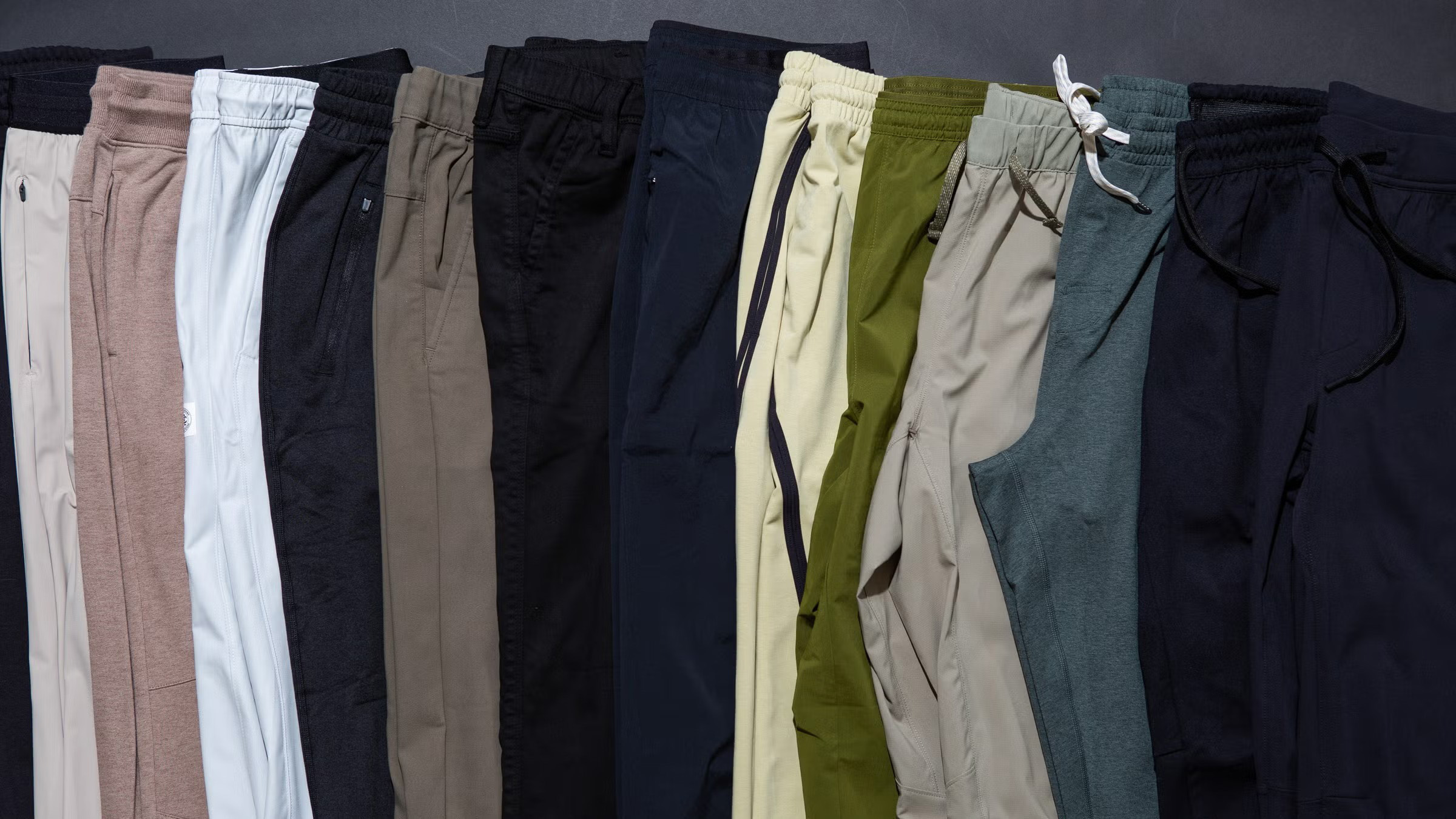
Why does jogger color matter so much in product success?
Color is one of the first things customers notice, but it also affects how often the jogger gets worn after purchase. A good jogger color should work easily with existing wardrobes, especially with T-shirts, hoodies, sweatshirts, jackets, and sneakers.
Jogger color matters because it shapes versatility, styling ease, customer confidence, and repeat wear. A strong color makes the jogger easier to match with common wardrobe pieces, while a weaker color may reduce outfit options and lower the garment’s long-term use value.
From a product development perspective, the best jogger colors usually support daily use rather than only visual impact. Joggers are not occasional garments in most wardrobes. They are repeat-use products. That means the color should survive frequent styling without feeling too difficult or too narrow.
At Fusionknits, the best jogger colors are usually the ones that support both commercial scale and easy daily use. A color that looks interesting in isolation but limits wardrobe flexibility often performs less strongly than a more dependable neutral.
Why color changes jogger value
- It affects how easy the jogger is to style
- It changes how casual or premium the product feels
- It influences how often the customer rewears it
- It changes seasonality and market relevance
- It affects stain visibility and care perception
Why this matters for brands
Joggers are high-repeat garments
Customers usually expect to wear them often, so color flexibility matters more.
Color changes category position
The same jogger in black can feel more premium than in a loud novelty shade.
The best sellers are often the easiest colors
Commercial strength usually comes from repeat styling value.
A simple product-color view
| Color factor | Effect on joggers |
|---|---|
| Easy-to-style shade | Higher repeat wear |
| Strong neutral tone | Broader market appeal |
| Difficult fashion color | Lower long-term versatility |
| Controlled dark shade | Stronger premium perception |
That is why jogger color has a direct effect on both customer satisfaction and sell-through performance.
Is black the best color for joggers?
In broad commercial terms, black is often the strongest overall answer. It is one of the safest and most versatile colors in the jogger category because it works across many styling directions and market levels.

Yes, black is often the best color for joggers because it is versatile, easy to style, visually slimming, broadly accepted across markets, and suitable for casualwear, travelwear, athleisure, and premium essentials. Black joggers also tend to look cleaner and more structured than many lighter shades.
Black performs strongly because it works with white, gray, earth tones, navy, olive, and most sneaker categories. It also moves well across different jogger identities. A black fleece jogger feels practical. A black technical jogger feels modern. A black premium ponte jogger can feel more refined than the same garment in a lighter color.
At Fusionknits, black remains one of the most important foundation colors in jogger development because it supports both styling ease and product consistency.
Why black joggers perform so well
- Easy to match with many tops
- Strong premium and minimal appearance
- Lower visual complexity
- Good in streetwear and travelwear
- Broad acceptance across age groups
Why black is often the safest base color
It supports multiple categories
Black works in lounge, active, premium, and urban casualwear.
It hides minor wear better
This can improve long-term customer satisfaction.
It keeps the silhouette clear
The jogger often looks cleaner and more focused.
Black jogger guide
| Strength | Result |
|---|---|
| High versatility | More outfit options |
| Cleaner appearance | Better premium feel |
| Lower styling risk | Stronger broad demand |
That is why black is often considered the strongest overall jogger color.
Are gray joggers better for casual comfort and broad appeal?
Yes. Gray is one of the most classic jogger colors because it carries a softer, more relaxed sportswear identity. In many casualwear markets, it is just as essential as black.
Yes, gray joggers are often better for relaxed casual styling because they feel soft, approachable, and strongly connected to classic sportswear. Heather gray and charcoal are especially popular because they balance versatility with a more comfort-led appearance than black.
Heather gray became strongly associated with sweatpants and athletic basics because it feels natural in fleece and French terry fabrics. Charcoal creates a slightly more elevated and cleaner version of the same comfort story. Lighter grays can feel very soft and easy, but darker grays usually perform better in broad-market use because they show less visible wear.
At Fusionknits, gray remains one of the core jogger color families because it supports comfort messaging very clearly while still offering strong outfit flexibility.
Why gray joggers are so popular
- Strong sportswear identity
- Soft visual feel
- Easy pairing with white, black, navy, and earth tones
- Broad acceptance in lounge and athleisure categories
- Good performance in fleece and terry
Which gray tones work best
Heather gray
Classic and strongly linked to relaxed sportswear.
Charcoal gray
Cleaner and slightly more premium in appearance.
Mid gray
Broadly wearable, but depends on fabric and finishing.
Gray jogger guide
| Gray direction | Best effect |
|---|---|
| Heather gray | Soft casual comfort |
| Charcoal | Cleaner and more refined |
| Mid gray | Broad everyday use |
That is why gray joggers remain one of the strongest choices for easy, repeatable casual styling.
Yes. Navy is often less obvious than black or gray, but it is one of the strongest stable alternatives when the product needs a cleaner but still wearable look.
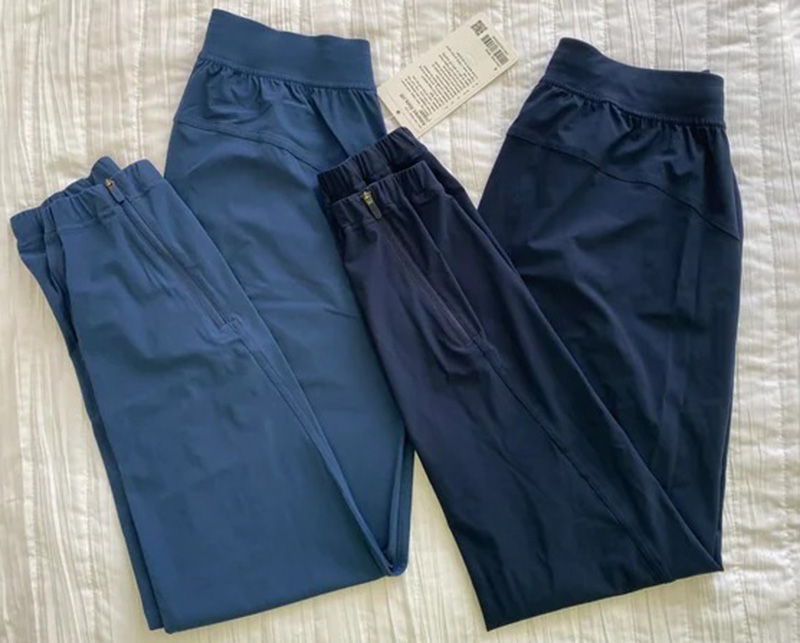
Yes, navy is one of the best underrated jogger colors because it offers versatility similar to black while feeling slightly softer, more classic, and sometimes more refined. Navy joggers work especially well in premium casualwear, travelwear, and cleaner everyday styling.
Navy performs well because it stays inside the neutral family while adding more visual depth than gray. It also pairs well with white, cream, tan, burgundy, light blue, and many sneakers. In some markets, navy can even feel more premium than black because it looks less harsh and more elevated.
At Fusionknits, navy is often one of the best second-core colors in jogger collections because it widens the range without creating high styling risk.
- Strong neutral flexibility
- Softer than black
- Cleaner than many fashion colors
- Good for premium essentials
- Strong with white, gray, and earth-tone tops
It balances casual and refined use
Navy joggers can feel sporty or elevated depending on the fabric.
It supports broader wardrobe pairing
The color works well across seasons and product categories.
It adds depth without being loud
This is valuable in premium casualwear.
| Strength | Product result |
|---|---|
| Rich neutral tone | Better styling flexibility |
| Softer visual depth | More refined than black in some cases |
| Broad pairing value | Higher repeat use |
That is why navy is one of the strongest overlooked jogger colors in modern collections.
Are olive and earth tones good colors for joggers?
Yes, especially when the market wants a more lifestyle-driven, masculine, outdoor, or utility-inspired look. Olive is one of the strongest alternatives outside the standard black-gray-navy core.
Yes, olive and other controlled earth tones are good colors for joggers because they feel modern, grounded, and easy to style without becoming too fashion-limited. Olive, taupe, brown, and muted khaki can all work well when the jogger is positioned in lifestyle casualwear, utility styling, or more seasonal collections.
Olive is especially strong because it behaves almost like a neutral in many wardrobes. It works with black, cream, white, gray, brown, and many sneaker colors. Earth tones in general can make joggers feel more mature and more intentional compared with brighter fashion shades.
At Fusionknits, olive is often one of the most useful expansion colors after the main neutrals are secured.
Why olive and earth tones work well
- Strong casualwear relevance
- Easy to pair with neutrals
- Good in utility and outdoor-inspired styles
- Softer and richer than bright colors
- Strong autumn and year-round potential
Which earth tones are strongest
Olive
The most commercially stable non-core jogger tone.
Taupe
Good in premium and minimalist collections.
Brown
Useful in mature casualwear and seasonal assortments.
Earth-tone guide
| Color | Best jogger role |
|---|---|
| Olive | Lifestyle and utility jogger |
| Taupe | Premium minimal jogger |
| Brown | Seasonal casual jogger |
| Khaki | Soft relaxed jogger |
That is why olive and controlled earth tones are some of the best expansion colors after the core neutrals.
Some jogger colors immediately look more refined because they reduce visual noise and support cleaner silhouettes. The premium effect is not only about darkness, but also about color control and fabric finish.

The best jogger colors for premium-looking outfits are usually black, charcoal, navy, deep olive, taupe, and other controlled muted tones. These colors work especially well in smoother fabrics, better knits, and more structured jogger silhouettes because they help the garment look cleaner and more elevated.
A premium jogger usually benefits from a color that allows the fabric, cut, and finishing to carry the value. Loud or overly bright colors often shift the product toward trend or youth casualwear. Controlled neutrals make the jogger look more considered and more compatible with knitwear, coats, and refined sneakers.
At Fusionknits, premium jogger color planning usually begins with clean low-noise shades that support silhouette and fabric quality.
- Black
- Charcoal
- Navy
- Deep olive
- Taupe
- Soft stone in selected categories
Why these shades feel more elevated
They reduce visual distraction
The jogger looks cleaner and more composed.
They highlight the construction
Better seams, fabric, and taper become more visible.
They pair well with refined casualwear
Premium joggers should integrate easily with better basics and outerwear.
Premium-color guide
| Color | Premium effect |
|---|---|
| Black | Sharp and minimal |
| Charcoal | Refined and balanced |
| Navy | Soft premium depth |
| Taupe | Quiet luxury direction |
| Deep olive | Relaxed but elevated |
That is why premium joggers usually succeed in controlled, muted color families.
Are lighter jogger colors practical or harder to wear?
They can be attractive, but they usually require more control in styling, fabric choice, and care. Lighter shades can look fresh and premium, but they are often less forgiving in daily use.
Lighter jogger colors such as light gray, cream, stone, off-white, and pale beige can look stylish and premium, but they are usually harder to wear because they show stains, dirt, and fabric imperfections more easily. They work best when the jogger is made in a cleaner fabric and positioned for more controlled casualwear.
Light colors can perform very well in premium spring collections, resort-driven casualwear, or minimalist fashion programs. But they are not usually the safest broad-market core colors because customers may worry about maintenance and repeat wear.
At Fusionknits, lighter jogger colors are often developed after the darker core colors are secured, especially when the collection needs freshness or visual expansion.
Why lighter joggers can still work
- Fresh visual appeal
- Premium minimalist styling
- Strong spring and summer relevance
- Good with tonal outfits
Why they are harder to manage
They show stains and dirt more easily
This lowers practical confidence for some customers.
Fabric quality becomes more visible
Weak surface finish is harder to hide in pale tones.
Styling range can narrow
Not every customer feels comfortable with light-bottom casualwear.
Light-color guide
| Light shade | Main challenge |
|---|---|
| Cream | Higher maintenance visibility |
| Stone | Fabric finish must be strong |
| Light gray | Less forgiving than charcoal |
| Beige | More styling-dependent |
That is why lighter joggers can be beautiful, but they usually work best as expansion colors rather than as universal core colors.
Which jogger colors should brands choose for the strongest sell-through?
For most brands, the strongest answer is not one color only. It is a color strategy built around dependable core shades and a few well-selected expansion colors.
Brands should usually choose black, heather gray, charcoal, and navy as core jogger colors, then add olive, taupe, brown, or seasonal muted shades as expansion colors. This kind of color strategy usually gives the best sell-through because it combines broad demand with enough variety to keep the range visually interesting.
From a product development point of view, core colors should carry the largest volume because they support the widest customer base. Expansion colors should add freshness without confusing the category. Bright fashion colors can still have a role, but they should not replace the strong neutral base if the goal is broad commercial success.
At Fusionknits, jogger color planning works best when it begins with real wardrobe compatibility rather than with novelty.
Strong core jogger colors
- Black
- Heather gray
- Charcoal
- Navy
Strong expansion colors
Olive
A reliable non-core bestseller in many markets.
Taupe
Strong in premium minimal collections.
Brown or muted seasonal tones
Useful for broader assortment depth.
Sell-through guide
| Color role | Best options |
|---|---|
| Core volume colors | Black, gray, navy |
| Expansion colors | Olive, taupe, brown |
| Fashion accents | Controlled and limited |
That is why the best color strategy is usually built on stability first and variation second.
How should buyers decide which jogger color is best for their collection?
The best answer depends on market, category role, and styling direction. A travel jogger, a fleece lounge jogger, and a premium ponte jogger should not always use exactly the same color logic.
Buyers should decide the best jogger color by matching it to the product’s purpose, fabric identity, customer styling habits, and market position. Black usually leads for broad versatility, gray leads for classic comfortwear appeal, navy leads for clean premium casualwear, and olive often leads for expansion outside the neutral core.
At Fusionknits, the best jogger color decisions usually begin with simple questions: How will the customer wear this jogger? With what tops? In what season? In what fabric? When those answers are clear, the color becomes much easier to choose correctly.
Better buyer questions
- Is the jogger a core basic or a seasonal style?
- Is the category lounge, premium, active, or travel?
- Does the fabric look better in dark or soft neutral tones?
- Will the customer want easy repeat styling?
- Does the color support the target market’s comfort level?
Why this approach works
It improves collection clarity
The jogger feels more intentional.
It increases repeat wear value
Customers are more likely to buy colors they can style easily.
It strengthens commercial balance
The collection carries both stability and variety.
Buyer color guide
| Product type | Strongest color direction |
|---|---|
| Core casual jogger | Black or gray |
| Premium jogger | Charcoal, navy, taupe |
| Utility-inspired jogger | Olive |
| Soft lounge jogger | Heather gray or muted tones |
That is how buyers can choose jogger colors more accurately and more profitably.
Conclusion
The best color joggers are usually black, heather gray, charcoal, navy, and olive because these shades combine versatility, strong styling value, and broad commercial appeal. Black is often the strongest overall choice because it feels clean, easy, and premium across many categories. Gray remains one of the best comfort-led sportswear colors. Navy works especially well in refined casualwear, and olive is one of the best expansion colors beyond the core neutral family. Lighter shades can also work, but they usually require more styling confidence and stronger fabric execution.
At Fusionknits, the best jogger color is never chosen by trend alone. It is chosen by how well it supports the fabric, the fit, the category role, and the customer’s real wardrobe.
When brands build jogger color assortments around easy wearability first, they create products that are easier to style, easier to sell, and stronger in long-term category performance.