Joggers are one of the most flexible bottoms in modern apparel, but fit is also one of the most misunderstood parts of the category. Many buyers and consumers ask whether joggers should feel tight or loose, as if there is one universal answer. In real product development, the better answer depends on purpose, fabric, silhouette, and use. A jogger made for running should not fit the same way as a fleece lounge jogger or a premium casual streetwear jogger.
Joggers should usually fit neither too tight nor too loose. The best jogger fit is normally relaxed or regular through the seat and thigh, with a more controlled taper from the knee down. A tight jogger can feel restrictive and less natural in motion, while a very loose jogger can lose shape and look less intentional. Good joggers usually balance comfort, mobility, and silhouette.
At Fusionknits, jogger fit is treated as a product engineering issue rather than a trend question only. The right fit must support movement, daily comfort, fabric behavior, and the intended market position. A jogger only performs well when the fit matches the fabric and the product role from the beginning.
Why is jogger fit more important than many people think?
A jogger can have strong fabric and good finishing, but if the fit is wrong, the garment will still fail in real wear. Joggers are high-movement products. People sit, walk, bend, commute, travel, and rest in them. That makes fit more noticeable than in many lower-movement categories.
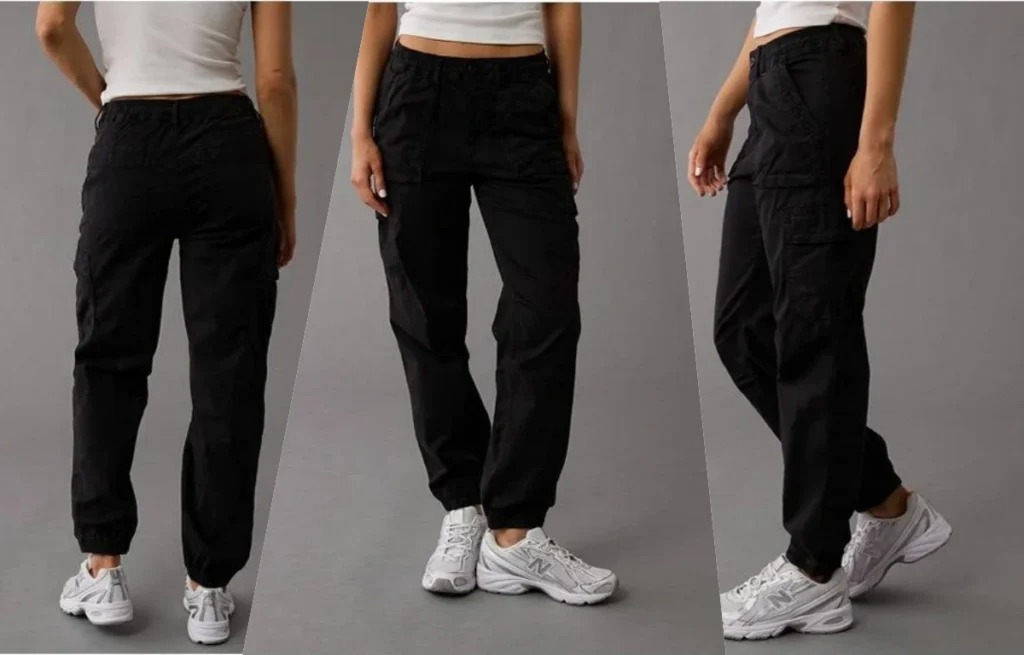
Jogger fit is especially important because it affects comfort, movement, visual balance, and long-term wear performance. If the jogger is too tight, it can pull at the thigh, knee, or seat. If it is too loose, it can look bulky, feel heavy, and lose the clean silhouette that makes joggers more wearable than standard sweatpants.
From a manufacturing perspective, fit controls how the fabric behaves under stress. Tightness increases strain. Too much looseness increases collapse, fabric drag, and volume imbalance. Joggers sit in a category where comfort and silhouette need to work together, so fit becomes one of the strongest quality signals.
At Fusionknits, jogger fit is always reviewed through movement as well as appearance. A product that looks right standing still but feels wrong while walking or sitting is not a fully successful jogger.
Why fit changes the whole jogger experience
- It affects freedom of movement
- It changes visual proportion
- It influences comfort at the waistband and thigh
- It affects knee shape during wear
- It changes whether the jogger feels sporty, casual, or premium
- It impacts long-term recovery and silhouette stability
Why this matters in development
Joggers are worn for long periods
A fit issue becomes obvious quickly in repeated daily use.
The category depends on balance
Joggers should look cleaner than sweatpants but feel softer than structured trousers.
The lower leg matters more than in many pants
Cuff area and taper shape strongly affect the final result.
A simple fit view
| Fit issue | Common result |
|---|---|
| Too tight | Restriction and visible strain |
| Too loose | Bulk and weaker silhouette |
| Balanced fit | Better comfort and cleaner shape |
That is why jogger fit should never be treated as a small detail.
Should joggers be tight at the waist?
The waistband should feel secure, but security is not the same as tightness. This is one of the most common areas where a jogger can fail. A waistband that feels too tight will reduce comfort even if the rest of the garment is well developed.

Joggers should not be tight at the waist. They should fit securely and stay in place without digging into the body, creating pressure, or limiting comfort during sitting and movement. A good jogger waistband should feel stable, flexible, and easy to wear for long periods.
A waistband that over-compresses often gives the wrong impression of fit control. Instead of making the garment feel more premium, it usually makes it feel tiring. A good waistband spreads pressure evenly and works with the body rather than against it. Elastic quality, width, recovery, and drawcord construction all matter here.
At Fusionknits, waistband comfort is one of the first things checked in jogger fit approval because even small mistakes here reduce the full product value very quickly.
What a good waistband should do
- Hold the jogger in place
- Feel flexible during movement
- Avoid concentrated pressure
- Recover shape after wear
- Support sitting and bending comfortably
What makes a waistband feel too tight
Narrow elastic
Pressure feels sharper and more noticeable.
Excess compression
The waistband stays secure, but comfort drops too much.
Poor recovery balance
The waistband either over-grips or loosens too easily.
Waistband guide
| Waistband feel | Fit quality |
|---|---|
| Too tight | Lower comfort |
| Too loose | Lower stability |
| Secure but flexible | Best balance |
That is why joggers should be secure at the waist, but never aggressively tight.
Should joggers be loose through the thigh?
In most cases, yes. The thigh is one of the most important fit zones in joggers because this area handles walking, sitting, bending, and general daily movement. If the thigh fit is wrong, the garment usually feels wrong immediately.
Joggers should usually be loose enough through the thigh to allow easy movement without strain. They do not need to be oversized, but they should have enough ease to avoid pulling, clinging, or restricting the leg during daily wear. A slight relaxed fit through the thigh is usually better than a tight one.
The thigh should feel natural, not inflated. A balanced jogger fit often means the upper leg has more room than the lower leg. This difference is what helps the jogger keep both comfort and shape at the same time. If the thigh is cut too narrowly, the product may start to behave more like a compression pant than a jogger.
At Fusionknits, thigh ease is considered essential because this is where movement comfort begins. The jogger should support motion here without looking oversized.
Why thigh ease matters so much
- It supports walking and bending
- It reduces visible strain lines
- It improves comfort in seated positions
- It helps the jogger drape better
- It creates a more natural upper-leg silhouette
What happens when the thigh is too tight
More stress on seams
The garment faces greater strain during movement.
Less natural comfort
The customer feels resistance more quickly.
Weaker visual balance
A tight thigh with a tapered cuff can look over-controlled.
Thigh-fit guide
| Thigh fit | Product effect |
|---|---|
| Tight | More restriction |
| Slightly relaxed | Better mobility |
| Overly loose | Less clean silhouette |
That is why good joggers are usually not tight through the thigh. They are controlled but easy.
Should joggers taper below the knee?
Yes, in most classic jogger categories, taper is one of the core fit features that separates joggers from broader sweatpants or lounge trousers. The lower-leg shape is one of the clearest visual signals in the category.
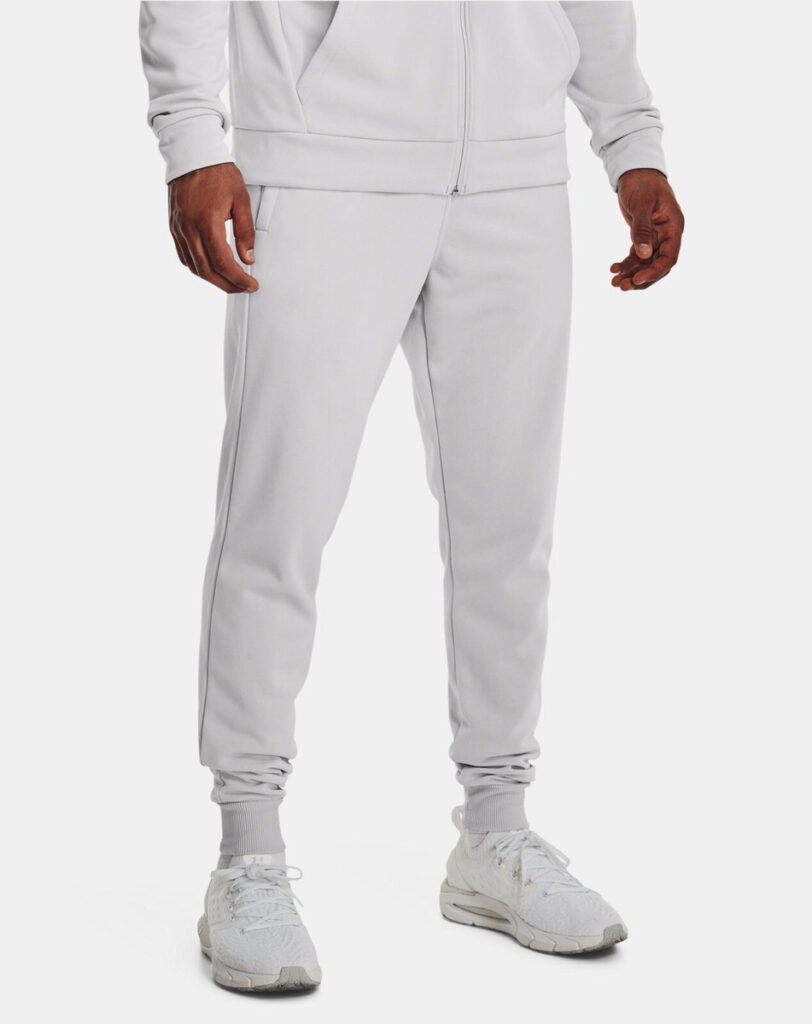
Yes, joggers should usually taper below the knee because this creates the cleaner silhouette that defines the category. The taper should be controlled rather than extreme. It should guide the shape of the lower leg without becoming tight, clingy, or restrictive around the calf and ankle.
The taper matters because it keeps the jogger visually stable and easier to style with sneakers and casual footwear. Without enough taper, the garment often starts to feel more like a generic sweatpant. With too much taper, it starts to feel restrictive and may lose the comfort identity customers expect.
At Fusionknits, taper is always matched to fabric and product use. A performance jogger may allow a cleaner taper. A fleece comfort jogger often needs slightly more lower-leg ease.
Why taper improves jogger fit
- It creates a cleaner silhouette
- It reduces excess lower-leg fabric
- It works better with sneakers
- It keeps the category distinct from loose sweatpants
- It improves modern casual styling
Why taper still needs control
Too much taper can reduce comfort
Calf and ankle pressure increases too easily.
Fabric type changes the result
A rigid fabric needs more ease than a highly stretchable one.
Product use matters
A lounge jogger and a running jogger may need different taper logic.
Taper guide
| Lower-leg shape | Typical result |
|---|---|
| No taper | More like standard sweatpants |
| Balanced taper | Strongest jogger fit |
| Extreme taper | More restrictive and less versatile |
That is why joggers usually benefit from taper, but not from excessive tightness below the knee.
Are slim joggers better than relaxed joggers?
Neither fit is automatically better. The stronger answer depends on what the jogger is made for. A slim jogger can look cleaner, while a relaxed jogger can feel easier. The best product depends on how those strengths are used.
Slim joggers are better when the goal is a cleaner, sharper, or more modern silhouette, especially in performance and premium casualwear. Relaxed joggers are better when the goal is softer comfort, broader movement ease, and more casual or lounge-focused styling. The better choice depends on category purpose, not on one fixed rule.
Slim joggers often work best in stretch fabrics with strong recovery. Relaxed joggers often work best in French terry, fleece, and comfort-led everyday fabrics. Problems usually begin when the wrong fabric is paired with the wrong fit. A stiff slim jogger often feels uncomfortable. A very loose technical jogger may lose category clarity.
At Fusionknits, fit is always tied to product purpose first. The jogger should look like the role it is meant to perform.
When slim joggers work best
- Premium casualwear
- Technical activewear
- Travelwear
- Cleaner streetwear silhouettes
- Stretch-support fabric categories
When relaxed joggers work best
Lounge and recovery use
The customer expects softness and lower structure.
Everyday comfort-driven casualwear
Movement ease matters more than a sharp silhouette.
Fleece and soft-terry categories
These fabrics often support more volume naturally.
Slim versus relaxed guide
| Jogger fit | Best use |
|---|---|
| Slim | Cleaner and more technical |
| Regular | Strong all-around balance |
| Relaxed | Softer and more comfort-led |
That is why slim and relaxed joggers both have value. The better choice depends on the intended product story.
Should performance joggers fit tighter than lounge joggers?
In many cases, yes. Performance joggers usually need more control in the leg and lower body because they are built for motion, training, or faster-paced activity. Lounge joggers usually prioritize softness and ease over athletic control.

Yes, performance joggers usually fit slightly tighter than lounge joggers, especially below the thigh, because they are designed for more active movement and cleaner body control. Lounge joggers should usually fit looser because their main purpose is comfort, softness, and relaxed wear rather than athletic performance.
This difference is important because customers often expect all joggers to follow the same fit logic, but the use case changes everything. A running jogger that is too loose can feel unstable. A lounge jogger that is too tight can feel tiring and unnecessary.
At Fusionknits, performance and lounge joggers are developed with different fit priorities because comfort is not identical across all use categories.
Typical performance jogger fit traits
- More controlled lower leg
- Cleaner taper
- Stronger fabric recovery
- Less fabric drag during movement
- More precise shape through the calf and ankle
Typical lounge jogger fit traits
More relaxed seat and thigh
This supports rest and low-stress wear.
Softer silhouette
The jogger should feel easy rather than technical.
Lower pressure overall
The product should not feel performance-led at rest.
Category-fit overview
| Jogger category | Better fit direction |
|---|---|
| Performance jogger | Slightly slimmer and more controlled |
| Travel jogger | Regular with light taper |
| Lounge jogger | Relaxed and softer |
| Casual everyday jogger | Regular to slightly relaxed |
That is why performance joggers often fit a bit tighter than lounge joggers, but both still need balance.
How loose is too loose for joggers?
There is a point where comfort turns into visual heaviness or fit confusion. Joggers are not meant to behave exactly like oversized sweatpants or unstructured lounge bottoms. Too much looseness can weaken the category.
Joggers are too loose when the seat, thigh, or lower leg carry so much excess volume that the garment loses shape, drags visually, or no longer feels controlled at the ankle. A jogger should have enough room for comfort, but still keep a clear silhouette and stable lower-leg line.
Too much looseness often creates problems in proportion, especially below the knee. The garment can start to feel sloppy, heavier than it should, or disconnected from modern jogger styling. It may also reduce perceived quality if the fabric collapses or bunches too much.
At Fusionknits, the question is not whether looseness is allowed. It is whether the volume still feels intentional and structurally controlled.
Signs that joggers are too loose
- Excess bunching through the lower leg
- Weak visual line below the knee
- Seat volume that looks unstructured
- Fabric drag around the ankle
- Too much movement in the hem area
Why too much looseness weakens the product
It blurs the category
The garment starts to look more like generic sweatpants.
It reduces polish
Even comfort products need a clear shape.
It may affect movement negatively
Too much fabric can still feel heavy or distracting.
Loose-fit guide
| Loose level | Product effect |
|---|---|
| Controlled relaxed fit | Strong comfort and shape |
| Very loose fit | Weaker jogger clarity |
| Oversized without control | Less commercial balance |
That is why joggers can be relaxed, but they still need visual discipline.
How tight is too tight for joggers?
Tightness usually becomes a problem when the garment starts pulling visibly, restricting movement, or losing the relaxed identity that defines the jogger category. A jogger should never feel like a compression product unless it was specifically designed for that role.
Joggers are too tight when they pull at the seat, cling across the thigh, strain at the knee, or grip the calf and ankle too aggressively. A jogger should feel shaped, but not compressed. If the garment looks tense or feels restrictive, the fit has usually moved too far toward tightness.
The most common fit failures happen at the upper thigh, rise, and calf. These areas reveal whether the jogger still supports movement naturally. A customer may tolerate a slightly slim silhouette, but once physical comfort drops, the product usually loses repeat-wear value.
At Fusionknits, tightness is always evaluated through motion, not only standing fit. Joggers that feel acceptable while standing can still fail badly while sitting or walking.
Signs that joggers are too tight
- Horizontal pulling lines
- Waistband pressure that feels concentrated
- Thigh cling during movement
- Knee restriction while sitting
- Over-tight cuff or calf compression
Why over-tight joggers underperform
They reduce comfort immediately
The customer notices physical pressure very quickly.
They weaken silhouette quality
Visible strain usually lowers perceived fit quality.
They limit category use
The garment becomes less useful for travel, rest, or all-day wear.
Tight-fit guide
| Tightness level | Product effect |
|---|---|
| Controlled slim | Can work well in performance or premium use |
| Over-tight | Lower comfort and weaker category fit |
| Compression-like | Not a standard jogger feel |
That is why joggers should feel controlled, but never tense.
What is the best overall fit for most men’s joggers?
Across most categories, the strongest answer is usually a balanced regular fit. This is the fit direction that tends to satisfy the highest number of customers because it supports both comfort and shape.
The best overall fit for most men’s joggers is usually regular or slightly relaxed through the seat and thigh, with a controlled taper from the knee to the ankle. This fit gives enough comfort for daily wear while keeping the lower leg clean enough for modern casual styling.
This fit works because it protects the core strengths of the category. It is not too narrow to wear comfortably, and not too loose to lose shape. It also adapts well across many fabrics, including terry, fleece, cotton blends, and performance knits.
At Fusionknits, this balanced fit is often the strongest starting block in jogger development because it gives the broadest commercial flexibility.
Why regular-relaxed with taper works so well
- Comfortable through the upper leg
- Easy in daily movement
- Cleaner below the knee
- Works across multiple product categories
- Easy to style with sneakers and casual tops
Why this fit remains commercially strong
It fits the widest customer range
Most men want ease without too much bulk.
It supports repeat wear
Comfort and styling balance make the garment easier to use often.
It protects category clarity
The jogger still looks like a jogger, not like lounge pants or compression wear.
Best-fit overview
| Fit area | Best general direction |
|---|---|
| Waist | Secure but flexible |
| Seat | Comfortable and natural |
| Thigh | Slightly relaxed |
| Knee to ankle | Controlled taper |
That is why the best overall men’s jogger fit is usually balanced rather than extreme.
How should brands decide whether their joggers should fit tight or loose?
The strongest brands do not start with trend only. They start with category purpose. Once the intended use is clear, the correct fit becomes much easier to define.
Brands should decide whether joggers should fit tight or loose by matching the fit to the product role. Performance joggers can be slightly slimmer, lounge joggers should be more relaxed, and everyday casual joggers usually perform best in a balanced regular fit with light taper. The fit should follow function, fabric, and customer use habits.
At Fusionknits, jogger fit planning usually begins with one simple question: what kind of comfort is the product trying to deliver? Once that answer is clear, the pattern, fabric, and waistband decisions can all support the same product goal.
Better fit-planning questions for brands
- Is the jogger for performance or relaxation?
- Does the fabric support slim structure or softer volume?
- How much movement should the customer expect?
- Should the jogger feel premium, sporty, or casual?
- Does the target market prefer cleaner or looser silhouettes?
Why this approach works better
It improves product consistency
The fit starts to match the garment story.
It reduces development mistakes
A wrong fit can ruin even a good fabric program.
It improves commercial clarity
Customers understand the garment more quickly.
Brand fit guide
| Product goal | Better fit choice |
|---|---|
| Performance use | Slightly slim and controlled |
| Lounge comfort | Relaxed |
| Everyday jogger | Regular with taper |
| Premium casualwear | Clean regular to slim |
That is how brands can choose jogger fit more intelligently and more profitably.
Conclusion
Joggers should usually fit neither too tight nor too loose. The strongest jogger fit is normally secure at the waist, comfortable through the seat and thigh, and more controlled below the knee. Tight joggers often reduce comfort and movement, while very loose joggers can lose the clean silhouette that makes joggers more wearable than standard sweatpants. Performance joggers can be slightly slimmer, lounge joggers should be more relaxed, and everyday joggers usually work best in a balanced regular fit with taper.
At Fusionknits, the best jogger fit is always led by product purpose. A good jogger should feel easy in motion, stable in shape, and natural in daily wear.
When waistband, thigh ease, lower-leg taper, and fabric behavior are aligned correctly, the result is a jogger that feels more comfortable, looks more intentional, and performs better across real-life use.