Finding a shirt manufacturer looks easy at the beginning. Many buyers start with a search, collect a few supplier names, and request quotes. But the real challenge is not finding any factory. The real challenge is finding a factory that can match the product, quality level, communication standard, and delivery needs of the business.
To find a manufacturer for shirts, a business should first define the product clearly, then search for factories with matching capabilities, review communication and sample quality, verify production standards, and compare suppliers on reliability, not price alone. A strong manufacturing partner should fit the shirt category, target market, and long-term sourcing plan.
At Fusionknits, finding a shirt manufacturer is viewed as a sourcing and product development process, not only a supplier search. The better the product definition is, the easier it becomes to identify the right factory and reduce avoidable production risk later.

Why is it important to define the shirt product before looking for a manufacturer?
Many sourcing problems begin too early. A buyer starts searching for manufacturers before the shirt itself is clearly defined. That usually leads to weak quotes, wrong samples, and unstable supplier comparisons.
It is important to define the shirt product before looking for a manufacturer because factories can only provide accurate feedback when the style, fabric, fit, quality level, quantity, and target market are clear. A vague product request usually leads to vague sourcing results.
From a manufacturing perspective, the first step is not “find a factory.” The first step is “define the product.” A woven shirt, polo shirt, oversized T-shirt, and performance top all require different materials, sewing routes, and production strengths. A factory that performs well in one category may not be the best choice for another.
At Fusionknits, manufacturer selection usually begins after the business has confirmed the product direction. This makes supplier evaluation much more realistic.
Product details that should be clear first
- Shirt category
- Fabric type
- Fabric weight
- Fit direction
- Print or embroidery need
- Size range
- Quality level
- Target quantity
- Packaging requirement
- Target price range
Why this step matters before sourcing
It improves quote accuracy
Factories can only cost correctly when they know what they are making.
It improves supplier matching
Not every manufacturer is strong in every shirt category.
It reduces wasted time
A clear product brief eliminates weak or irrelevant supplier conversations.
A simple product-first view
| Product detail | Why it matters in sourcing |
|---|---|
| Shirt type | Defines the factory category |
| Fabric | Affects material sourcing and cost |
| Fit standard | Affects pattern and sample review |
| Quantity | Affects MOQ and capacity matching |
| Quality level | Affects supplier suitability |
A stronger supplier search usually begins with a stronger product definition.
What kind of shirt manufacturer should a buyer look for?
Not all manufacturers operate in the same way. Some are focused on full-package production. Some are cut-make-trim factories. Some are strong in knits. Others are stronger in woven garments. A buyer should not search for “a shirt factory” in the most general sense.

A buyer should look for a shirt manufacturer that matches the product category, quality expectation, order size, and service model required by the business. The best factory is not simply the cheapest or the largest. It is the one that fits the real sourcing needs of the brand or buyer.
A factory may be highly skilled in knit T-shirts but less suitable for dress shirts or structured woven products. In the same way, a manufacturer built for large bulk production may not be flexible enough for low-MOQ development orders.
At Fusionknits, manufacturer suitability is usually reviewed across product type, service scope, and capacity fit.
Common manufacturer types in shirt sourcing
- Knitwear manufacturers
- Woven shirt manufacturers
- Full-package suppliers
- CMT factories
- Low-MOQ development factories
- Large-scale production factories
Why category fit matters
Product experience affects quality
A factory that already understands the shirt type usually develops faster and produces more consistently.
Service model affects workflow
A buyer who needs fabric sourcing, trims, labels, and packaging support should not choose a factory that only offers sewing.
Capacity affects delivery reliability
A small launch order and a large wholesale order should not always go to the same type of supplier.
A practical manufacturer-fit table
| Manufacturer type | Best use direction |
|---|---|
| Knitwear factory | T-shirts, polos, jersey tops |
| Woven shirt factory | Button-up shirts, uniform shirts, dress shirts |
| Full-package factory | Buyers needing complete sourcing support |
| CMT factory | Buyers with their own materials and strong technical control |
| Low-MOQ supplier | Sampling and small-batch launches |
| Large-volume factory | Scaled wholesale and repeat production |
The right manufacturer should match the product and the business model, not only the budget.
Where can buyers find shirt manufacturers?
Many buyers think the answer is only online searching, but strong sourcing usually comes from a mix of channels. The goal is not to use one source only. The goal is to build a better supplier shortlist.
Buyers can find shirt manufacturers through online sourcing platforms, trade shows, industry referrals, search engines, social platforms, sourcing agents, and direct factory websites. The strongest supplier search often combines several channels rather than depending on only one.
From a B2B manufacturing perspective, every sourcing channel has strengths and weaknesses. Online platforms may offer speed and variety, but they also require stronger screening. Trade shows can create direct contact, but they take more time and cost to attend. Referrals can be efficient, but they still need verification.
At Fusionknits, the most effective sourcing process usually begins with a broad search and then narrows down quickly through technical review and communication quality.
Common places to find shirt manufacturers
- Alibaba and similar B2B platforms
- Google search and direct factory websites
- Trade shows and textile fairs
- LinkedIn and business networking channels
- Industry referrals
- Sourcing agents
- Local manufacturing directories
Why multiple sourcing channels help
They improve comparison
Different platforms reveal different types of suppliers.
They reduce sourcing bias
A buyer can compare factories beyond one listing system.
They improve factory visibility
Some strong suppliers are more visible through trade events or referrals than through marketplaces.
Supplier source comparison
| Sourcing channel | Main advantage | Main limitation |
|---|---|---|
| B2B platform | Fast access to many suppliers | Needs stronger screening |
| Google and websites | Direct contact and branding visibility | More manual research |
| Trade show | Face-to-face communication | Higher time and travel cost |
| Referral | Faster trust starting point | Still needs verification |
| Agent | Can reduce sourcing workload | Adds another layer of communication |
Finding manufacturers becomes more effective when the search is broad at first and selective afterward.
How should a buyer screen a shirt manufacturer in the early stage?
The first contact with a factory should not focus only on price. Early screening should identify whether the supplier is even worth deeper sampling and negotiation.
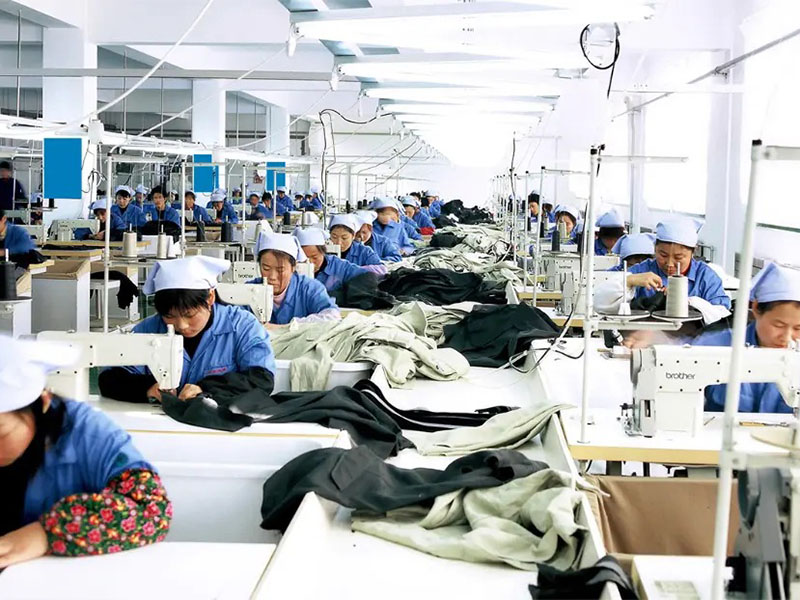
A buyer should screen a shirt manufacturer early by reviewing product focus, communication speed, sample capability, MOQ, quality standard, lead time, and whether the factory understands the requested shirt category clearly. Early screening saves time and reduces sourcing mistakes.
A common sourcing mistake is sending the same message to many suppliers and comparing quotes without checking whether the factories actually match the product needs. A low quote from the wrong supplier is not useful.
At Fusionknits, early supplier screening is usually based on technical fit first and price second.
What to check during early factory screening
- Product specialization
- Factory communication quality
- MOQ requirement
- Sample development ability
- Lead time range
- Fabric sourcing support
- Quality control process
- Export experience
Why communication quality matters early
It reflects future workflow
If communication is slow or unclear in the beginning, production coordination may become much harder later.
It reveals technical understanding
A capable manufacturer should ask product-related questions, not only send a price quickly.
It reduces sourcing risk
Clear communication supports faster sample correction and problem-solving.
Early screening checklist
| Screening point | Why it matters |
|---|---|
| Product focus | Confirms category suitability |
| Response quality | Reflects professionalism |
| MOQ | Confirms whether the order is realistic |
| Sample support | Shows development strength |
| Lead time | Supports delivery planning |
A stronger sourcing process removes weak suppliers early instead of spending time on all of them equally.
Why are samples one of the most important steps in finding the right manufacturer?
A supplier may communicate well and still fail in actual product execution. That is why sample development is one of the most important stages in factory selection.
Samples are one of the most important steps in finding the right manufacturer because they show how the factory handles fit, fabric, sewing quality, print placement, workmanship, and technical comments in real production conditions. A sample reveals much more than a quotation.
A shirt may look acceptable in a supplier profile or on a website, but the real test begins when the factory has to build the buyer’s actual product. This is where pattern quality, collar balance, stitching control, shrinkage awareness, and finishing discipline become visible.
At Fusionknits, sample development is treated as a supplier evaluation tool, not only a garment preview.
What a buyer should review in a sample
- Fabric hand feel
- Measurement accuracy
- Fit balance
- Collar and neckline quality
- Sleeve and body proportion
- Stitching appearance
- Print or embroidery accuracy
- Wash behavior
- Label and packaging details
Why sample handling says a lot about a factory
It shows technical capability
A good factory should translate product requirements into a real garment with reasonable accuracy.
It shows correction ability
The first sample may not be perfect, but the response to comments matters a lot.
It shows consistency discipline
A factory that is careless in the sample stage may be even riskier in bulk production.
Sample review guide
| Sample factor | What it reveals |
|---|---|
| Fit accuracy | Pattern and measurement control |
| Sewing quality | Production skill level |
| Material handling | Fabric understanding |
| Comment response | Factory flexibility and professionalism |
| Wash result | Product stability |
A strong sample does not guarantee perfect bulk production, but a weak sample is usually an early warning sign.
How can buyers verify whether a shirt manufacturer is reliable?
A reliable manufacturer should not only say the right things. It should show stable capability through process, communication, and consistency. Reliability is built through evidence, not promises alone.
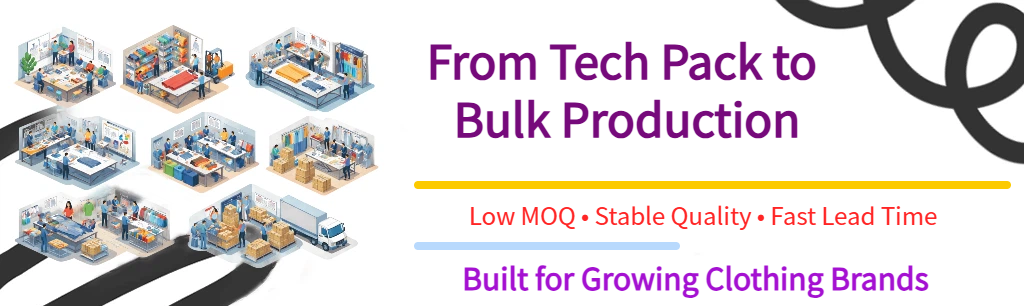
Buyers can verify whether a shirt manufacturer is reliable by reviewing samples, checking communication quality, confirming factory specialization, evaluating lead-time discipline, understanding inspection processes, and comparing how clearly the supplier manages technical details. Reliability should be tested in workflow, not only in marketing claims.
From a manufacturing perspective, reliability means more than capacity. It also means repeatability. A factory should be able to produce the approved standard again, not just once.
At Fusionknits, reliability is often measured through four areas: technical understanding, consistency, communication, and process control.
Signs of a more reliable manufacturer
- Clear and timely communication
- Realistic promises
- Strong sample execution
- Consistent answers on lead time
- Organized quality control steps
- Familiarity with export workflow
- Willingness to discuss risk points honestly
Why overpromising is a warning sign
It creates false speed expectations
Some factories accept unrealistic deadlines only to face delays later.
It hides capability gaps
A supplier may agree quickly before fully understanding the technical requirement.
It damages long-term sourcing trust
Reliability depends on execution, not aggressive sales behavior.
Reliability check overview
| Reliability sign | Why it matters |
|---|---|
| Realistic lead times | Supports delivery trust |
| Strong sample quality | Supports production confidence |
| Clear process explanation | Shows operational maturity |
| Honest communication | Reduces sourcing surprises |
A reliable shirt manufacturer usually communicates clearly, samples seriously, and avoids unrealistic promises.
Why is price-only sourcing such a common mistake?
Price matters in every sourcing project, but using price as the main selection rule usually creates more problems later. The cheapest factory is often not the lowest-cost supplier in the full business sense.
Price-only sourcing is a common mistake because a low quote can hide weak fabric quality, poor workmanship, unstable lead time, or weak communication. The best shirt manufacturer should be evaluated on total value, not only on the lowest price per piece.
At Fusionknits, this problem appears often in the market. A buyer may choose the cheapest sample or quote, then face quality claims, delays, or unexpected rework costs later. Those losses can easily exceed the price difference that looked attractive at the beginning.
What low pricing may hide
- Lower-grade fabric
- Inconsistent measurement control
- Poor shrinkage handling
- Weak packing standards
- Inexperienced communication
- Slower correction ability
- Lower delivery stability
Why total value matters more than the cheapest quote
Quality problems cost money later
Returns, complaints, or markdowns can destroy the margin advantage of a lower factory cost.
Delivery delays create commercial loss
Late product can miss its best selling window.
Poor communication increases operational cost
A buyer may spend more time and effort managing preventable issues.
Price vs sourcing value
| Supplier choice logic | Likely result |
|---|---|
| Lowest price only | Higher sourcing risk |
| Balanced quality and cost | Better long-term control |
| Strong sample and realistic pricing | More stable production outcome |
A better sourcing decision usually comes from comparing the full supplier performance, not only the first quote.
What should a buyer prepare before contacting shirt manufacturers?
A factory search becomes much more effective when the buyer is prepared. The stronger the technical brief is, the easier it becomes to find a suitable supplier and receive useful feedback.
Before contacting shirt manufacturers, a buyer should prepare a clear product brief that includes shirt type, fabric direction, measurements, artwork or decoration details, target quantity, target quality level, packaging expectations, and timeline. Better preparation usually creates better supplier responses.
At Fusionknits, this step is very important because factories work more efficiently when they can see the product requirement clearly. It also helps the buyer compare suppliers more fairly.
What to prepare before supplier outreach
- Product photos or reference images
- Shirt category and style details
- Fabric direction
- Size chart or measurement idea
- Print or embroidery information
- Quantity estimate
- Packaging standard
- Target timeline
Why preparation improves the search
Factories can answer more accurately
The more precise the request, the more realistic the quote and feedback.
Supplier comparison becomes cleaner
It is easier to compare factories when they are quoting the same product target.
Development starts faster
Prepared buyers usually move into sample stage more efficiently.
Buyer preparation checklist
| Prepared item | Why it helps |
|---|---|
| Product reference | Clarifies the visual target |
| Fabric direction | Improves costing and sourcing |
| Size information | Supports technical response |
| Quantity | Helps evaluate MOQ and pricing |
| Timeline | Supports lead-time review |
A buyer does not need a perfect tech pack to begin, but should still provide enough information to make supplier evaluation meaningful.
How should a business build a long-term relationship with the right shirt manufacturer?
Finding the manufacturer is only the beginning. Once the right supplier is identified, the next step is building a working relationship that supports repeat production, consistency, and growth.
A business should build a long-term relationship with the right shirt manufacturer through clear communication, realistic planning, stable specifications, timely feedback, and mutual understanding of quality standards and delivery expectations. Long-term sourcing works best when both sides treat production as a shared process, not only a transaction.
At Fusionknits, the strongest manufacturing relationships usually grow from repeatability. When the buyer gives clear information and the factory delivers consistently, the product becomes more stable and the workflow becomes more efficient over time.
Ways to build a stronger manufacturer relationship
- Keep specifications clear
- Approve samples carefully
- Give timely comments
- Avoid unnecessary last-minute changes
- Review quality issues with facts
- Build repeat orders on stable standards
- Treat the supplier as a production partner
Why long-term relationships matter in apparel
Reorders become easier
A factory that already knows the product can often produce more efficiently and consistently.
Quality improves over time
Stable cooperation usually leads to better process understanding.
Delivery planning becomes stronger
A known relationship often improves production scheduling and communication.
Long-term relationship value
| Good sourcing habit | Long-term benefit |
|---|---|
| Clear communication | Fewer mistakes |
| Stable product standards | Better repeat quality |
| Respect for timelines | Stronger delivery planning |
| Real partnership mindset | Better growth support |
The best shirt manufacturer is not only the one that makes the first order well. It is the one that can support stable business development after that.
Conclusion
Finding a manufacturer for shirts begins with product clarity, not only supplier searching. A buyer should first define the shirt category, fabric, fit, quality level, and quantity, then search for manufacturers whose real capabilities match that product direction. Strong supplier selection depends on product fit, communication, sample quality, reliability, and long-term production value, not just on the lowest quote.
From a professional manufacturing perspective, the best shirt manufacturer is the one that can support both the product and the business behind it.
At Fusionknits, effective sourcing is built through clear technical preparation, disciplined sample review, realistic supplier evaluation, and stronger long-term cooperation. When those stages are handled well, shirt manufacturing becomes more stable, more predictable, and more valuable for both the buyer and the factory.