A cardigan can look soft, simple, and easy to wear, but the fiber behind it changes almost everything. The material affects hand feel, warmth, weight, drape, pilling, wash behavior, and final price. In cardigan development, the wrong yarn choice can weaken the whole product even when the silhouette looks correct.
Most cardigans are made of cotton, acrylic, wool, or fiber blends such as cotton-acrylic, viscose-nylon, or wool blends. The most common material depends on the target market, season, price level, and intended hand feel, but commercial cardigans are often built from practical blends because they balance softness, cost, durability, and production stability.
At Fusionknits, cardigan material selection is treated as one of the most important product decisions in knitwear development. A cardigan is not defined only by its shape or closure. It is also defined by the yarn system behind it. That is why understanding the most common cardigan materials is essential for better sourcing, better sampling, and better product positioning.
Why does cardigan material matter so much in product development?
A cardigan is a knitwear product, so the material is not only a surface choice. The fiber shapes the whole garment. It changes how the cardigan hangs, how warm it feels, how long it keeps its shape, and how the customer judges quality.
Cardigan material matters so much because it controls softness, drape, warmth, surface texture, recovery, care requirements, and price. In knitwear, fiber choice affects both technical performance and commercial value at the same time.
From a manufacturing point of view, a cardigan made from cotton does not behave like one made from acrylic or wool. The same silhouette may feel light and breathable in one yarn, heavy and cozy in another, or softer and more fluid in a blend. That is why two cardigans with similar appearance can still belong to very different product levels.
At Fusionknits, this is one of the first material conversations in cardigan development. The fiber must match the season, the target customer, the fit direction, and the expected price range.
Why fiber choice affects the whole cardigan
- It changes softness and touch
- It changes warmth level
- It affects drape and body shape
- It influences pilling and wear behavior
- It changes care needs
- It changes cost and commercial positioning
Why this matters in real manufacturing
Material affects knitting behavior
Some yarns knit more cleanly, some feel denser, and some need more finishing control.
Material affects customer expectation
A customer buying a premium winter cardigan expects a different feel from a customer buying a lightweight spring layer.
Material affects garment identity
The same cardigan style can feel casual, premium, cozy, polished, or budget-driven depending on the yarn.
A simple material overview
| Material factor | Why it matters |
|---|---|
| Softness | Affects first impression |
| Weight | Affects wear comfort |
| Recovery | Affects long-term shape |
| Warmth | Affects seasonal use |
| Cost | Affects market positioning |
That is why cardigan material is one of the strongest product decisions in knitwear manufacturing.
Are most cardigans made from natural fibers or synthetic fibers?
Most cardigans in the market are not made from one pure fiber direction only. The category includes both natural and synthetic materials, but commercial production often relies heavily on blends because blends are easier to balance in price and performance.
Most cardigans are made from a mix of natural and synthetic fiber directions. Natural fibers such as cotton and wool are very common, while synthetic fibers such as acrylic and nylon are also widely used. In many commercial cardigan programs, blended yarns are especially common because they combine softness, durability, shape support, and better cost control.
From a manufacturing point of view, pure-fiber cardigans can be excellent, but they are not always the easiest commercial solution. A pure cotton cardigan may feel breathable and natural, but it may need help in shape recovery. A pure wool cardigan may feel warm and rich, but it may sit at a higher price point. A balanced blend often gives brands more flexibility.
At Fusionknits, material planning often begins with this practical question: should the cardigan feel more natural, more commercial, more premium, or more easy-care?
Common fiber directions used in cardigans
- Cotton
- Wool
- Acrylic
- Viscose
- Nylon
- Polyester in some blends
- Cashmere in premium programs
Why blends are so common
They balance cost and feel
A cardigan can stay soft without becoming too expensive.
They improve structure
Some blends help the cardigan recover shape better.
They widen product use
A blend can make the garment easier to care for and easier to scale in larger production.
Fiber direction overview
| Fiber direction | Typical cardigan role |
|---|---|
| Natural fibers | Comfort, softness, breathability, warmth |
| Synthetic fibers | Durability, price control, easier structure |
| Blended yarns | Balanced commercial solution |
That is why most cardigans today are better understood as part of a mixed-fiber market rather than a single-fiber category.
Is cotton one of the most common materials for cardigans?
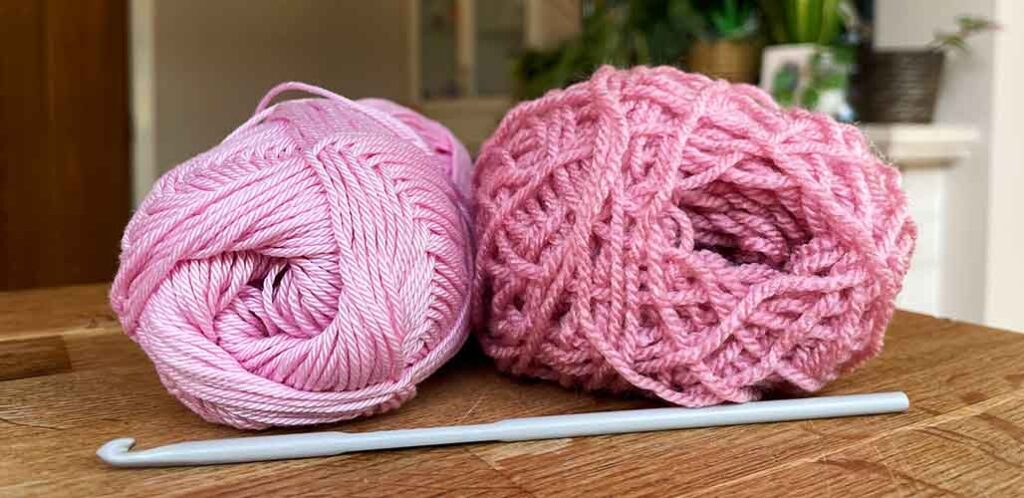
Yes. Cotton is one of the most common cardigan materials, especially in lighter, trans-seasonal, and more casual knitwear programs. It is widely used because it feels familiar, breathable, and commercially flexible.
Yes, cotton is one of the most common materials for cardigans because it offers breathability, comfort, broad market acceptance, and easy styling value. Cotton cardigans are especially common in spring, autumn, indoor layering, and cleaner casualwear collections.
Cotton works well because it gives the cardigan a softer everyday identity without making the product feel too technical or too heavy. It also fits many retail categories, from simple basics to cleaner premium casualwear. But cotton alone does not solve every product need. Depending on gauge and finish, it may need blending support for better recovery or lower cost.
At Fusionknits, cotton cardigans are often developed when the target is wearability, broad customer appeal, and practical layering across seasons.
Why cotton is widely used in cardigans
- Breathable and comfortable
- Familiar to most customers
- Good for layering
- Suitable for trans-seasonal use
- Strong in casual and clean everyday markets
What cotton does well in cardigan production
It creates a natural hand feel
Customers often respond well to cotton because it feels easy and wearable.
It supports versatile styling
Cotton cardigans work well in basics, office casual, and light seasonal programs.
It fits broad market levels
Cotton can be used in both more affordable and better-quality programs depending on yarn and finish.
Cotton cardigan overview
| Cotton strength | Product result |
|---|---|
| Breathability | Better everyday layering |
| Soft natural feel | Strong customer familiarity |
| Broad styling value | High commercial flexibility |
| Lower winter warmth than wool | Better for lighter seasons |
That is why cotton remains one of the strongest and most common cardigan materials.
Is acrylic used in a large number of cardigans?
Yes. Acrylic is one of the most widely used fibers in commercial cardigan production, especially in value-driven and broad-market knitwear. It is common because it helps control price while still supporting softness and sweater-like appearance.
Yes, acrylic is used in a large number of cardigans because it is cost-effective, easy to scale, and visually suitable for many sweater categories. Acrylic is especially common in commercial cardigans where the brand wants softness, warmth impression, and accessible pricing in the same product.
Acrylic has a strong role in mass-market knitwear because it can imitate the visual softness of warmer natural fibers while keeping cost under control. It is often used alone or in blends. A fully acrylic cardigan may feel commercially practical, while an acrylic blend may improve balance between softness, stability, and durability.
At Fusionknits, acrylic is often used when the product needs stronger price efficiency and broad commercial reach.
Why acrylic is so common in cardigans
- Lower raw material cost
- Sweater-like visual softness
- Broad use in commercial knitwear
- Suitable for many gauge directions
- Good for larger-volume programs
Why acrylic should still be handled carefully
It affects hand feel differently from natural fibers
Acrylic can feel softer in some uses, but the quality level depends heavily on yarn development and finishing.
It changes care and odor behavior
The customer experience is not identical to wool or cotton.
Surface quality still matters
A low-grade acrylic cardigan may feel weak if the yarn and finishing are poorly controlled.
Acrylic cardigan guide
| Acrylic strength | Product role |
|---|---|
| Cost control | Better commercial pricing |
| Sweater look | Suitable visual identity |
| Broad market use | Useful for volume production |
| Fiber difference from natural yarns | Needs careful quality positioning |
That is why acrylic remains one of the most common cardigan materials in the market.
Are wool and wool blends common in cardigans?
Yes. Wool and wool blends are very common in cardigans, especially in colder-season collections, better-quality knitwear, and more premium layering products. They are important because they offer warmth, softness, and stronger seasonal identity.
Yes, wool and wool blends are common in cardigans, especially in autumn and winter programs. They are used because they provide warmth, natural performance, and a richer knitwear feel that many customers associate with higher-value seasonal products.
From a manufacturing point of view, wool creates a different cardigan identity from cotton or acrylic. A wool cardigan often feels warmer, more seasonal, and more elevated. But pure wool may not always be the best commercial solution for every market, so wool blends are often used to balance comfort, shape, and cost.
At Fusionknits, wool-blend cardigans are often developed when the product needs stronger winter use, a richer hand feel, or a more premium knitwear position.
Why wool is important in cardigans
- Strong natural warmth
- Rich knitwear identity
- Good seasonal relevance
- Broad premium perception
- Better winter layering value
Why wool blends are often chosen instead of pure wool
Better commercial balance
A blend can reduce cost while keeping warmth and softness.
Better structure or comfort
Some blends improve shape control or reduce excessive heaviness.
Wider market fit
Blends help make wool-like cardigans more accessible to broader customer groups.
Wool cardigan overview
| Wool direction | Typical cardigan use |
|---|---|
| Pure wool | Richer, warmer, more premium |
| Wool blend | Balanced winter commercial product |
| Fine merino blend | Lighter polished seasonal knitwear |
That is why wool and wool blends remain very common in cold-season cardigan categories.
What role do viscose, nylon, and other blended fibers play in cardigans?
Many cardigans are not made from the headline fibers alone. Secondary fibers such as viscose and nylon often play a major role in softness, drape, and structure.
Viscose, nylon, and other blended fibers often play supporting roles in cardigans by improving drape, smoothness, recovery, durability, or commercial balance. These fibers are especially common in blended cardigan yarns where the goal is to create a softer, more fluid, or more stable finished product.
Viscose is often used when the brand wants a smoother, more refined, or more fluid cardigan feel. Nylon is frequently used as a support fiber for structure, recovery, or durability in blended knitwear. Polyester may also appear in some cardigan blends depending on the target cost and product direction.
At Fusionknits, blended secondary fibers are often selected not because they dominate the product story, but because they help the cardigan perform better in real manufacturing and real wear.
Why these support fibers are used
- Improve drape
- Improve softness
- Improve structure
- Improve recovery
- Support more commercial consistency
- Help control final cost
What these fibers often add
Viscose
Usually adds smoothness, softness, and more fluid movement.
Nylon
Usually adds support, durability, and shape stability.
Polyester or similar support fibers
Can help with durability, efficiency, and price structure in some programs.
Support-fiber overview
| Fiber | Typical function in cardigan blends |
|---|---|
| Viscose | Softer drape and smoother feel |
| Nylon | Support and structure |
| Polyester | Durability and commercial balance |
That is why many successful cardigans are built not from one fiber only, but from a carefully balanced blend.
Some are, but not most. Premium cardigan categories do include cashmere, cashmere blends, merino, and other refined fibers, but these sit at a higher level of the market and are not the standard material direction for most commercial cardigans.
Premium cardigans are often made from finer fibers such as cashmere, cashmere blends, fine merino wool, or refined luxury blends, but these are not what most cardigans in the market are made of. They are more specialized premium options rather than the main commercial standard.
From a manufacturing perspective, luxury fibers create a different product category. They are usually chosen for elevated softness, better hand feel, and stronger luxury positioning rather than for mass-market efficiency. These products also need more careful finishing and more disciplined quality control.
At Fusionknits, luxury-fiber cardigan development is usually positioned very differently from standard commercial cardigan programs because the care, cost, and customer expectation are all higher.
Premium fibers used in higher-end cardigans
- Cashmere
- Cashmere blends
- Fine merino wool
- Extra-soft wool blends
- Selected luxury mixed yarns
Why these materials are not the main market standard
They cost more
That limits their use in broad commercial cardigan categories.
They need more careful handling
The production and care requirements are higher.
They serve a narrower market
Not every customer is shopping for luxury knitwear.
Premium-material guide
| Premium fiber | Product position |
|---|---|
| Cashmere | Luxury softness and higher price |
| Cashmere blend | Softer premium balance |
| Fine merino | Polished premium knitwear |
| Luxury blend | Refined seasonal cardigan category |
So yes, premium cardigans may use luxury fibers, but most cardigans in the wider market do not rely on them.
Why are blends so common in cardigan manufacturing?
Blends solve many practical problems in knitwear. They help manufacturers combine the strengths of different fibers while reducing some of the weaknesses of each single-fiber option.
Blends are so common in cardigan manufacturing because they help balance softness, cost, warmth, drape, structure, and durability. A blended cardigan yarn often performs better commercially than a pure-fiber option because it gives brands more control over both product feel and production efficiency.
A pure cotton cardigan may feel natural but need more help in recovery. A pure acrylic cardigan may be affordable but need better surface refinement. A pure wool cardigan may feel rich but sit too high in price for some markets. A blend helps bring these product pressures into better balance.
At Fusionknits, blends are often the most commercially realistic answer because they support both product development and scalable manufacturing.
Why brands use blended cardigan yarns
- Better price control
- Better softness balance
- Better structure
- Better seasonal flexibility
- Better market fit
- Better production practicality
Why blends perform well in commercial cardigan programs
They reduce extremes
The product becomes easier to position and easier to wear.
They support broader target markets
A blend can feel premium enough without becoming too expensive.
They improve real-life performance
The cardigan often becomes easier to manufacture, finish, and maintain.
Blend-benefit overview
| Blend benefit | Why it matters |
|---|---|
| Cost balance | Better commercial reach |
| Hand feel control | Better customer experience |
| Shape support | Better product stability |
| Yarn versatility | Better manufacturing flexibility |
That is why blended yarns are often the real backbone of cardigan production.
How should buyers judge cardigan materials correctly?
Many buyers focus too much on one fiber name and not enough on the full product. In knitwear, the material story should be judged together with gauge, stitch, finishing, and target use.
Buyers should judge cardigan materials by looking at the full product combination, including fiber composition, yarn quality, gauge, hand feel, stitch structure, and intended use. The best cardigan material is not always the most expensive one. It is the one that fits the product purpose and market level correctly.
From a factory perspective, the label alone does not tell the whole story. A high-quality cotton cardigan can outperform a weak wool cardigan if the yarn and construction are better. A good blend can outperform a poorly executed pure-fiber product if it is more balanced and better finished.
At Fusionknits, the strongest cardigan material decisions are usually made by matching fiber logic to real product goals instead of relying on material reputation alone.
What buyers should check in cardigan materials
- Fiber composition
- Hand feel
- Weight
- Recovery
- Surface appearance
- Seasonal suitability
- Price alignment
- Care expectations
Why the full product matters more than fiber name alone
Quality is built, not just labeled
The yarn count, knitting quality, and finishing all shape the final result.
Product purpose should lead the decision
A spring layering cardigan and a winter premium cardigan should not use the same material logic.
Blends can be excellent
A balanced blend is often more commercially effective than a pure but poorly positioned fiber.
Buyer evaluation guide
| Material question | Better buying approach |
|---|---|
| What is it made of? | Check full composition |
| Does it feel right? | Review hand feel and drape |
| Is it stable enough? | Check recovery and finish |
| Does it fit the market? | Match fiber to use and price |
That is how cardigan materials should be judged in real sourcing and development.
Conclusion
Most cardigans are made of cotton, acrylic, wool, or blended yarns such as cotton-acrylic, viscose-nylon, and wool blends. Cotton is common for breathable and versatile layering cardigans. Acrylic is widely used for commercial softness and price control. Wool and wool blends are important for colder-season and more premium knitwear. Support fibers such as viscose and nylon are also common because they improve drape, softness, or structure in blended programs.
At Fusionknits, the most important point is that cardigan material should always match the intended product. The strongest cardigan is not built only from the fiber with the best reputation. It is built from the fiber system that supports the right hand feel, the right silhouette, the right season, the right care level, and the right market position.
When the material is chosen correctly, the cardigan becomes easier to manufacture, easier to sell, and more dependable in real wear.