Many apparel buyers focus mainly on pricing when sourcing pants, but manufacturing location also affects fabric availability, production quality, lead times, and supply chain stability. Different countries specialize in different types of pants production.
Most pants are manufactured in countries such as China, Bangladesh, Vietnam, India, and Turkey because these regions offer large-scale garment production capacity, textile supply chains, skilled labor, and export infrastructure.
At Fusionknits, pants manufacturing depends heavily on fabric sourcing, technical construction, and production coordination. Different sourcing countries offer different advantages depending on the product category and market positioning.
Why Is China One Of The Largest Pants Manufacturing Countries?
China remains one of the world’s biggest apparel manufacturing centers.
China is one of the largest pants manufacturing countries because it has integrated textile supply chains, advanced production systems, skilled garment workers, and strong export capabilities.
China continues to dominate many categories of apparel production.
China Has A Complete Apparel Supply Chain
Pants manufacturing requires multiple production stages.
China supports:
- Yarn production
- Fabric weaving and knitting
- Dyeing mills
- Trims manufacturing
- Garment production
- Packaging suppliers
This integration improves manufacturing efficiency.
China Produces Many Types Of Pants
Chinese factories manufacture:
| Pants Category | Manufacturing Strength |
|---|---|
| Joggers | Strong |
| Sweatpants | Strong |
| Cargo pants | Strong |
| Leggings | Strong |
| Casual trousers | Strong |
This flexibility attracts many global apparel brands.
Technical Manufacturing Capability Is Strong
China performs well in:
- Stretch fabric production
- Technical activewear
- Complex stitching
- Washed garment finishing
Advanced production capability supports premium apparel manufacturing.
Export Infrastructure Improves Delivery Efficiency
China’s ports and logistics systems help improve:
- Shipping speed
- Supply chain coordination
- International distribution
At Fusionknits, production planning and material coordination are important parts of apparel manufacturing support.
Why Do Many Brands Manufacture Pants In Bangladesh?
Bangladesh has become one of the largest apparel exporters globally.

Many brands manufacture pants in Bangladesh because of lower labor costs, large-scale production capacity, and strong basic garment manufacturing capability.
Bangladesh is especially competitive in mass-market apparel production.
Bangladesh Specializes In High-Volume Production
Factories in Bangladesh often focus on:
- Basic sweatpants
- Knit joggers
- Casual pants
- Mass-market apparel
Large production scale helps reduce unit cost.
Labor Costs Remain Competitive
Lower labor costs help brands reduce:
- Manufacturing expenses
- Retail pricing pressure
This is especially important for high-volume apparel programs.
Knitwear Production Is Strong
Bangladesh performs particularly well in knit apparel manufacturing.
Common products include:
- Cotton joggers
- Fleece sweatpants
- Lounge pants
Many global retailers source knit bottoms from Bangladesh.
Lead Times May Be Longer
Although Bangladesh offers cost advantages, lead times may sometimes be longer due to:
- Production congestion
- Port pressure
- Supply chain limitations
Brands must balance cost and delivery expectations carefully.
Why Is Vietnam Growing In Pants Manufacturing?
Vietnam has become an important sourcing destination for activewear and technical apparel.
Vietnam is growing in pants manufacturing because of improving production quality, competitive labor costs, and strong performance apparel manufacturing capability.
Vietnam continues attracting global sportswear brands.
Vietnam Performs Well In Activewear Production
Vietnam is strong in manufacturing:
| Product Type | Common Strength |
|---|---|
| Leggings | Strong |
| Running pants | Strong |
| Yoga pants | Strong |
| Technical joggers | Strong |
Technical sportswear production continues expanding in Vietnam.
Skilled Workforce Improves Quality
Vietnamese garment factories often provide:
- Stable stitching quality
- Technical sewing capability
- Better production consistency
This supports mid-range and premium activewear manufacturing.
Trade Agreements Support Export Growth
Vietnam benefits from several international trade agreements.
This improves export opportunities to:
- North America
- Europe
- Australia
Trade advantages increase sourcing competitiveness.
Production Costs Continue Rising Slowly
As demand increases, manufacturing costs in Vietnam are also gradually increasing.
Brands often compare Vietnam with:
- China
- Bangladesh
- Cambodia
Sourcing decisions depend on product complexity and pricing targets.
What Types Of Pants Are Commonly Manufactured In India?
India plays an important role in global textile and apparel production.
India manufactures large quantities of cotton pants, casual trousers, loungewear, and woven garments because of its strong textile industry and cotton production resources.
India remains highly important in cotton apparel manufacturing.
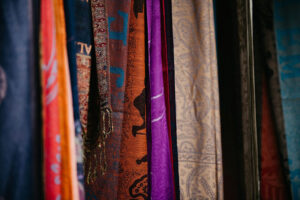
India Is One Of The Largest Cotton Producers
Strong cotton supply helps support:
- Cotton joggers
- Casual pants
- Loungewear
- Woven trousers
Vertical textile integration improves sourcing flexibility.
Handcrafted And Washed Garments Are Popular
India performs well in:
- Garment dyeing
- Washed finishes
- Embroidery work
- Artisan detailing
These strengths support fashion-focused collections.
Fabric Variety Is Extensive
Indian suppliers offer:
- Cotton twill
- French terry
- Jersey knits
- Linen blends
Fabric diversity supports multiple apparel categories.
Infrastructure Still Varies By Region
Some manufacturing regions in India offer stronger export infrastructure than others.
Brands should evaluate:
- Factory capability
- Communication quality
- Production management
Supplier selection remains important.
Why Are Different Countries Used For Different Pants Categories?
Not all manufacturing regions specialize in the same products.
Different countries manufacture different types of pants based on labor specialization, textile capability, production technology, and supply chain infrastructure.
Product complexity strongly affects sourcing strategy.
Activewear Requires Technical Manufacturing
Products such as:
- Compression leggings
- Seamless joggers
- Performance pants
often require:
- Technical fabrics
- Stretch stitching
- Advanced machinery
These products are commonly sourced from China or Vietnam.
Basic Knit Pants Prioritize Cost Efficiency
Basic sweatpants and casual joggers often focus more on:
- High-volume production
- Competitive pricing
Bangladesh remains strong in this category.
Fashion Pants Require Flexible Production
Fashion-oriented products may require:
- Garment washing
- Special dyeing
- Trend-focused production
Turkey and China often support these collections effectively.
Outerwear Pants Require Specialized Fabrics
Technical outdoor pants may require:
- Water-resistant coatings
- Ripstop fabrics
- Thermal lining systems
Not all factories support these materials and constructions.
At Fusionknits, fabric selection and garment construction are closely connected during pants manufacturing development.
How Does Fabric Affect Pants Manufacturing Locations?
Fabric sourcing strongly influences manufacturing decisions.
Pants manufacturing locations are often chosen based on local fabric availability, textile infrastructure, and technical material sourcing capability.
Integrated supply chains improve production efficiency.
Knit Fabric Production Supports Sweatpants Manufacturing
Countries with strong knit textile industries usually perform well in:
- Joggers
- Lounge pants
- Activewear bottoms
Knit fabrics include:
- French terry
- Fleece
- Jersey
- Stretch blends
Woven Pants Require Different Production Systems
Woven pants often use:
- Twill
- Nylon blends
- Cotton canvas
These products require different cutting and sewing techniques.
Technical Fabrics Increase Manufacturing Complexity
Performance pants may require:
- moisture-wicking fabrics
- four-way stretch
- Water-resistant coatings
Factories need technical expertise to manage these materials.
Fabric Lead Times Affect Production Planning
Fabric availability influences:
- Sampling speed
- Bulk production timelines
- Delivery schedules
Strong textile ecosystems improve sourcing flexibility.
How Important Is Quality Control In Pants Manufacturing?
Pants production requires consistent sizing and durable construction.
Quality control is essential in pants manufacturing because fitting accuracy, seam strength, fabric stability, and measurement consistency directly affect product performance and customer satisfaction.
Poor quality control can create high return rates.
Fit Consistency Is Critical
Pants require accurate control of:
- Waist measurement
- Inseam length
- Rise balance
- Leg shape
Sizing inconsistency is a common production issue.
Stretch Recovery Must Be Tested
Stretch fabrics used in:
- Leggings
- Joggers
- Activewear pants
should maintain:
- Shape retention
- Elastic recovery
- Long-term durability
Fabric testing is important during production.
Sewing Quality Affects Durability
Pants experience constant movement and friction.
Factories inspect:
| Quality Area | Common Focus |
|---|---|
| Seams | Strength |
| Waistbands | Elastic stability |
| Pockets | Stitch durability |
| Crotch area | Reinforcement |
Strong construction improves product lifespan.
Fabric Stability Is Important
Pants fabrics should resist:
- Shrinkage
- Twisting
- Pilling
- Color fading
At Fusionknits, fabric testing and inline inspection are integrated into apparel manufacturing quality control procedures.
Is China Still The Best Choice For Pants Manufacturing?
The answer depends on product type and sourcing goals.
China remains one of the best choices for pants manufacturing because of its flexible production capability, technical expertise, integrated supply chain, and stable quality management systems.
Many global brands continue sourcing from China despite rising costs.
China Supports Advanced Customization
Chinese manufacturers often support:
- Custom fabrics
- Complex trims
- Technical washes
- OEM development
This is important for premium apparel brands.
Sampling And Development Are Faster
Integrated supply chains help improve:
- Fabric sourcing speed
- Sample turnaround
- Production coordination
Fast development cycles are important in modern fashion markets.
Smaller Brands Benefit From Flexibility
Many Chinese factories support:
- Small MOQs
- Flexible development
- Mixed product categories
This helps growing apparel brands scale gradually.
Long-Term Manufacturing Stability Matters
Stable supplier relationships improve:
- Communication
- Quality consistency
- Delivery reliability
At Fusionknits, long-term production cooperation and structured manufacturing management are important parts of apparel sourcing support.
What Trends Are Changing Pants Manufacturing Globally?
Global apparel production continues evolving.
Pants manufacturing is changing because of sustainability pressure, automation, technical fabric innovation, and shifting sourcing strategies.
Modern apparel brands now evaluate suppliers more carefully.
Sustainable Fabrics Are Becoming More Important
Many brands now request:
- Organic cotton
- Recycled polyester
- Eco-friendly dyeing
Sustainable sourcing continues growing globally.
Automation Is Increasing
Factories increasingly use:
- Automatic cutting systems
- digital pattern software
- Production tracking systems
Technology improves production consistency and efficiency.
Faster Fashion Cycles Affect Production
Brands now require:
- Faster sampling
- Shorter lead times
- Smaller production runs
Flexible manufacturing is becoming more important.
Consumers Expect Better Quality
Modern buyers increasingly expect:
- Better fabrics
- Stronger durability
- Improved comfort
- Consistent fitting
Factories must continuously improve quality standards.
Conclusion
Most pants are manufactured in countries such as China, Bangladesh, Vietnam, India, and Turkey because these regions offer strong textile supply chains, skilled labor, and large-scale garment production capability. Each country specializes in different product categories depending on manufacturing technology, labor structure, and fabric resources.
At Fusionknits, pants manufacturing focuses on fabric quality, technical construction, and stable production management. Choosing the right sourcing country depends on product complexity, customization requirements, quality expectations, and long-term supply chain strategy.