Many people notice loose, oversized pants in fashion but don’t know their proper name. Misunderstanding these terms can affect shopping, styling, and sourcing decisions.
Baggy bottoms are often referred to as “wide-leg pants,” “palazzo pants,” “cargo pants,” or “slouchy trousers,” depending on the style and fabric. Each style has distinct characteristics and origins in fashion history.
Understanding these names helps buyers, designers, and fashion enthusiasts communicate clearly when sourcing or styling apparel.
Why Are Baggy Bottoms Popular in Fashion?
Baggy bottoms have become increasingly popular because of comfort and style versatility.
Loose-fitting pants offer freedom of movement, a relaxed aesthetic, and the ability to pair with various tops, making them a staple in casual, streetwear, and high-fashion collections.
Fashion brands often release baggy-bottom designs each season, blending comfort with trends like oversized silhouettes and retro aesthetics.
Comfort and Functionality
- Baggy bottoms allow unrestricted movement.
- Lightweight fabrics improve breathability.
- Stretchable waists enhance fit without tightness.
Style Flexibility
- Baggy pants can be dressed up with blazers.
- Casual streetwear looks can include hoodies or sneakers.
- Accessories like belts and chains complement baggy styles.
Cultural Influence
Many baggy styles originate from specific cultural movements:
- Hip-hop fashion popularized loose-fitting trousers.
- 70s palazzo pants reflected women’s liberation and comfort priorities.
- Cargo pants drew from military wear emphasizing pockets and utility.
What Are the Main Types of Baggy Bottoms?
Baggy bottoms are not all the same. Each type has unique design features.

Common types include wide-leg pants, palazzo pants, harem pants, cargo pants, and slouchy trousers. Each style is defined by cut, fit, and fabric choice.
Wide-Leg Pants
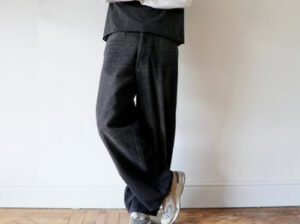
- Straight or slightly flared from the hip down.
- Often made from denim, cotton, or linen.
- Provides a structured but roomy silhouette.
Palazzo Pants
- Extremely wide from waist to hem.
- Flowing and lightweight fabrics like silk or chiffon.
- Popular for formal or resort wear.
Harem Pants
- Tight at the ankle, loose at hips and thighs.
- Often elastic waistbands.
- Associated with Middle Eastern and South Asian clothing traditions.
Cargo Pants
- Baggy with multiple side pockets.
- Functional design for outdoor or streetwear.
- Often cotton or twill fabrics.
Slouchy Trousers
- Relaxed fit throughout with dropped crotch.
- Emphasizes comfort over structure.
- Often knit or soft woven fabrics for lounge or casual wear.
How Do Baggy Bottoms Differ From Regular Pants?
Baggy bottoms are not just loose pants. Design, fabric, and silhouette define the category.
Baggy pants are characterized by extra volume around the thigh and leg area, softer drape, and often a lower crotch compared to slim or straight pants. Regular pants maintain a fitted or tapered shape.
Design Elements
- High-volume legs
- Elastic or adjustable waistbands
- Dropped crotch or flared hem
- Decorative elements (e.g., pleats, pockets)
Fabric Considerations
- Soft and flowing fabrics enhance drape.
- Structured fabrics maintain shape in wide-leg designs.
- Stretch materials provide comfort for casual baggy styles.
Style Impact
- Baggy pants convey casual, street, or retro looks.
- Fitted pants communicate formal or professional style.
- Choice of footwear affects the overall balance with baggy silhouettes.
Historical Evolution of Baggy Bottoms
Baggy trousers have evolved across decades and cultures, influencing modern fashion.
Baggy styles have roots in workwear, military garments, and cultural movements, reflecting both function and aesthetics throughout fashion history.
Early Workwear Origins
- Loose pants allowed manual labor flexibility.
- Denim and cotton were popular for durability.
Military and Utility Influence
- Cargo and parachute pants inspired functional design elements.
- Pockets, reinforced seams, and adjustable waists emerged from practicality.
Streetwear and Hip-Hop
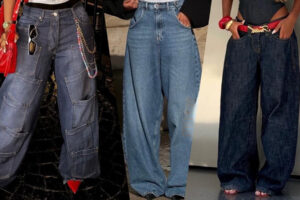
- 80s and 90s hip-hop popularized baggy jeans and cargo pants.
- Oversized silhouettes became symbols of identity and culture.
High Fashion Integration
- Designers reinterpreted baggy pants in silk, chiffon, or structured tailoring.
- Palazzo pants and exaggerated wide-leg styles became runway staples.
How to Style Baggy Bottoms
Baggy bottoms can suit various fashion aesthetics if paired strategically.
Styling strategies involve balancing volume, choosing complementary tops, and selecting appropriate footwear to maintain proportion and visual appeal.
Casual Looks
- Pair harem or slouchy pants with fitted t-shirts.
- Sneakers or slides enhance relaxed aesthetics.
- Layering with hoodies or denim jackets adds streetwear appeal.
Professional or Semi-Formal Looks
- Wide-leg trousers with tucked-in blouse or blazer.
- Pointed-toe shoes or heels maintain polished silhouettes.
- Minimal accessories prevent visual overload with voluminous pants.
Evening or High-Fashion Looks
- Palazzo pants with silk tops or crop blouses.
- Strappy heels or platform sandals elevate formal appeal.
- Bold prints and textures create fashion-forward statements.
Tips for Visual Balance
- Use fitted tops to contrast wide bottoms.
- Avoid pairing with other oversized garments unless pursuing a streetwear trend.
- Incorporate accessories to define the waist and structure overall outfit.
Baggy Bottoms in Apparel Sourcing
For manufacturers and buyers, understanding baggy styles is essential for production and wholesale planning.
Baggy bottoms require careful fabric selection, cut patterns, and construction techniques to maintain drape and comfort. Oversight in these areas may affect final product quality and brand perception.
Fabric Selection
- Lightweight flowy fabrics for palazzo or wide-leg pants.
- Durable cotton or twill for cargo pants.
- Knit or soft woven fabrics for lounge or slouchy pants.
Pattern and Fit
- Volume and drop of the crotch must be accurately drafted.
- Hem finishing ensures clean silhouette.
- Elastic or adjustable waistbands improve adaptability.
Production Considerations
- Cutting extra fabric for wide legs increases material cost.
- Oversized designs require precise grading for different sizes.
- Quality control ensures uniformity in volume and fit across batches.
How Cultural Trends Affect Baggy Bottom Demand
Fashion demand fluctuates with cultural and streetwear influences.
Current trends show strong popularity for oversized, comfortable garments influenced by 90s retro, loungewear, and athleisure movements, boosting baggy bottoms’ market demand.
Social Media Influence
- Influencers showcase styling techniques.
- Viral trends increase search volume for specific baggy styles.
Lifestyle Adaptation
- Remote work and casual office culture drive demand for comfortable wide-leg or slouchy trousers.
- Travel and leisure activities increase palazzo and harem pant popularity.
Regional Differences
- Europe and North America favor high-fashion palazzo and wide-leg pants.
- Asia sees higher demand for casual harem pants and cargo trousers.
- Streetwear hubs prioritize oversized jeans and utility pants.
Conclusion
Baggy bottoms encompass a wide range of pants including wide-leg, palazzo, harem, cargo, and slouchy trousers. Each type has unique design elements, cultural roots, and styling applications. Understanding these differences allows buyers, manufacturers, and fashion enthusiasts to make informed decisions about sourcing, styling, and market trends.
Historical roots in workwear, military apparel, and streetwear highlight both practicality and aesthetic evolution. Modern fashion continues to reinterpret baggy pants through fabrics, patterns, and styling approaches, making them a versatile component of global fashion.
From a sourcing perspective, proper fabric selection, accurate pattern drafting, and meticulous construction are crucial to maintain fit, drape, and quality. Market trends and cultural shifts influence demand, making knowledge of baggy bottoms’ terminology, types, and styling essential for fashion professionals aiming to meet consumer expectations and production standards worldwide.