Many polo shirts look similar at first glance. However, the fabric behind the garment determines how the polo feels, performs, and lasts over time. In wholesale apparel manufacturing, fabric selection directly affects comfort, durability, shrinkage control, branding quality, and customer satisfaction.
The best fabric for a polo shirt depends on the intended use, target market, and product positioning. Cotton piqué remains the classic choice for comfort and texture, while polyester and cotton-poly blends offer stronger durability, moisture management, and easier maintenance.
At Fusionknits, we manufacture polo shirts for fashion brands, corporate uniform suppliers, and sportswear companies. Through years of production experience, we have found that the right fabric can significantly improve both product value and long-term performance.
Why is cotton piqué considered the classic polo fabric?
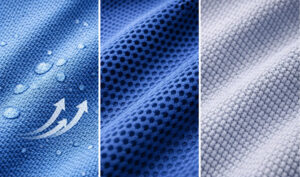
Cotton piqué has remained the industry standard for polo shirts for decades. Its textured knit structure gives polo shirts their recognizable appearance and breathable feel.
Cotton piqué is widely used because it combines comfort, airflow, and structure. The textured surface improves breathability while helping the garment maintain a clean and professional appearance.
In our production lines, cotton piqué is still one of the most requested materials for premium retail polo collections.
What makes piqué fabric unique?
Unlike flat jersey fabric, piqué uses a raised knit construction. This creates small air pockets throughout the fabric surface.
Key benefits include:
- Better airflow
- Improved moisture evaporation
- Enhanced texture appearance
- Stronger collar support
- Reduced cling during wear
This structure also helps polo shirts look more refined compared to standard T-shirts.
Common cotton piqué fabric weights
| Fabric Weight | Typical Application |
|---|---|
| 180 GSM | Lightweight summer polos |
| 200-220 GSM | Standard retail polos |
| 240+ GSM | Premium heavyweight polos |
For most commercial polo programs, 200-220 GSM offers the best balance between comfort and durability.
Limitations of pure cotton piqué
Although cotton piqué performs well, it also has disadvantages.
For example:
- Higher shrinkage risk
- Wrinkling after washing
- Color fading over time
- Collar deformation with repeated use
Because of this, many buyers now choose cotton-poly blends instead of 100% cotton.
Are polyester polo fabrics better for activewear?
Performance polos require different fabric properties compared to fashion or casual polos. Moisture management and durability become more important in sportswear applications.

Polyester fabrics are often the best choice for active polo shirts because they dry quickly, resist shrinking, and maintain shape and color after repeated washing.
At Fusionknits, polyester polos are widely used for golf wear, teamwear, corporate uniforms, and promotional apparel.
Why polyester performs well
Polyester fibers absorb very little moisture. Instead of trapping sweat, the fabric pushes moisture toward the outer surface where it evaporates faster.
This improves:
- Moisture-wicking performance
- Drying speed
- Wrinkle resistance
- Shape retention
- Color durability
Common polyester polo constructions
| Fabric Type | Main Features |
|---|---|
| Polyester Piqué | Sporty texture and durability |
| Interlock Polyester | Smooth surface and soft feel |
| Birdseye Mesh | Enhanced ventilation |
| Stretch Polyester | Better flexibility and movement |
These fabrics are especially useful in high-performance sportswear categories.
Potential concerns with low-quality polyester
Lower-grade polyester can create several issues:
- Poor breathability
- Plastic-like texture
- Static buildup
- Odor retention
This is why yarn quality and fabric finishing are extremely important in manufacturing.
In our factory, we often apply moisture-wicking and anti-bacterial finishing treatments to improve fabric performance.
Why are cotton-poly blends becoming more popular?
Modern buyers often want a balance between comfort and durability. Cotton-poly blends solve many of the problems found in pure cotton garments.
Cotton-polyester blended fabrics combine the softness of cotton with the durability and easy-care properties of polyester, making them one of the most practical choices for polo shirts.
Blended fabrics are now widely used across retail, uniforms, and promotional apparel categories.
Common blend ratios
| Blend Ratio | Main Advantage |
|---|---|
| 65% Cotton / 35% Polyester | Balanced comfort and durability |
| 60% Cotton / 40% Polyester | Better wrinkle resistance |
| 50% Cotton / 50% Polyester | High durability for uniforms |
The correct blend ratio depends on the product purpose and price target.
Advantages of blended fabrics
From a manufacturing perspective, blended fabrics improve production consistency.
Benefits include:
- Reduced shrinkage
- Better dimensional stability
- Lower pilling risk
- Improved durability
- Easier garment care
This is especially valuable for B2B buyers managing large-scale inventory.
Why blends work well for embroidery
Embroidery quality depends heavily on fabric stability.
Blended fabrics usually provide:
- Cleaner logo appearance
- Less puckering
- Better stitching support
- Improved shape retention around embroidery
This makes them highly suitable for corporate polo programs.
How does fabric weight affect polo quality?
Fabric composition is important, but fabric weight also plays a major role in garment performance and customer perception.
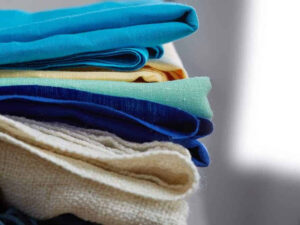
Fabric weight affects comfort, durability, drape, opacity, and the overall premium feel of a polo shirt.
At Fusionknits, GSM selection is one of the first technical discussions we have during product development.
Lightweight polo fabrics
Usually below 180 GSM.
Advantages:
- Cooler for hot weather
- Lower production cost
- Softer drape
- Suitable for promotional products
Limitations:
- Less durable
- More transparency
- Reduced collar structure
Midweight polo fabrics
Usually between 190-220 GSM.
This is the most versatile category because it balances:
- Comfort
- Durability
- Structure
- Cost efficiency
Most commercial retail polos use this weight range.
Heavyweight polo fabrics
Usually above 240 GSM.
Advantages include:
- Premium appearance
- Better structure
- Enhanced durability
- Improved collar support
However, heavyweight fabrics increase:
- Material cost
- Shipping weight
- Heat retention
Not every market prefers heavyweight polos, especially in warmer climates.
Which fabrics are best for embroidery and branding?
Branding quality is critical in polo shirt manufacturing. The wrong fabric can distort embroidery or reduce logo clarity.
Stable fabrics like cotton piqué and cotton-poly blends usually provide the best surface for embroidery because they maintain shape and support clean stitching.
In our embroidery department, fabric density and surface stability directly affect production quality.
Best fabrics for embroidery
| Fabric Type | Embroidery Performance |
|---|---|
| Cotton Piqué | Excellent |
| Poly-Cotton Piqué | Excellent |
| Jersey Cotton | Moderate |
| Lightweight Polyester | Less stable |
Problems caused by unstable fabrics
Thin or highly elastic fabrics may create:
- Puckering
- Needle marks
- Uneven stitching tension
- Distorted logos
These problems become more visible with larger chest logos.
Collar embroidery considerations
Collars require extra stability because they stretch frequently during wear.
To improve embroidery quality, manufacturers may use:
- Collar fusing
- High-density rib collars
- Stabilizing backing materials
These details help maintain a premium appearance after repeated washing.
How do sustainability trends affect polo fabric selection?
Sustainability is becoming increasingly important in global apparel sourcing. Many brands now prioritize environmentally responsible materials.

Organic cotton and recycled polyester are among the most common sustainable options for modern polo shirt manufacturing.
At Fusionknits, sustainable polo programs continue growing each year.
Organic cotton polo fabrics
Organic cotton offers:
- Reduced pesticide use
- Softer hand feel
- Better environmental positioning
However, production costs are usually higher than standard cotton.
Recycled polyester polo fabrics
Recycled polyester helps reduce plastic waste while maintaining strong durability.
Benefits include:
- Moisture-wicking performance
- Long-lasting shape retention
- Sustainability marketing advantages
Many sportswear brands now prefer recycled polyester for performance polo collections.
Manufacturing considerations for sustainable fabrics
Eco-friendly fabrics still require strict quality control.
Important testing areas include:
- Shrinkage stability
- Colorfastness
- Fabric recovery
- Yarn consistency
Sustainability alone does not guarantee premium quality. Manufacturing standards remain essential.
How should buyers choose the best polo fabric?
There is no single fabric solution for every polo project. The correct material depends on the product category, customer expectations, and intended use.
Buyers should evaluate polo fabrics based on comfort, durability, branding requirements, climate conditions, and price positioning before starting production.
At Fusionknits, we usually recommend defining the product goal before selecting fabrics.
Questions buyers should ask before fabric selection
- Is the polo designed for fashion or performance use?
- Will the garment require embroidery?
- Is softness or durability the priority?
- What is the target retail price?
- Which climate will the product sell in?
Recommended fabric choices by category
| Product Type | Recommended Fabric |
|---|---|
| Premium Retail Polo | 100% Cotton Piqué |
| Corporate Uniform Polo | Cotton-Poly Blend |
| Sports Polo | Performance Polyester |
| Promotional Polo | Polyester Blend |
| Luxury Heavyweight Polo | Heavy Cotton Piqué |
The right fabric selection reduces product complaints and improves long-term customer satisfaction.
Conclusion
Choosing the best fabric for a polo shirt is not only about appearance or softness. In professional apparel manufacturing, fabric selection influences comfort, durability, shrinkage control, moisture management, branding quality, and garment lifespan. Small differences in fiber composition, fabric weight, and knit construction can significantly affect how the final product performs after repeated wear and washing.
Cotton piqué remains the traditional choice for premium and fashion-focused polo shirts because of its breathable texture and structured appearance. Polyester fabrics provide stronger performance in activewear and uniforms where moisture-wicking, wrinkle resistance, and durability are priorities. Cotton-poly blends continue growing in popularity because they balance comfort, easy care, and production consistency across different market segments.
At Fusionknits, the best polo fabric depends entirely on the product goal and target customer. A successful polo program requires the right combination of material selection, fabric testing, garment construction, and finishing techniques. At Fusionknits, we believe fabric is the foundation of every high-quality polo shirt. Proper fabric development not only improves product performance but also strengthens brand value and long-term customer satisfaction.