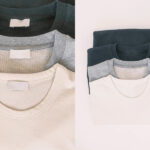
Many new apparel brands enter the market assuming hoodies are simple garments to manufacture. While hoodies may look straightforward compared to technical outerwear, their production costs can vary significantly depending on fabric quality, garment weight, construction complexity, customization, and production volume. Understanding these cost factors is essential for buyers, startups, and established brands that want to build profitable hoodie collections.
The cost to produce a hoodie typically ranges from $8 to $40 or more per piece, depending on fabric type, garment weight, labor costs, customization, trims, and production quantity. Basic fleece hoodies may cost as little as $8–$15 to manufacture, while premium heavyweight or luxury hoodies can exceed $30–$40 per unit.
At Fusionknits, we manufacture hoodies for fashion brands, activewear companies, and wholesale buyers worldwide. One of the most common questions we receive is how hoodie production costs are calculated and what factors influence the final price.
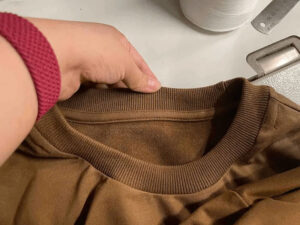
What factors determine the cost of producing a hoodie?
Many buyers assume fabric is the only cost component. In reality, hoodie manufacturing involves numerous cost elements.
The total production cost of a hoodie includes fabric, labor, trims, printing, embroidery, packaging, quality control, and logistics-related expenses.
Every decision during product development affects the final manufacturing price.
Main hoodie cost components
| Cost Component | Percentage of Total Cost |
|---|---|
| Fabric | 40-60% |
| Labor | 15-25% |
| Trims & Accessories | 5-10% |
| Printing/Embroidery | 5-15% |
| Packaging | 2-5% |
| Quality Control & Overhead | 5-10% |
Fabric remains the largest cost driver in most hoodie projects.
Why hoodie costs vary so much
Production costs depend on:
- Fabric quality
- Hoodie weight
- Customization level
- Country of manufacture
- Order quantity
- Brand requirements
Two hoodies may look similar but have dramatically different production costs.
How much does hoodie fabric cost?
Fabric is usually the most expensive component of a hoodie.

Hoodie fabric typically costs between $3 and $20 per garment, depending on material type, weight, and construction.
At Fusionknits, fabric selection is usually the first step in pricing calculations.
Common hoodie fabrics
| Fabric Type | Estimated Fabric Cost |
|---|---|
| Basic Cotton-Poly Fleece | $3-$5 |
| Midweight Fleece | $4-$8 |
| French Terry | $5-$10 |
| Organic Cotton Fleece | $8-$15 |
| Heavyweight Premium Fabric | $10-$20+ |
Premium materials increase both production cost and perceived value.
Why fabric weight matters
Fabric weight is measured in GSM.
Typical hoodie weights include:
- 280 GSM – Lightweight
- 320 GSM – Standard
- 380 GSM – Premium
- 450 GSM – Heavyweight
- 500 GSM+ – Luxury
Higher GSM fabrics require more yarn and more material consumption.
Why heavyweight hoodies cost more
Heavyweight fabrics require:
- More cotton
- More knitting time
- Increased dyeing costs
- Higher shipping weight
These factors increase overall production expenses.
How much labor is required to make a hoodie?
Hoodies are more complex than T-shirts because they contain multiple components.
Labor costs for hoodies generally range from $2 to $10 per garment depending on complexity, factory location, and quality standards.
A hoodie requires significantly more sewing operations than a basic T-shirt.
Typical sewing operations
- Shoulder joining
- Sleeve attachment
- Hood construction
- Pocket installation
- Rib cuff attachment
- Waistband attachment
- Drawcord insertion
Each step adds labor time.
Why hoodies require more labor
Compared to a T-shirt, hoodies include:
- Multiple panels
- Hoods
- Kangaroo pockets
- Rib trims
Additional components increase production complexity.
Labor cost comparison
| Garment | Relative Labor Cost |
|---|---|
| T-Shirt | Low |
| Polo Shirt | Medium |
| Sweatshirt | Medium |
| Hoodie | High |
This explains why hoodies cost more to manufacture.
How do hood styles affect production costs?
Not all hoodies are constructed the same way.
Pullover hoodies generally cost less to produce than zip-up hoodies because they require fewer components and sewing operations.
Design decisions influence manufacturing costs.

Common hoodie styles
| Style | Cost Level |
|---|---|
| Pullover Hoodie | Lower |
| Zip-Up Hoodie | Higher |
| Oversized Hoodie | Moderate |
| Heavyweight Hoodie | High |
| Technical Hoodie | Very High |
Complexity directly affects labor and material costs.
Why zip-up hoodies cost more
Zip-up hoodies require:
- Quality zippers
- Additional sewing operations
- More quality control
These elements increase manufacturing expenses.
How much do hoodie trims and accessories cost?
Trims often appear insignificant, but they contribute meaningfully to costs.
Drawcords, eyelets, zippers, labels, rib trims, and packaging typically add between $0.50 and $5.00 per hoodie.
Premium brands often invest heavily in trims.
Common hoodie accessories
- Drawstrings
- Metal eyelets
- Neck labels
- Care labels
- Hangtags
- Polybags
Every accessory contributes to the final cost.
Premium trim upgrades
Luxury hoodies may use:
- Metal cord tips
- Custom zippers
- Silicone labels
- Branded hardware
These details enhance perceived value.
How much do printing and embroidery add?
Customization is one of the largest variables in hoodie pricing.

Printing and embroidery can add anywhere from $1 to $15 or more per hoodie depending on artwork size, placement, and complexity.
At Fusionknits, customization often determines whether a hoodie becomes a budget product or a premium product.
Decoration methods
| Method | Cost Impact |
|---|---|
| Screen Printing | Low |
| Heat Transfer | Medium |
| Puff Printing | Medium |
| Embroidery | High |
| Appliqué | Very High |
Complex branding significantly increases production costs.
Why embroidery costs more
Embroidery requires:
- Additional machine time
- Digitization setup
- Thread consumption
Large embroidered designs increase labor costs substantially.
How does order quantity affect hoodie costs?
Production volume has a major impact on unit pricing.
Larger hoodie orders reduce the cost per piece because setup expenses are distributed across more garments.
Factories achieve greater efficiency at scale.
Example pricing effect
| Quantity | Estimated Cost Per Hoodie |
|---|---|
| 100 pcs | Highest |
| 500 pcs | Moderate |
| 1,000 pcs | Lower |
| 5,000 pcs | Much Lower |
| 10,000+ pcs | Best Efficiency |
Volume helps reduce manufacturing costs.
Why small orders cost more
Small production runs still require:
- Pattern setup
- Fabric sourcing
- Machine preparation
- Quality inspections
These fixed costs remain regardless of quantity.
How does manufacturing location affect costs?
Country of production strongly influences pricing.
Hoodies manufactured in China, Vietnam, Bangladesh, and Pakistan typically cost less than hoodies produced in North America or Europe.
Labor and operational costs vary significantly by region.
Manufacturing cost comparison
| Region | Cost Level |
|---|---|
| Bangladesh | Low |
| Pakistan | Low |
| Vietnam | Medium |
| China | Medium |
| USA | High |
| Europe | High |
Each region offers different advantages.
Why China remains competitive
China offers:
- Strong textile infrastructure
- Advanced manufacturing capabilities
- Reliable supply chains
These advantages offset rising labor costs.
Premium hoodies use better materials and construction methods.
A premium hoodie typically costs between $15 and $40 or more to manufacture depending on fabric quality, weight, and customization.
Luxury brands invest heavily in product quality.
Premium hoodie features
- Heavyweight cotton
- French Terry fabrics
- Double-layer hoods
- Premium trims
- Advanced finishing
These features increase both cost and value.
| Component | Cost |
|---|---|
| Fabric | $10-$20 |
| Labor | $4-$8 |
| Trims | $1-$3 |
| Finishing | $1-$4 |
| Packaging | $0.50-$2 |
| Total | $16-$37+ |
Premium construction requires greater investment.
Many new apparel brands underestimate non-production expenses.
Sampling, freight, import duties, testing, warehousing, and quality control can significantly increase the total cost of a hoodie program.
These costs impact profitability.
- Development samples
- Freight charges
- Customs duties
- Product testing
- Factory audits
- Warehousing
Ignoring these costs creates inaccurate budgets.
Why quality control matters
Quality inspections help reduce:
- Defects
- Returns
- Customer complaints
Investing in quality often saves money long-term.
How do brands calculate hoodie retail prices?
Manufacturing cost is only one component of retail pricing.
A hoodie costing $20 to produce may retail for $80 to $200 or more depending on branding, distribution, and marketing strategies.
Retail pricing reflects the entire business model.
Typical retail cost structure
| Expense Category | Percentage |
|---|---|
| Manufacturing | 20-30% |
| Logistics | 10-15% |
| Marketing | 15-30% |
| Retail Margin | 40-60% |
Premium brands often apply higher markups.
Retail prices include:
- Brand value
- Product development
- Marketing campaigns
- Customer service
- Inventory risk
Manufacturing is only one piece of the equation.
Conclusion
The cost to produce a hoodie typically ranges from $8 to $40 or more depending on fabric quality, garment weight, labor requirements, customization, and production volume. Fabric remains the largest cost component, followed by labor, trims, decoration, and finishing. Factors such as heavyweight materials, premium construction, embroidery, and luxury packaging can significantly increase manufacturing costs.
Successful hoodie development requires balancing quality, functionality, and budget. Brands that understand how fabric selection, construction methods, order quantity, and factory location affect production costs are better positioned to create competitive products and maintain healthy profit margins. While lower-cost hoodies may be suitable for promotional or entry-level markets, premium hoodies often justify higher manufacturing costs through improved comfort, durability, and customer satisfaction.
At Fusionknits, we believe the most successful hoodie programs are built on transparency and careful cost planning. By understanding the true cost structure behind hoodie production, brands can make smarter sourcing decisions, develop better products, and build long-term value in increasingly competitive apparel markets.