Choosing the right jacket material can be confusing. Some fabrics prioritize warmth, while others focus on durability, water resistance, or style. A jacket that performs well in winter may not be suitable for daily commuting, and a fashionable jacket may not provide the protection needed for outdoor activities. This is why consumers and apparel brands often ask the same question: what is the best jacket material?
There is no single best jacket material for every situation. Nylon is often the best choice for performance and outdoor jackets, wool excels in warmth, leather offers premium durability and style, while cotton and polyester blends provide versatility for everyday wear. The ideal material depends on climate, intended use, comfort requirements, and budget.
At Fusionknits, we work with brands developing outerwear collections for multiple markets. Fabric selection is one of the most important decisions during jacket development because it directly affects comfort, performance, durability, and customer satisfaction.
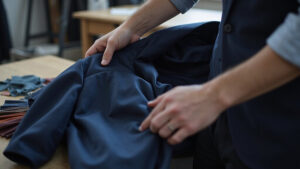
Why does jacket material matter so much?
Many consumers focus on the appearance of a jacket, but the material determines how it performs over time.
The jacket material influences warmth, weather resistance, breathability, durability, weight, and overall comfort.
Two jackets with identical designs can perform completely differently if they use different fabrics.
Key functions of jacket materials
| Function | Importance |
|---|---|
| Warmth | Very High |
| Durability | High |
| Weather Protection | High |
| Comfort | High |
| Weight | Medium |
| Maintenance | Medium |
The best jacket material balances these factors according to the intended use.
Questions buyers should ask
Before selecting a jacket material, consider:
- What weather conditions will the jacket face?
- Is warmth the primary goal?
- Will the jacket be used daily?
- Is water resistance important?
- What is the target retail price?
The answers help determine the most suitable fabric.
Is nylon the best material for performance jackets?
Nylon has become one of the most important fabrics in modern outerwear.

Nylon is often considered the best material for performance jackets because it is lightweight, durable, wind-resistant, and highly versatile.
Many outdoor and sportswear brands rely heavily on nylon.
Advantages of nylon
- Lightweight construction
- Excellent durability
- Wind resistance
- Quick drying
- Easy maintenance
These qualities make nylon suitable for active lifestyles.
Common nylon jacket categories
| Jacket Type | Nylon Usage |
|---|---|
| Windbreakers | Very High |
| Hiking Jackets | Very High |
| Running Jackets | High |
| Rain Jackets | High |
| Technical Outerwear | Very High |
Nylon performs exceptionally well in demanding conditions.
Why outdoor brands prefer nylon
Nylon offers:
- High strength-to-weight ratio
- Excellent abrasion resistance
- Long lifespan
- Compatibility with waterproof coatings
These benefits support outdoor performance.
Is polyester a good jacket material?
Polyester is another popular choice in the outerwear industry.
Polyester is an affordable and durable jacket material that offers good weather resistance, wrinkle resistance, and color retention.
Many commercial fashion brands use polyester extensively.
Benefits of polyester
- Lower production cost
- Durable performance
- Easy care
- Colorfastness
- Moisture resistance
These characteristics make polyester highly practical.
Polyester vs nylon
| Feature | Polyester | Nylon |
|---|---|---|
| Cost | Lower | Higher |
| Durability | High | Very High |
| Softness | Moderate | Higher |
| Water Resistance | Good | Excellent |
Both materials are excellent choices depending on the application.
Is wool the best material for winter jackets?
When warmth becomes the top priority, wool enters the conversation.
Wool is one of the best jacket materials for cold weather because it provides natural insulation, temperature regulation, and long-lasting comfort.
Wool has been used in outerwear for centuries.
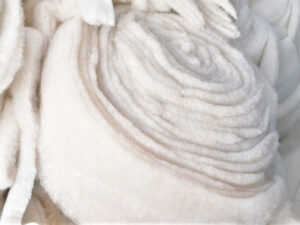
Advantages of wool
- Excellent insulation
- Breathability
- Moisture management
- Natural odor resistance
These benefits make wool ideal for winter garments.
Popular wool jacket types
- Pea coats
- Overcoats
- Wool bombers
- Tailored outerwear
Wool remains a premium winter fabric.
Why wool remains popular
Unlike many synthetic materials, wool:
- Retains warmth when damp
- Regulates body temperature naturally
- Offers timeless style
These qualities keep wool relevant today.
Is leather the best material for durability?
Leather jackets have maintained their popularity for decades.
Leather is one of the most durable and stylish jacket materials available, making it a favorite for luxury and heritage outerwear.
Few materials age as gracefully as leather.
Advantages of leather
- Exceptional durability
- Premium appearance
- Natural wind resistance
- Long product lifespan
Many leather jackets last for decades.
Common leather types
| Leather Type | Characteristics |
|---|---|
| Cowhide | Strong and durable |
| Lambskin | Soft and luxurious |
| Goatskin | Lightweight and flexible |
Each leather serves different consumer needs.
Challenges of leather
Leather also has limitations:
- Higher cost
- Greater weight
- Specialized maintenance
These factors affect purchasing decisions.
Is cotton a good material for jackets?
Cotton remains one of the most widely used natural fibers in apparel.

Cotton is an excellent material for casual jackets because it is breathable, comfortable, and versatile.
Many lifestyle and fashion jackets rely on cotton fabrics.
Benefits of cotton
- Natural comfort
- Breathability
- Soft hand feel
- Easy customization
Consumers appreciate cotton's familiarity.
Popular cotton jacket fabrics
| Fabric | Common Application |
|---|---|
| Cotton Twill | Casual jackets |
| Cotton Canvas | Workwear |
| Cotton Sateen | Fashion outerwear |
| Waxed Cotton | Outdoor jackets |
Each fabric offers distinct performance characteristics.
Limitations of cotton
Compared with synthetics:
- Absorbs moisture
- Dries slowly
- Offers less weather resistance
These factors should be considered carefully.
Are blended fabrics the best overall solution?
Modern fabric technology often combines multiple fibers.
Blended fabrics frequently offer the best balance of comfort, durability, performance, and cost because they combine the strengths of different materials.
Many modern jackets rely on blends.
Common jacket blends
| Blend | Main Benefit |
|---|---|
| Cotton-Polyester | Comfort and durability |
| Wool-Nylon | Warmth and strength |
| Polyester-Spandex | Mobility and comfort |
| Cotton-Nylon | Durability and breathability |
Blends often outperform single-fiber fabrics.
Why manufacturers use blends
Blended fabrics improve:
- Shape retention
- Moisture management
- Durability
- Cost efficiency
This flexibility appeals to apparel brands.
Which material is best for waterproof jackets?
Weather protection requires specialized materials.
Nylon and polyester with waterproof membranes or coatings are the best materials for waterproof jackets.
These fabrics form the foundation of modern rainwear.
Waterproof fabric technologies
- PU coatings
- TPU laminations
- Waterproof membranes
- Durable water repellent finishes
Technology often matters more than the base fiber.
Common waterproof jackets
| Jacket Type | Typical Material |
|---|---|
| Rain Jacket | Nylon |
| Shell Jacket | Nylon-Polyester |
| Hiking Jacket | Laminated Nylon |
| Urban Raincoat | Polyester |
Fabric treatments significantly affect performance.
Which material is best for lightweight jackets?
Not all jackets are designed for cold weather.
Nylon and lightweight polyester fabrics are ideal for lightweight jackets because they provide protection without excessive bulk.
These materials are popular in spring and summer collections.
Characteristics of lightweight jackets
- Easy to pack
- Comfortable for travel
- Breathable
- Layer-friendly
Consumers often prioritize versatility.
Lightweight material comparison
| Material | Weight |
|---|---|
| Nylon | Very Light |
| Polyester | Light |
| Cotton | Moderate |
| Wool | Heavy |
Weight influences comfort and usability.
Are sustainable jacket materials becoming more important?
Sustainability continues to influence apparel development.
Recycled polyester, recycled nylon, organic cotton, and responsible wool are becoming increasingly important jacket materials.
Consumers now pay closer attention to environmental impact.
Popular sustainable options
- Recycled polyester
- Recycled nylon
- Organic cotton
- Recycled wool
Many brands are expanding sustainable collections.
Why sustainability matters
Consumers increasingly value:
- Ethical sourcing
- Environmental responsibility
- Product transparency
This trend continues to grow globally.
How should brands choose the best jacket material?
There is no universal answer because every jacket serves a different purpose.
The best jacket material depends on the intended use, target customer, climate, performance requirements, and budget.
At Fusionknits, we always begin product development by understanding how the jacket will be used.
Recommended materials by jacket category
| Jacket Type | Best Material |
|---|---|
| Performance Jacket | Nylon |
| Rain Jacket | Waterproof Nylon |
| Winter Coat | Wool |
| Luxury Jacket | Leather |
| Casual Jacket | Cotton Twill |
| Sustainable Jacket | Recycled Polyester |
Matching material to purpose leads to better products.
Common sourcing mistakes
Brands should avoid:
- Choosing based only on cost
- Ignoring climate conditions
- Overlooking maintenance requirements
- Selecting unsuitable fabric weights
Proper planning improves customer satisfaction.
Conclusion
The best jacket material depends entirely on the purpose of the garment. Nylon stands out as the most versatile option for performance and outdoor jackets due to its durability, lightweight construction, and weather resistance. Wool remains one of the best choices for warmth and winter protection, while leather continues to represent premium durability and timeless style. Cotton provides comfort and breathability for casual jackets, and polyester offers a practical balance of affordability and performance.
Modern jacket development increasingly relies on blended fabrics and advanced textile technologies. Waterproof membranes, recycled materials, and performance-enhancing finishes allow manufacturers to create jackets that meet highly specific consumer needs. In many cases, the best solution is not a single fiber but a carefully engineered combination of materials designed to optimize comfort, protection, and durability.
At Fusionknits, we believe successful outerwear starts with selecting the right material for the intended application. Brands that align fabric choice with customer expectations, environmental conditions, and product positioning are more likely to create jackets that perform well, maintain quality over time, and achieve long-term commercial success.