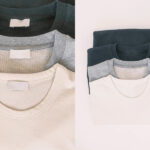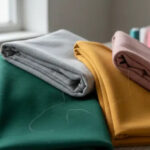
Sweaters are a cornerstone of fall and winter apparel, blending comfort, warmth, and style. While consumers often focus on design, color, or fit, few consider the intricate processes that go into making a high-quality sweater. Understanding how companies make sweaters provides insights into material selection, production techniques, and quality control that determine the final garment’s performance and longevity.
Companies make sweaters through a multi-step process involving fiber selection, yarn production, knitting or weaving, dyeing, finishing, and quality control. Materials can range from natural fibers like wool, cotton, or cashmere to synthetic fibers such as acrylic or polyester, often blended for performance, durability, and cost efficiency.
At Fusionknits, we produce sweaters for global brands, wholesalers, and private-label clients. Knowledge of sweater manufacturing helps brands design better products, manage costs, and ensure consistent quality.
What Materials Are Used in Sweaters?
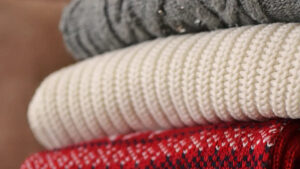
The choice of material is the foundation of any sweater.
Natural fibers like wool, cotton, and cashmere are prized for warmth and softness, while synthetic fibers like acrylic, polyester, and blends improve durability, elasticity, and affordability.
Different fibers are chosen based on garment function, price, and target market.
Common fibers
| Fiber | Characteristics | Use Case |
|---|---|---|
| Wool | Insulating, durable, slightly elastic | Winter sweaters, premium garments |
| Cashmere | Soft, luxurious, lightweight | High-end fashion sweaters |
| Cotton | Breathable, soft, moderate warmth | Casual sweaters, layering pieces |
| Acrylic | Lightweight, synthetic warmth | Affordable sweaters, color versatility |
| Polyester | Durable, wrinkle-resistant | Blended sweaters, performance wear |
Blends often combine natural and synthetic fibers to balance comfort, performance, and cost.
Why fiber selection matters
The fiber determines:
- Warmth and insulation
- Texture and hand feel
- Durability and pilling resistance
- Care requirements
- Price point and consumer perception
A careful selection ensures both functionality and consumer satisfaction.
How Are Yarns Produced?
Once fibers are selected, they are transformed into yarn.

Yarn production involves cleaning, carding, combing, spinning, and sometimes plying multiple strands to achieve desired thickness, strength, and texture.
This stage affects the garment’s durability and feel.
Yarn production steps
- Cleaning: Remove impurities and short fibers.
- Carding: Align fibers and form a thin web.
- Combing: Optional step for long staple fibers for smoother yarn.
- Spinning: Twist fibers into continuous yarn strands.
- Plying: Combine multiple yarns for thickness or strength.
Yarn types
- Worsted yarns: Smooth, strong, ideal for fine sweaters
- Woolen yarns: Soft, fluffy, insulating
- Blended yarns: Combine fibers for cost, durability, or performance
High-quality yarns are critical for long-lasting sweaters.
What Knitting Methods Are Used?
Sweaters can be produced using different knitting techniques.
Companies typically use either hand knitting, machine knitting, or circular knitting machines, depending on volume, complexity, and style.
The knitting method influences texture, stretch, and design.
Knitting techniques
| Technique | Characteristics | Use Case |
|---|---|---|
| Hand knitting | Custom patterns, artisanal | Small-batch, luxury |
| Flatbed knitting | Machine-based, versatile | Medium to large-scale production |
| Circular knitting | Seamless tubes, efficient | Mass-market sweaters |
| Jacquard or intarsia | Complex color patterns | Designer or patterned sweaters |
Each technique affects the garment’s appearance, elasticity, and cost.
Why knitting matters
The knitting method influences:
- Stretch and fit
- Pattern complexity
- Production speed
- Seam visibility
- Consumer perception of quality
Choosing the right technique is essential for both functionality and style.
How Are Sweaters Dyed?
Color is a key aspect of sweater appeal.
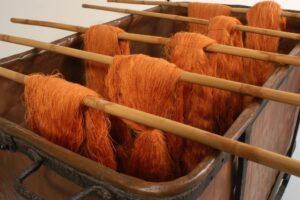
Sweaters can be dyed at the fiber, yarn, or finished garment stage. Dyeing impacts colorfastness, vibrancy, and fabric performance.
Specialized dyes may be used for wool, cotton, or synthetic fibers.
Dyeing methods
- Fiber dyeing: Before spinning, yields vibrant, long-lasting color
- Yarn dyeing: Dyed after spinning, ideal for striped or patterned sweaters
- Piece dyeing: Dyed after knitting, flexible for fashion collections
- Print dyeing: For patterns, logos, or motifs
Each method has trade-offs between cost, precision, and color quality.
Why dyeing is critical
Color affects:
- Consumer appeal
- Matching in collections
- Fade resistance during washing
- Brand perception
Proper dye selection and process ensures consistency.
How Are Sweaters Finished?
Finishing steps improve appearance, feel, and durability.
Finishing processes include blocking, steaming, brushing, washing, and trimming loose threads.
High-quality finishing differentiates premium garments from mass-produced options.
Common finishing steps
- Blocking: Shape garment to final dimensions
- Steaming: Smooth out wrinkles and stabilize fibers
- Brushing: Enhance softness and loft
- Trimming: Remove loose threads and imperfections
- Quality inspection: Check for defects and consistency
Finishing ensures consumer-ready products with desirable aesthetics.
Why finishing matters
- Determines final hand feel
- Improves fit and drape
- Reduces pilling and shrinkage
- Enhances visual quality
Effective finishing boosts perceived and actual value.
How Are Sweaters Packaged and Distributed?
Once completed, sweaters are prepared for distribution.

Packaging protects garments during transit and provides branding opportunities.
Companies also consider shipping, warehousing, and retail requirements.
Packaging considerations
- Folded vs hanging
- Protective polybags
- Labeling and tagging
- Branding and presentation
Distribution strategy affects logistics efficiency and retail experience.
Global manufacturing and distribution
Sweaters are often produced in countries such as:
- China: Large-scale manufacturing, cost-effective production
- Vietnam: Skilled workforce, quality mid-range products
- Bangladesh: Affordable labor, bulk production
- Turkey: High-quality wool products for European markets
Manufacturing location impacts lead time, costs, and quality standards.
How Do Companies Ensure Quality?
Quality control is vital for sweater production.
Companies perform inspections at multiple stages: yarn, knitting, dyeing, finishing, and packaging.
Quality measures reduce defects, returns, and customer dissatisfaction.
Quality control checkpoints
- Fiber and yarn inspection
- Knit structure evaluation
- Color consistency checks
- Finishing assessment
- Final product inspection
Quality processes ensure consumer trust and brand reputation.
Are There Differences Between Machine-Made and Hand-Knit Sweaters?
Production scale affects design and craftsmanship.
Hand-knit sweaters allow for intricate patterns and artisanal appeal, while machine-knit sweaters enable large-scale, cost-efficient production.
Both approaches serve different market segments.
Comparison table
| Feature | Hand-Knit | Machine-Knit |
|---|---|---|
| Detail & Customization | Excellent | Moderate |
| Speed | Slow | Fast |
| Cost | High | Moderate-Low |
| Consistency | Variable | Very Consistent |
| Durability | High | Moderate-High |
Hand-knitted sweaters often target premium markets, while machine-knits dominate mass-market apparel.
How Do Sustainability Concerns Affect Sweater Production?
Sustainable production is becoming a priority in apparel manufacturing.
Brands increasingly use organic fibers, recycled yarns, and low-impact dyeing techniques to reduce environmental impact.
Consumers are willing to pay a premium for sustainable options.
Sustainable practices
- Organic cotton or wool
- Recycled synthetic yarns
- Eco-friendly dyes and finishing
- Energy-efficient manufacturing
Sustainability can enhance brand reputation and appeal to eco-conscious consumers.
How Do Companies Innovate Sweater Production?
Innovation enhances comfort, style, and functionality.
Companies experiment with blended fibers, seamless knitting, moisture-wicking treatments, and temperature-regulating technologies.
Innovation ensures competitiveness and relevance in fashion and performance markets.
Modern innovations
- Technical performance sweaters for outdoor activities
- Blended fibers for stretch and recovery
- Seamless designs for comfort and aesthetic
- Temperature-regulating or quick-dry fabrics
Innovation allows sweaters to serve multiple purposes beyond traditional warmth.
Conclusion
Sweaters are produced through a detailed, multi-step process that begins with selecting high-quality fibers such as wool, cotton, cashmere, or synthetic blends. Fibers are spun into yarn, knitted using hand or machine methods, dyed, finished, and inspected for quality before packaging. The manufacturing process involves choices in materials, knitting techniques, dyeing methods, and finishing steps that directly impact comfort, durability, and aesthetic appeal.
Companies balance quality, cost, and production scale, often manufacturing in countries with skilled labor and established textile infrastructure such as China, Vietnam, Bangladesh, or Turkey. Advances in sustainable practices and technical innovations allow modern sweaters to meet performance, comfort, and environmental expectations.
At Fusionknits, we emphasize that understanding the entire sweater production process is essential for brands aiming to deliver high-quality garments. From fiber selection to final finishing, each stage influences the final product’s performance, longevity, and consumer appeal. High-quality sweaters combine meticulous craftsmanship, superior materials, and rigorous quality control to ensure that every garment meets market expectations and provides lasting satisfaction for consumers.