
Joggers have become one of the most popular apparel categories in modern fashion. They are worn for sports, travel, casual outings, and even workplace environments where dress codes have become more relaxed. Despite their widespread popularity, many consumers and apparel buyers still ask a simple question: where did joggers actually come from?
Joggers originated in France during the early 20th century when French sportswear manufacturers helped popularize knitted athletic pants designed for runners and athletes. Over time, these garments evolved into modern joggers through innovations in sportswear manufacturing, fabric technology, and changing fashion trends.
Today, joggers are produced worldwide, but their roots can be traced back to the development of athletic apparel in Europe. Understanding the history of joggers helps apparel brands better understand consumer demand, product development, and future market trends.
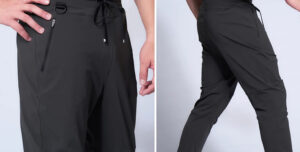
What Were Joggers Originally Designed For?
Modern joggers look very different from their early predecessors.
The original purpose of joggers was to provide athletes with comfortable, flexible pants that allowed unrestricted movement during training and exercise.
Before joggers existed, athletes often trained in wool trousers or loose-fitting garments that restricted mobility.
Early athletic apparel challenges
Athletes faced several problems:
- Limited flexibility
- Heavy fabrics
- Poor moisture management
- Slow drying times
- Uncomfortable fits
Manufacturers needed a better solution.
Why sportswear evolved
Several factors drove innovation:
| Challenge | Solution |
|---|---|
| Heavy clothing | Lightweight knits |
| Limited movement | Stretchable fabrics |
| Poor comfort | Softer materials |
| Cold weather training | Insulated athletic wear |
These improvements eventually led to the development of early sweatpants and joggers.
The rise of athletic fashion
As sports became more popular during the early 1900s, demand for specialized sportswear increased dramatically. This encouraged manufacturers to invest in new fabrics and garment designs.
Why Is France Often Associated With the Origin of Joggers?
France played an important role in the development of modern athletic apparel.

French sportswear manufacturers were among the first companies to produce lightweight knitted athletic pants specifically designed for sports and exercise.
One company is often mentioned in discussions about jogger origins.
The role of Le Coq Sportif
Founded in France in 1882, Le Coq Sportif became known for producing athletic clothing. The company helped popularize:
- Sports jerseys
- Athletic shorts
- Training pants
- Early sweatpants
These products laid the foundation for modern joggers.
Why France influenced sportswear
Several factors contributed:
- Growing interest in athletics
- Textile innovation
- Knitting technology advancements
- Expanding sports culture
France became an early center for sportswear development.
Did France invent modern joggers?
Not exactly. France helped establish the concept of athletic training pants. Modern joggers evolved through contributions from multiple countries over many decades.
How Did Sweatpants Become Joggers?
Many consumers assume sweatpants and joggers are identical. They are related, but not the same.
Joggers evolved from traditional sweatpants by incorporating slimmer fits, tapered legs, elastic cuffs, and more fashionable silhouettes. This transformation occurred gradually.
Traditional sweatpants characteristics
Early sweatpants featured:
- Loose legs
- Heavy cotton fleece
- Wide fit
- Minimal styling
Modern jogger characteristics
Joggers typically include:
- Tapered legs
- Ribbed ankle cuffs
- Lightweight fabrics
- Athletic-inspired design
Product comparison
| Feature | Sweatpants | Joggers |
|---|---|---|
| Fit | Loose | Tapered |
| Ankle Opening | Open | Elastic Cuff |
| Fashion Appeal | Moderate | High |
| Athletic Use | High | High |
| Casual Use | Moderate | Very High |
These changes expanded joggers beyond sports.
Which Countries Helped Popularize Joggers?
Although France contributed to their origins, other countries helped turn joggers into a global phenomenon.
The United States, United Kingdom, Japan, South Korea, and China all played important roles in the evolution and popularity of joggers.
Each market influenced jogger design differently.

United States
American brands contributed:
- Sportswear innovation
- Fleece technology
- Athletic marketing
United Kingdom
British fashion introduced:
- Slimmer fits
- Streetwear influences
- Casual lifestyle styling
Japan
Japanese brands promoted:
- Technical fabrics
- Minimalist design
- Premium craftsmanship
South Korea
Korean fashion encouraged:
- Modern silhouettes
- Trend-focused styling
- Youth-driven demand
China
China became:
- A major manufacturing hub
- A fabric innovation center
- A key supplier for global brands
Together, these countries shaped today's jogger market.
Why Did Joggers Become So Popular?
Fashion trends constantly evolve, but joggers have maintained popularity for years.
Joggers became popular because they combine comfort, functionality, and style in a single garment.
Few apparel categories offer this combination.
Consumer benefits
Joggers provide:
- Comfort
- Versatility
- Easy movement
- Modern appearance
Lifestyle changes
Several trends increased demand:
| Trend | Impact |
|---|---|
| Athleisure | Very High |
| Remote Work | High |
| Fitness Culture | High |
| Casual Fashion | Very High |
These trends transformed joggers from sportswear into everyday apparel.
The rise of athleisure
Athleisure blurred the line between:
- Athletic clothing
- Casual fashion
- Lifestyle apparel
Joggers became one of the biggest beneficiaries of this trend.
What Materials Are Modern Joggers Made From?
Fabric selection significantly influences performance.

Modern joggers are commonly made from cotton, polyester, fleece, French terry, nylon blends, and performance fabrics depending on their intended use.
Material choice affects comfort and durability.
Common jogger fabrics
| Material | Benefits |
|---|---|
| Cotton | Soft and breathable |
| Polyester | Durable and wrinkle-resistant |
| Fleece | Warm and comfortable |
| French Terry | Lightweight comfort |
| Nylon Blend | Performance and stretch |
Each fabric serves different consumer needs.
Manufacturing considerations
Fabric selection affects:
- Production costs
- Durability
- Appearance
- Consumer satisfaction
Manufacturers must balance these factors carefully.
Where Are Most Joggers Manufactured Today?
Modern apparel manufacturing is highly globalized.
Most joggers are currently manufactured in China, Vietnam, Bangladesh, India, Pakistan, and Turkey due to their established textile industries and large-scale production capabilities.
These countries dominate apparel production.
Major manufacturing regions
| Country | Strength |
|---|---|
| China | Scale and efficiency |
| Vietnam | Quality manufacturing |
| Bangladesh | Competitive pricing |
| India | Cotton production |
| Pakistan | Textile expertise |
| Turkey | Fast European supply chain |
Each country offers unique advantages.
Why brands source globally
Global sourcing allows brands to optimize:
- Cost
- Quality
- Lead times
- Material availability
This creates a more efficient supply chain and reflects the growth of global apparel manufacturing.
How Have Joggers Changed Over Time?
Joggers continue to evolve.
Modern joggers have expanded from athletic wear into fashion, luxury, travel, and even business-casual categories.
Today's consumers expect more from their clothing.
Modern jogger innovations
Manufacturers now incorporate:
- Stretch fabrics
- Moisture-wicking technology
- Recycled fibers
- Sustainable materials
Emerging trends
Performance joggers
Designed for:
- Running
- Training
- Outdoor activities
Lifestyle joggers
Designed for:
- Daily wear
- Travel
- Remote work
Luxury joggers
Designed for:
- Premium fashion
- High-end retail markets
These categories continue to grow.
How Should Apparel Brands Develop Jogger Products?
Understanding the history of joggers helps brands create better products.
Successful jogger collections combine comfort, modern styling, quality materials, and market-specific features that align with consumer expectations.
Product development should focus on functionality and versatility.
Key design considerations
Brands should evaluate:
- Fabric selection
- Fit profile
- End-use requirements
- Market trends
Recommended strategies
| Market Segment | Jogger Style |
|---|---|
| Athleisure | Performance Joggers |
| Streetwear | Relaxed Joggers |
| Premium Fashion | Luxury Joggers |
| Travel Apparel | Lightweight Joggers |
| Activewear | Technical Joggers |
A clear target market leads to stronger product positioning.
Conclusion
Joggers originated from early athletic training pants that emerged in France during the early development of modern sportswear. French manufacturers helped establish the foundation for athletic knit pants, while countries such as the United States, United Kingdom, Japan, South Korea, and China contributed to their evolution into the globally popular garment seen today.
Over time, joggers transformed from basic sportswear into one of the most versatile apparel categories in the industry. Advances in fabrics, manufacturing techniques, and consumer lifestyle preferences allowed joggers to move beyond the gym and become an everyday wardrobe essential. Today, joggers are produced worldwide and serve markets ranging from athletic performance and streetwear to luxury fashion and travel apparel.
At Fusionknits, understanding the history and development of joggers provides valuable insights into consumer behavior and product innovation. The most successful jogger collections continue to balance comfort, functionality, style, and quality while adapting to changing market demands.