The term “cardigan” can vary in meaning and usage across regions, including the United States. Understanding regional terminology is crucial for manufacturing, marketing, and selling garments internationally.
In America, a cardigan is universally called a "cardigan," typically referring to a knitted, button-front or open-front sweater. Variations in style, fabric, and target audience influence how brands market this garment in different states and for different demographics.
Fusionknits produces cardigans for wholesale brands across North America, Europe, and Australia. Regional terminology affects labeling, marketing descriptions, and fabric choice, making it essential for B2B and retail clients to understand American usage.
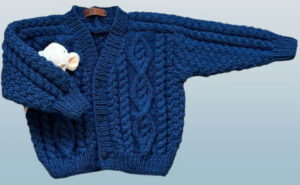
How Did the Term “Cardigan” Originate?
The term originates from the 19th century, named after James Brudenell, 7th Earl of Cardigan. The garment was initially a military wool coat.
American adoption of the term "cardigan" came from British fashion influence. Over time, it became a general term for buttoned or open-front knitted sweaters suitable for casual and semi-formal wear.
Historical context
- Origin: British military uniform in the 1850s
- Introduction to America: late 19th century through fashion imports
- Evolution: Military coat → Knitted sweater for men → Casual and women's wear
Manufacturing implication
Understanding historical origin is helpful for designing traditional, luxury, or heritage-inspired cardigans for wholesale clients seeking authenticity.
What Does “Cardigan” Mean in Modern American English?
In the U.S., “cardigan” refers to a knitted garment with a front opening. It can have buttons, a zipper, or be open-front style.

Cardigans are versatile garments in American fashion, used in casual, professional, and formal contexts. They differ in weight, material, and silhouette, depending on target market and season.
Common features
- Knitted construction (cotton, wool, cashmere, blends)
- Button-front, zip, or open-front style
- Ribbed cuffs and hem
- Varied lengths: cropped, standard, or longline
American market segments
| Segment | Popular Style | Fabric Preference |
|---|---|---|
| Casual wear | Lightweight cotton or cotton blends | Breathable and easy-care |
| Office wear | Merino wool or wool blends | Structured and polished |
| Luxury fashion | Cashmere or cashmere blends | Soft hand feel and premium look |
| Active layering | Technical blends | Stretch and moisture management |
Are There Regional Differences in What Americans Call a Cardigan?
While the term “cardigan” is widely recognized in the U.S., regional preferences affect marketing, naming, and styling.
In some areas, especially fashion-focused cities, terms like “sweater jacket” or “button-front sweater” may appear in descriptions, but “cardigan” remains the standard industry term.
Regional insights
| Region | Alternate Terms | Notes |
|---|---|---|
| Northeast | Button-front sweater | Common in catalogs for heritage brands |
| West Coast | Sweater or lightweight sweater | Focus on layering and casual use |
| Midwest | Cardigan | Standard in wholesale and retail stores |
| Southern states | Sweater vest (for sleeveless versions) | Specific naming for sleeveless cardigans |
Manufacturing and labeling must consider these nuances to avoid confusion in wholesale and retail contexts.
How Do Fabric Choices Influence Cardigans in the American Market?
Fabric directly affects comfort, durability, drape, and styling. The American market demands functional and aesthetic fabrics tailored to climate, consumer preference, and fashion trends.
Popular fabrics include cotton, wool, cashmere, and blends. Blends often improve durability, shape retention, and care while maintaining softness.

Common fabric options
| Fabric | Benefits | Typical Use in America |
|---|---|---|
| Cotton | Soft, breathable, machine washable | Spring/summer casual wear |
| Wool | Warm, insulating, resilient | Fall/winter layering |
| Cashmere | Luxurious, soft, lightweight | High-end, luxury cardigans |
| Blends (cotton-polyester, wool-nylon) | Durability, shape retention, easy-care | Mass-market wholesale, everyday use |
Dive Deeper
- Cotton cardigans: favored in office or casual settings, lightweight and versatile
- Wool cardigans: preferred in cooler states like New England or Midwest for layering
- Cashmere: niche market in high-end urban areas such as New York and Los Angeles
- Blends: dominant in wholesale markets for cost-efficiency, durability, and consistent sizing
How Do Cardigan Styles Vary in America?
American consumers expect a variety of cardigan silhouettes. Manufacturers must align product design with market demand.
Styles vary by front closure, length, fit, and knit pattern, influencing material choice and production method.
Popular styles
- Classic button-front
- Open-front draped cardigan
- Zippered cardigan
- Cropped or longline
- Sleeveless cardigan or sweater vest
Material and production considerations
- Button-front cardigans require stable knitting to prevent sagging
- Open-front styles use softer, drapey fabrics like cashmere or modal blends
- Zippered cardigans need reinforced seams and durable blends
- Sleeveless versions rely on lightweight cotton or cotton blends for summer markets
How Does Cardigan Terminology Affect Wholesale Marketing in the U.S.?
Understanding terminology ensures accurate labeling and product descriptions in catalogs, e-commerce, and trade shows.

Using “cardigan” in American marketing communicates style clearly to retailers and end consumers, reducing misinterpretation and returns.
Labeling recommendations
- Product title: “Classic Cotton Cardigan” or “Merino Wool Cardigan”
- Description: Include closure type, fabric, and fit
- Marketing channels: Emphasize versatility for layering or seasonal styling
Dive Deeper
Accurate terminology helps brands compete in the U.S. wholesale market by:
- Reducing confusion with jackets, pullovers, and sweater vests
- Highlighting material and functional benefits
- Supporting SEO in online marketplaces like Alibaba, LinkedIn, or Amazon
What Are Emerging Trends in American Cardigans?
American cardigan trends focus on comfort, layering, sustainability, and versatility.
Manufacturers are seeing demand for eco-friendly fabrics, relaxed silhouettes, oversized fits, and technical blends for performance layering.
Trend examples
- Organic cotton blends for sustainability
- Oversized or slouchy cardigans for casual streetwear
- Lightweight blends for layering in transitional seasons
- Technical knits for moisture management and stretch
These trends guide material selection, knitting techniques, and wholesale product planning.
How Should Manufacturers Choose the Right Material for American Cardigans?
Material selection must balance comfort, durability, market trends, and cost-efficiency.
Optimal material choice depends on target customer, climate, season, and price segment. Blends often provide the best combination of softness, durability, and ease of care for mass-market and wholesale production.
Selection framework
- Target use: casual, office, luxury, or layering
- Fabric preference: natural, synthetic, or blended
- Season and climate: lightweight, medium-weight, or heavyweight
- Durability and care: machine-washable vs. dry-clean
- Consumer expectations: softness, stretch, and drape
| Priority | Recommended Material |
|---|---|
| Maximum comfort | 100% cotton, cashmere, or wool |
| Durability | Wool-nylon, cotton-polyester blends |
| Luxury appeal | Cashmere blends |
| Cost efficiency | Cotton-polyester or wool-acrylic blends |
| Seasonal suitability | Lightweight cotton blends for summer, medium/heavy wool blends for winter |
How Is Quality Controlled for Cardigans in the U.S. Market?
Pre-production testing ensures cardigans meet American wholesale standards. Fusionknits evaluates every batch for quality and consistency.
Tests include shrinkage, stretch, pilling resistance, colorfastness, and fit stability.
Testing checklist
- Wash tests: evaluate shrinkage and dimensional stability
- Stretch and recovery: cuffs, hems, and collars
- Pilling resistance: simulate wear over time
- Colorfastness: repeated washing and light exposure
- Fit assessment: ensure consistent sizing and drape
This guarantees cardigans retain appearance, shape, and quality for wholesale clients.
Conclusion
In America, the term “cardigan” universally describes a knitted, front-opening sweater with button, zipper, or open-front design. While regional naming variations exist, “cardigan” is the standard term in wholesale and retail contexts. Material choice is critical for meeting American consumer expectations, influencing comfort, durability, drape, and performance. Natural fibers like cotton, wool, and cashmere offer premium feel and softness, while blends improve durability, shrinkage control, and ease of care.
Styles vary across regions, markets, and seasons, requiring manufacturers to consider front closure, knit technique, weight, and silhouette. Emerging trends emphasize sustainability, layering versatility, and technical performance. Pre-production testing—including shrinkage, stretch, pilling, and colorfastness—is essential to deliver consistent quality for wholesale buyers.
Fusionknits applies this expertise to produce cardigans that meet diverse American market demands, balancing comfort, functionality, and durability. Choosing the right material, knit, and weight ensures wholesale clients receive products that satisfy end consumers and align with market trends, ultimately enhancing brand reputation and reducing returns.