Leather jackets have remained one of the most iconic outerwear categories for decades. They are associated with durability, timeless style, and premium quality. However, when buyers search for the best leather jacket brands, they often focus on famous names rather than the factors that truly determine quality.
Good leather jacket brands combine premium leather, skilled craftsmanship, durable hardware, and strict quality control. While luxury and heritage brands often set industry standards, the best choice depends on leather quality, construction methods, intended use, and budget.
At Fusionknits, evaluating a leather jacket goes far beyond the logo on the label. Material selection, pattern development, stitching quality, hardware durability, and production consistency all contribute to the overall value of a leather jacket.
What Makes a Leather Jacket Brand Good?
Many consumers assume that a well-known brand automatically guarantees quality. In reality, manufacturing standards are often a more reliable indicator than brand recognition alone.
A good leather jacket brand is defined by the quality of its leather, construction techniques, durability, fit consistency, and long-term performance rather than marketing alone.
Key characteristics of quality brands
- Premium leather sourcing
- Strong stitching construction
- Durable zippers and hardware
- Consistent sizing
- Reliable quality control
Important quality indicators
| Factor | Why It Matters |
|---|---|
| Leather Quality | Determines durability and appearance |
| Stitching | Affects strength and lifespan |
| Hardware | Influences functionality |
| Fit | Impacts comfort and wearability |
| Quality Control | Ensures consistency across production |
The most respected brands consistently perform well across all of these categories.
Which Luxury Brands Are Known for High-Quality Leather Jackets?
Luxury fashion houses are often recognized for their craftsmanship and material selection.

Luxury leather jacket brands typically use premium-grade leather, advanced construction methods, and refined detailing to create high-end products.
Popular luxury leather jacket brands
| Brand | Known For |
|---|---|
| Saint Laurent | Slim silhouettes and luxury lambskin |
| Tom Ford | Premium materials and tailoring |
| Brunello Cucinelli | Sophisticated craftsmanship |
| Bottega Veneta | Luxury leather expertise |
Premium leather sourcing
Luxury brands often use:
- Full-grain leather
- Premium lambskin
- Carefully selected calfskin
Advanced craftsmanship
Many luxury jackets feature:
- Hand-finished details
- Precision stitching
- Custom-developed hardware
Limited production runs
Smaller production quantities often allow for greater attention to quality.
However, luxury pricing also includes branding, marketing, and retail markups.
Which Heritage Brands Have Built Strong Leather Jacket Reputations?
Some of the most respected leather jacket brands have been producing outerwear for decades.
Heritage brands are known for timeless designs, proven construction methods, and long-lasting durability.
Leading heritage leather jacket brands
| Brand | Specialty |
|---|---|
| Schott NYC | Motorcycle jackets |
| Aero Leather Clothing | Vintage-inspired jackets |
| Belstaff | Waxed and leather outerwear |
| Lewis Leathers | Motorcycle apparel |
Why heritage brands remain popular
Proven durability
Many heritage brands originally designed jackets for:
- Motorcyclists
- Military personnel
- Pilots
- Outdoor workers
Timeless styling
Classic designs remain relevant across generations.
Strong customer loyalty
Long-term reputation often reflects consistent quality.
These brands are frequently used as benchmarks when evaluating leather jacket construction.
How Does Leather Type Affect Jacket Quality?
Leather quality plays a bigger role than brand name when determining how a jacket performs over time.
Different leather types offer different levels of durability, softness, flexibility, and aging characteristics.
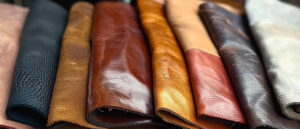
Common leather options
| Leather Type | Characteristics |
|---|---|
| Full-Grain Leather | Most durable and develops natural patina |
| Top-Grain Leather | Smooth appearance and strong durability |
| Lambskin | Soft and lightweight |
| Cowhide | Thick and highly durable |
| Goatskin | Flexible and abrasion resistant |
| Suede | Soft texture and casual appearance |
Understanding leather performance
Full-grain leather
Advantages:
- Maximum durability
- Natural appearance
- Long lifespan
Disadvantages:
- Higher cost
- Longer break-in period
Lambskin
Advantages:
- Luxurious softness
- Lightweight comfort
Disadvantages:
- Less resistant to abrasion
The choice of leather should match the intended use of the jacket.
Are Expensive Leather Jacket Brands Always Better?
Price often reflects quality, but it is not always a guarantee.
Higher-priced leather jackets may use better materials and craftsmanship, but some of the cost also comes from branding, marketing, and retail positioning.
Factors that influence price
- Leather grade
- Labor costs
- Production location
- Brand prestige
- Distribution model
Price comparison
| Category | Typical Price Level |
|---|---|
| Luxury Brands | Very High |
| Heritage Brands | High |
| Contemporary Brands | Medium |
| Private Label Brands | Variable |
Manufacturing specifications often provide a more accurate picture of quality than price alone.
Which Contemporary Brands Offer Good Value?
Not every buyer requires a luxury product.

Several contemporary brands provide a strong balance between quality, style, and affordability.
Popular contemporary brands
| Brand | Strength |
|---|---|
| AllSaints | Modern styling |
| The Kooples | Fashion-forward designs |
| Massimo Dutti | Premium appearance at accessible prices |
Why these brands succeed
- Competitive pricing
- Trend-driven designs
- Broad consumer appeal
- Consistent manufacturing standards
For many consumers, these brands provide sufficient quality without luxury-level investment.
What Construction Details Should Buyers Examine?
A leather jacket should always be evaluated beyond its brand name.
Construction quality often determines whether a jacket will last for years or begin showing wear after only a few seasons.
Areas to inspect
Stitching
Look for:
- Straight seams
- Even stitch density
- Reinforced stress points
Hardware
Check:
- Zipper quality
- Snap button strength
- Corrosion resistance
Lining
Evaluate:
- Fabric durability
- Comfort
- Seam quality
Edge finishing
Inspect:
- Clean edges
- Consistent finishing
- Durable construction
Small construction details often separate premium jackets from lower-quality alternatives.
How Do Manufacturers Evaluate Leather Jacket Quality?
Professional manufacturers follow strict evaluation standards before approving production.
Quality assessment includes material testing, construction inspection, and wear-performance evaluation.
Leather testing
Tests may include:
- Tensile strength
- Tear resistance
- Colorfastness
- Surface durability
Construction testing
Focus areas include:
- Seam strength
- Hardware performance
- Pattern accuracy
Wear testing
Evaluates:
- Abrasion resistance
- Comfort
- Long-term durability
Quality control checklist
| Inspection Area | Purpose |
|---|---|
| Leather Quality | Verify material consistency |
| Stitching | Ensure durability |
| Hardware | Confirm functionality |
| Measurements | Maintain fit consistency |
| Appearance | Detect defects |
These procedures help maintain consistent quality standards.
Are Private Label Leather Jackets a Good Alternative?
Many emerging fashion brands do not manufacture leather jackets themselves.
Private label manufacturing allows brands to develop custom leather jackets while maintaining control over quality, branding, and production costs.
Benefits of private label production
- Custom designs
- Brand-specific labeling
- Flexible production volumes
- Competitive costs
Factors to evaluate
Before selecting a manufacturer, brands should review:
- Leather sourcing capabilities
- Sampling process
- Quality control systems
- Production capacity
A strong manufacturing partner can often deliver quality comparable to established brands.
What Trends Are Influencing Leather Jacket Brands Today?
The leather jacket market continues to evolve alongside changing consumer preferences.
Current trends focus on sustainability, lightweight construction, versatile styling, and responsible sourcing.
Emerging trends
Sustainable leather
Growing demand exists for:
- Certified tanneries
- Responsible sourcing
- Lower-impact production
Lightweight jackets
Consumers increasingly prefer:
- Softer leather
- Reduced weight
- Improved comfort
Minimalist designs
Clean silhouettes continue to dominate premium markets.
Alternative materials
Some brands are exploring:
- Bio-based materials
- Recycled content
- Hybrid fabric-leather constructions
These trends are shaping the future of leather jacket development.
Conclusion
Many brands make good leather jackets, but quality should never be judged by brand reputation alone. Luxury brands often excel in craftsmanship and premium materials, while heritage brands offer proven durability and timeless designs. Contemporary brands can provide excellent value by balancing quality, affordability, and modern styling.
The most important factors in a leather jacket are leather quality, construction methods, hardware durability, fit consistency, and overall manufacturing standards. Full-grain and top-grain leather generally provide the best long-term performance, while proper stitching and quality control ensure the jacket remains functional and attractive for years.
For buyers, retailers, and apparel brands, understanding these factors makes it easier to evaluate leather jackets objectively. Rather than focusing solely on logos or price tags, examining materials and craftsmanship provides a clearer picture of quality and long-term value. A well-made leather jacket should combine durability, comfort, functionality, and timeless appeal, regardless of the brand name attached to it.