Many apparel buyers and consumers wonder where global brands like Polo produce their garments. The location of manufacturing affects product pricing, quality perception, and supply chain logistics. Understanding Polo’s production practices provides insight into the global apparel industry.
Polo, like many international brands, sources a portion of its products from China alongside other countries. China remains a key manufacturing hub due to its established textile industry in China, skilled labor, and advanced production facilities.
Global brands often diversify production across multiple regions, including China, Vietnam, Bangladesh, and Eastern Europe, to balance cost, quality, and supply chain flexibility.
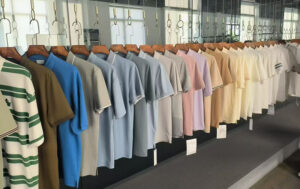
Why China Is a Popular Manufacturing Destination
China has long been a leading textile and apparel manufacturer. Its infrastructure, technology, and skilled workforce make it a natural choice for brands seeking efficiency and scale.
Brands like Polo rely on China because it offers large-scale production capabilities, reliable supply chains, and competitive pricing without significantly compromising quality.
Key Advantages of Manufacturing in China
| Factor | Benefit for Brands |
|---|---|
| Large skilled labor pool | High-quality stitching, finishing, and embroidery |
| Advanced machinery | Efficient production, consistent fabric quality |
| Integrated supply chain | Quick access to fabrics, trims, and accessories |
| Economies of scale | Lower per-unit cost for bulk orders |
| Export experience | Smooth logistics for international markets |
China’s textile industry is mature and well-regulated for global exports, allowing brands to meet international standards such as ISO, BSCI, and OEKO-TEX certification.
How Polo Uses China in Its Production Strategy
International brands rarely rely on a single country for all production. Polo strategically uses China alongside other sourcing regions.

Production in China is typically used for garments that require precise stitching, embroidery, or specialized fabrics. Bulk items like T-shirts, polos, and knitwear are often produced in China due to the balance of cost and quality.
Production Segmentation
- Core casual wear (polos, tees): Often produced in China or Southeast Asia
- Premium collections or limited editions: Sometimes produced in Europe for brand prestige
- Seasonal or trend-driven items: Flexible sourcing depending on capacity and speed
China offers the advantage of supporting both high-volume production and specialized finishing processes like embroidery and printing, which are important for Polo’s brand identity.
Quality Control in Chinese Manufacturing
A common concern for buyers is whether products made in China meet global quality standards.
Brands like Polo implement strict quality control procedures in Chinese factories. This includes in-line inspection, final product checks, and adherence to international certifications.
Quality Measures Typically Applied
- Incoming material inspection for consistency and defects
- Stitching and seam integrity checks
- Embroidery and logo accuracy verification
- Colorfastness testing and shrinkage testing
- Compliance with social responsibility standards
These quality measures ensure that garments made in China are virtually indistinguishable from those produced in other countries.
The Role of Chinese Suppliers in Polo’s Supply Chain
China’s suppliers provide more than just labor; they contribute technical expertise and efficient supply chain management.
Many factories have long-term relationships with global brands and can handle complex orders with tight deadlines.
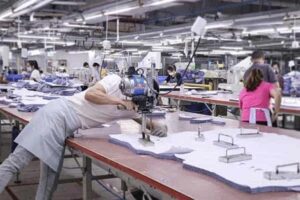
Supplier Capabilities
- Multi-line production for different product categories
- Expertise in knitwear, woven fabrics, and performance textiles
- Advanced dyeing and finishing techniques
- Ability to scale rapidly for seasonal demands
This expertise allows brands to meet global market demand without compromising on quality or delivery schedules.
Cost Considerations of Manufacturing in China
While cost is not the sole factor, it remains a significant reason brands continue to produce in China.
China offers a competitive cost structure for skilled manufacturing, especially compared with Western countries. Brands can produce high-quality garments at prices that allow profitable retail margins.
Comparative Cost Insights
| Country | Approximate Labor Cost | Manufacturing Suitability |
|---|---|---|
| China | Medium | High-volume, premium casual wear |
| Vietnam | Medium-Low | Knitwear, budget-friendly apparel |
| Bangladesh | Low | Basic T-shirts, large-volume items |
| Eastern Europe | High | Luxury or limited-edition collections |
By balancing cost and quality, brands maintain product competitiveness without sacrificing brand standards.
Challenges of Manufacturing in China
Despite its advantages, brands must navigate challenges when manufacturing in China.

Potential issues include communication gaps, longer lead times during peak seasons, and compliance management. However, experienced brands mitigate these risks through local offices, quality audits, and long-term partnerships with factories.
Common Challenges
- Language and cultural differences in communication
- International shipping delays and customs regulations
- Maintaining compliance with labor and environmental standards
- Managing multiple factories and subcontractors efficiently
Brands like Polo rely on experienced sourcing teams to manage these challenges and maintain consistent product quality.
Diversification Beyond China
Many international brands, including Polo, diversify production to reduce risk and improve flexibility.
Production is increasingly spread across Southeast Asia, South Asia, and Europe, allowing brands to respond quickly to market demand and maintain consistent quality standards.
Advantages of Diversification
- Reduces dependency on a single country
- Mitigates risks from tariffs, trade policies, or disruptions
- Offers faster turnaround for regional markets
- Allows brand to optimize cost versus quality for each product category
Supply chain diversification complements the benefits of Chinese manufacturing by balancing cost efficiency with strategic risk management.
Sustainability Considerations in Chinese Manufacturing
Global brands face pressure to maintain sustainable and ethical supply chains.
China has invested heavily in environmentally friendly production technologies, waste management, and energy efficiency. Many Polo suppliers in China meet sustainability certifications required for global retail markets.
Sustainable Manufacturing Practices
- Water recycling and treatment in dyeing processes
- Reduced chemical usage in finishing
- Energy-efficient machinery
- Social compliance for labor standards
These measures align with broader trends in sustainable textile manufacturing and allow brands to maintain their reputation while leveraging China’s manufacturing advantages.
How Polo Maintains Brand Integrity While Manufacturing in China
Maintaining brand perception is critical when producing abroad.
Polo ensures consistency in quality, design, and fit across all production locations, including China. Strict quality control, regular audits, and supplier training maintain global brand standards.
Key Practices
- Detailed tech packs and production specifications
- Factory visits and audits for adherence to standards
- Sample approval processes before bulk production
- Continuous communication between design and production teams
These steps ensure that garments manufactured in China meet the same quality expectations as those produced elsewhere.
Conclusion
Yes, Polo manufactures a portion of its garments in China, taking advantage of the country’s skilled workforce, advanced machinery, and integrated supply chain. Chinese factories are capable of producing high-quality apparel while maintaining international standards.
By combining Chinese manufacturing with diversified global production, Polo balances cost, quality, and flexibility.
At Fusionknits,the brand implements rigorous quality control, sustainability measures, and strategic factory partnerships to ensure that every product reflects Polo’s global brand standards, delivering consistency, durability, and premium appeal to consumers worldwide.