Sports shirts have evolved significantly over the past few decades. Modern athletes and active consumers expect garments that do more than simply cover the body. They want shirts that manage sweat, improve comfort, support movement, and maintain performance under demanding conditions. As a result, fabric selection has become one of the most important factors in sportswear development.
Most sports shirts are made from polyester or polyester-based blends because these fabrics offer excellent moisture-wicking, durability, lightweight performance, and quick-drying properties. Depending on the application, manufacturers may also use nylon, spandex, cotton blends, or advanced technical fabrics to enhance comfort and functionality.
The material used in a sports shirt directly affects how the garment performs during exercise. Understanding why certain fabrics dominate the sportswear industry can help apparel brands make better product development decisions.
Why Is Polyester the Most Common Material for Sports Shirts?
When consumers look at sports shirts from major athletic brands, polyester appears more frequently than any other fiber.
Polyester is the most common sports shirt material because it is lightweight, durable, moisture-wicking, and quick-drying. These characteristics help athletes stay comfortable during physical activity while maintaining the garment's shape and appearance over time.
The rise of performance apparel has made polyester the industry's preferred choice.
Key Benefits of Polyester
Polyester offers several important advantages:
- Lightweight construction
- Fast drying performance
- Moisture management
- High durability
- Wrinkle resistance
- Color retention
These benefits make polyester suitable for a wide range of sports.
Why Athletes Prefer Polyester
During exercise, the body produces sweat. Polyester helps by:
- Moving moisture away from the skin
- Promoting evaporation
- Reducing fabric saturation
This helps improve comfort during workouts.
Polyester Performance Overview
| Feature | Polyester Performance |
|---|---|
| Moisture-Wicking | Excellent |
| Durability | Excellent |
| Breathability | Good |
| Stretch | Moderate |
| Drying Speed | Excellent |
| Cost Efficiency | High |
These characteristics explain why polyester dominates the sportswear market.
Are Nylon Sports Shirts Better Than Polyester?
Nylon is another popular synthetic fiber used in athletic apparel.

Nylon sports shirts often provide a softer hand feel and greater abrasion resistance than polyester. However, polyester typically offers better moisture-wicking performance and lower production costs.
The choice depends on the product's intended purpose.
Advantages of Nylon
Nylon provides:
- Exceptional durability
- Smooth texture
- Lightweight feel
- Good elasticity
Many premium activewear brands use nylon-rich fabrics.
Common Applications
Nylon is frequently used for:
- Running apparel
- Compression garments
- Training shirts
- Outdoor performance wear
Its durability makes it ideal for demanding activities.
Polyester vs Nylon Comparison
| Feature | Polyester | Nylon |
|---|---|---|
| Moisture-Wicking | Excellent | Good |
| Softness | Good | Excellent |
| Durability | Excellent | Excellent |
| Cost | Lower | Higher |
| Abrasion Resistance | Good | Excellent |
Both materials perform well, but polyester remains the more common option.
What Role Does Spandex Play in Sports Shirts?
Many sports shirts contain a small percentage of spandex.
Spandex is added to sports shirts to improve stretch, flexibility, and freedom of movement. While it is rarely used alone, it significantly enhances the performance of polyester and nylon fabrics.
Stretch has become increasingly important in modern sportswear.
Benefits of Spandex
Spandex provides:
- Four-way stretch
- Improved mobility
- Better shape retention
- Enhanced comfort
These features improve athletic performance.
Typical Spandex Content
Most sports shirts contain:
| Spandex Percentage | Application |
|---|---|
| 3-5% | Light stretch |
| 5-10% | Standard sportswear |
| 10-20% | Compression apparel |
The appropriate percentage depends on the garment type.
Popular Fabric Blends
Common combinations include:
- Polyester-Spandex
- Nylon-Spandex
- Polyester-Nylon-Spandex
These blends offer balanced performance.
Are Cotton Sports Shirts Still Popular?
Cotton was once the dominant fabric in athletic apparel.
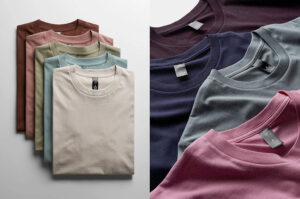
Cotton sports shirts are still popular for casual exercise and lifestyle wear because they offer softness and breathability. However, they are less common in high-performance sports because they absorb moisture and dry slowly.
Modern athletes often prefer technical fabrics.
Advantages of Cotton
Cotton offers:
- Natural softness
- Breathability
- Skin-friendly comfort
- Familiar feel
Many consumers still appreciate these characteristics.
Limitations During Exercise
Cotton tends to:
- Absorb sweat
- Become heavy when wet
- Dry slowly
- Retain moisture
These issues can reduce comfort during intense activities.
When Cotton Works Best
Cotton sports shirts are suitable for:
- Walking
- Light workouts
- Casual sportswear
- Everyday athleisure
They remain relevant despite the rise of synthetic fabrics.
What Are Moisture-Wicking Fabrics?
Moisture management is one of the most important features in sportswear.
Moisture-wicking fabrics move sweat away from the skin and spread it across the fabric surface, where it can evaporate more quickly. This helps keep athletes dry and comfortable.
Most modern sports shirts are designed with this capability.
How Moisture-Wicking Works
The process involves:
- Sweat production
- Moisture transfer
- Surface evaporation
- Cooling effect
This cycle helps regulate body temperature.
Benefits of Moisture-Wicking Sports Shirts
Advantages include:
- Reduced discomfort
- Better temperature control
- Faster drying
- Improved performance
These benefits are highly valued by athletes.
Common Moisture-Wicking Fabrics
Popular options include:
- Polyester
- Nylon
- Polyester-Spandex blends
- Technical microfiber fabrics
These materials dominate performance sportswear.
What Fabric Structures Are Used in Sports Shirts?
Fiber content is only one part of sportswear performance.

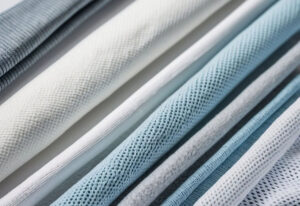
The knitting structure of a sports shirt often influences breathability, stretch, and moisture management as much as the fiber itself.
Different constructions create different performance characteristics.
Common Sportswear Knit Structures
Interlock Knit
Benefits include:
- Smooth surface
- Excellent stability
- Premium appearance
Mesh Knit
Provides:
- Maximum airflow
- Lightweight comfort
- Improved ventilation
Jersey Knit
Offers:
- Flexibility
- Softness
- Cost efficiency
Each structure serves different product goals.
Why Construction Matters
Fabric structure affects:
- Airflow
- Stretch
- Weight
- Durability
The best sports shirts combine appropriate fibers with suitable knitting techniques.
What Fabrics Are Used for Different Sports?
Not all sports require the same fabric performance.
Manufacturers often select fabrics based on the specific demands of each sport, including movement, climate, contact level, and durability requirements.
Different sports create different challenges.
Running Shirts
Common materials:
- Lightweight polyester
- Polyester-spandex blends
- Mesh constructions
Priority:
- Breathability
- Moisture management
Football and Team Sports
Common materials:
- Polyester interlock
- Durable synthetic blends
Priority:
- Durability
- Colorfastness
Yoga and Fitness
Common materials:
- Nylon-spandex blends
- Soft performance fabrics
Priority:
- Stretch
- Comfort
Outdoor Activities
Common materials:
- Nylon blends
- Technical performance fabrics
Priority:
- Durability
- Weather resistance
Selecting the right fabric improves product performance.
Are Sustainable Materials Becoming More Common?
Sustainability has become increasingly important in sportswear manufacturing.
Many sports shirts now incorporate recycled polyester and environmentally responsible fibers to reduce environmental impact without sacrificing performance.
Consumer demand continues to drive innovation.
Popular Sustainable Options
Examples include:
- Recycled polyester
- Recycled nylon
- Organic cotton blends
- Bio-based synthetic fibers
These materials are becoming more accessible.
Benefits of Recycled Polyester
Recycled polyester offers:
- Reduced waste
- Lower resource consumption
- Similar performance to virgin polyester
This makes it one of the most popular sustainable choices.
Future Industry Trends
Growing areas include:
- Circular production systems
- Biodegradable fibers
- Low-impact dyeing processes
Sustainability is expected to remain a key focus.
How Should Buyers Choose Sports Shirt Fabrics?
Selecting the right material requires balancing performance, comfort, durability, and cost.
Buyers should consider the intended sport, target customer, climate conditions, and pricing goals before choosing sports shirt fabrics.
The best fabric depends on the product's purpose.
Questions to Ask
Before development begins, consider:
- What activity is the garment designed for?
- How important is moisture management?
- What level of durability is required?
- Is stretch necessary?
- What is the target retail price?
These factors guide fabric selection.
Recommended Fabrics by Application
| Application | Recommended Fabric |
|---|---|
| Running | Polyester mesh |
| Gym Training | Polyester-Spandex |
| Yoga | Nylon-Spandex |
| Team Sports | Polyester interlock |
| Casual Sportswear | Cotton-Polyester Blend |
Matching fabric to function improves customer satisfaction.
Always Test Before Production
Buyers should review:
- Fabric swatches
- Performance tests
- Wash-tested samples
- Wear-tested prototypes
Physical testing helps confirm real-world performance.
Conclusion
Most sports shirts today are made from polyester or polyester-based blends because these materials offer the best combination of moisture management, durability, lightweight comfort, and quick-drying performance. Nylon, spandex, cotton blends, and technical performance fabrics are also widely used depending on the specific requirements of the sport and the target customer. The dominance of polyester reflects its ability to meet the demands of modern athletes while remaining cost-effective for large-scale production.
However, fabric content alone does not determine the quality of a sports shirt. Knit structure, fabric weight, stretch properties, moisture-wicking capability, and garment construction all contribute to overall performance. A well-designed sports shirt should support movement, regulate moisture, maintain comfort, and withstand repeated washing and wear. These factors are often just as important as the fiber itself.
At Fusionknits, we have found that successful sportswear programs begin with a clear understanding of how the garment will be used. By matching fabric technology to the intended activity, brands can create sports shirts that deliver better performance, stronger customer satisfaction, and long-term market success.