Lululemon sweatpants have become one of the most sought-after activewear products globally, combining style, comfort, and performance. Many consumers and apparel buyers wonder where these garments are manufactured and what production processes contribute to their premium quality. Understanding Lululemon’s sourcing strategy can provide insights into global apparel production and quality standards.
Lululemon sweatpants are primarily manufactured in Asia, with key production facilities located in countries such as China, Vietnam, and Bangladesh. These locations are selected for their combination of skilled labor, advanced textile manufacturing, and experience with high-quality activewear production.
The company carefully manages quality control and fabric development to maintain its reputation as a premium athletic apparel brand.
Why Lululemon Sources Sweatpants in Asia
Many apparel brands outsource manufacturing to Asia, and Lululemon is no exception.
Asia offers established supply chains, technical expertise in activewear, cost efficiency, and access to high-quality fabrics, which makes it an ideal region for producing performance-focused sweatpants.
Several factors contribute to this decision.
Skilled Workforce
- Experienced sewing technicians
- Knowledge of stretch fabrics
- Ability to handle complex constructions
- Precision in embroidery and finishing
These skills are essential for premium activewear.
Fabric and Yarn Access
- Advanced textile mills for polyester, nylon, and spandex blends
- High-quality cotton and cotton blends
- Technical fabrics with moisture-wicking or compression properties
Access to these materials ensures consistent garment quality.
Production Scale and Efficiency
- Large-scale manufacturing capabilities
- Ability to meet global demand
- Efficient logistics and shipping networks
These factors help maintain product availability in multiple markets.
Which Countries Produce Lululemon Sweatpants?
Lululemon strategically diversifies its production across multiple countries to reduce risk and maintain quality.

Key manufacturing countries include China, Vietnam, Bangladesh, and occasionally Cambodia. Each country provides unique advantages in terms of cost, expertise, and production capacity.
China
- Established textile infrastructure
- Skilled workforce for premium sewing
- Access to high-end technical fabrics
Vietnam
- Competitive labor costs
- Expertise in performance apparel
- Focus on consistency and quality
Bangladesh
- Large-scale production for simpler designs
- Cost-effective manufacturing
- Export-oriented facilities
Cambodia
- Emerging textile manufacturing hub
- Smaller-scale, specialized production
Diversification helps Lululemon maintain consistent quality and supply reliability.
What Fabrics Are Used in Lululemon Sweatpants?
Fabric choice is critical to the performance and comfort of activewear.
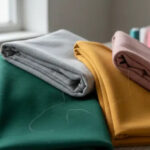
Most Lululemon sweatpants use blends of polyester, nylon, cotton, and elastane (spandex). Technical fabrics like Nulu™, Luon™, and Everlux™ are proprietary blends that enhance stretch, moisture-wicking, softness, and durability.
Fabric innovation is a cornerstone of Lululemon’s product differentiation.
Common Fabric Categories
| Fabric | Key Feature | Typical Use |
|---|---|---|
| Nulu™ | Ultra-soft, lightweight, high stretch | Yoga, lounge |
| Luon™ | Moderate compression, moisture-wicking | Everyday performance |
| Everlux™ | Fast-drying, highly breathable | High-intensity workouts |
| Cotton-Spandex | Soft, flexible | Casual wear, transitional styles |
| Nylon-Spandex | Durable, high stretch | Running and training |
Each fabric is engineered to meet specific activity needs while ensuring comfort and fit.
How Does Lululemon Ensure Quality in Asian Factories?
Quality control is critical when manufacturing premium sweatpants overseas.
Lululemon employs strict quality assurance processes, including in-line inspections, final product checks, fabric testing, and adherence to ethical manufacturing standards.
The brand maintains consistency through careful factory selection and ongoing monitoring.

Factory Quality Measures
- Inspection of incoming materials
- Sewing and stitch accuracy checks
- Testing for colorfastness and shrinkage
- Performance testing for stretch and recovery
These steps ensure that every sweatpant meets Lululemon’s high standards.
Ethical Manufacturing
- Adherence to labor regulations
- Compliance with international standards like SA8000
- Social audits and sustainability reporting
These practices maintain brand reputation and consumer trust.
Are Lululemon Sweatpants Sustainable?
Sustainability has become increasingly important in the activewear industry.
Lululemon integrates sustainable materials and environmentally responsible manufacturing practices where possible. Many sweatpants use recycled polyester or responsibly sourced fabrics. The company also implements energy-efficient production methods in partner factories.
Consumers increasingly consider sustainability in purchasing decisions.
Sustainable Material Examples
- Recycled polyester from post-consumer plastic bottles
- Organic cotton for softness and reduced environmental impact
- Low-impact dyes and water-efficient finishing
These initiatives contribute to a more sustainable supply chain.
Factory-Level Sustainability
- Energy-efficient lighting and machinery
- Water recycling in fabric processing
- Waste reduction programs
These practices enhance the brand’s environmental profile.
Why Does Lululemon Use Multiple Countries for Production?
Relying on a single country can create supply chain vulnerabilities.

By using multiple countries for sweatpants production, Lululemon can mitigate risks related to tariffs, political changes, shipping delays, and factory disruptions. Diversification ensures steady supply to global markets.
This approach supports inventory management and seasonal product launches.
Benefits of Multi-Country Production
- Reduced dependency on a single location
- Flexibility in production scheduling
- Faster response to demand fluctuations
- Improved risk management
These factors help maintain global brand consistency.
How Do Proprietary Fabrics Influence Sweatpants Production?
Lululemon’s proprietary fabrics differentiate the brand from competitors.
Materials like Nulu™, Luon™, and Everlux™ require specialized knitting techniques and finishing processes. Factories producing these fabrics must have experience handling high-stretch, lightweight, and technical textiles.
The right production capability ensures fabric performance aligns with design intent.
Key Production Requirements
- Accurate knitting tension
- Consistent fiber blending
- Precise finishing temperatures
- Stretch recovery testing
These steps ensure each garment meets the brand’s high-performance standards.
How Can Buyers Evaluate Sweatpants Quality?
When sourcing or evaluating Lululemon-style sweatpants, several factors indicate quality.
Buyers should consider fabric composition, hand feel, stitching, elasticity, moisture-wicking capability, and adherence to fit specifications.
Evaluation ensures that products meet performance expectations.
Practical Quality Checks
- Fabric stretch and recovery
- Stitch density and seam reinforcement
- Surface softness and pilling resistance
- Colorfastness and shrinkage testing
- Fit and sizing accuracy
These criteria ensure long-term satisfaction for end consumers.
Consumer Considerations
- Comfort during various activities
- Durability after repeated washing
- Fabric breathability and moisture management
- Smoothness and minimal irritation
These features are critical for premium activewear.
What Are the Challenges in Producing High-Quality Sweatpants Abroad?
Manufacturing abroad offers cost advantages, but challenges remain.
Key challenges include ensuring consistent quality, managing communication across time zones, controlling production standards, and maintaining ethical practices in all factories.
Brands like Lululemon invest heavily to mitigate these risks.
Common Production Challenges
- Maintaining consistent fabric properties
- Managing quality across multiple factories
- Ensuring ethical labor practices
- Coordinating logistics and shipping
- Preserving brand integrity
Effective supplier management is essential for success.
How Lululemon Addresses Challenges
- Regular audits and inspections
- Detailed technical specifications
- Factory training and support
- Centralized quality control procedures
These measures help maintain consistency and product quality.
Conclusion
Lululemon sweatpants are primarily manufactured in Asia, including countries like China, Vietnam, and Bangladesh, due to the combination of skilled labor, advanced textile expertise, and access to high-quality fabrics. Proprietary fabrics such as Nulu™, Luon™, and Everlux™ require precise manufacturing techniques, specialized machinery, and strict quality control to maintain the brand’s reputation for premium activewear.
The best Lululemon sweatpants balance material performance, construction quality, durability, comfort, and sustainability. Cotton blends, polyester blends, and technical fabrics provide versatility for casual wear, yoga, and high-intensity activities.
Lululemon’s multi-country production strategy, ethical manufacturing practices, and sustainable material initiatives ensure that sweatpants meet global consumer expectations. Understanding these factors helps buyers and consumers appreciate why Lululemon continues to lead in high-performance, stylish, and reliable activewear.