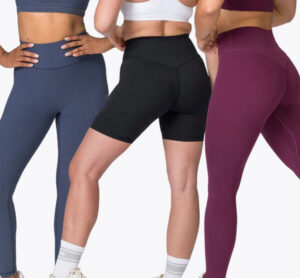
Many consumers spend hours comparing leggings, yet few understand that fabric selection is often the biggest factor determining comfort, durability, stretch, and overall performance. A pair of leggings may look great online, but if the fabric becomes see-through, loses elasticity, or pills after a few washes, customers quickly become disappointed.
The best leggings are typically made from nylon-spandex blends, polyester-spandex blends, or advanced performance fabrics that combine stretch, moisture management, durability, and comfort. Premium leggings often use 70-80% nylon or polyester combined with 20-30% spandex to achieve the ideal balance of support, flexibility, and long-term performance.
At Fusionknits, we have found that the highest-performing leggings are rarely made from a single fiber. Instead, carefully engineered fabric blends usually deliver the best results.
Why Does Fabric Matter So Much in Leggings?
Many people focus on design and color while overlooking the fabric itself.
Fabric determines how leggings stretch, recover, feel against the skin, manage moisture, and maintain their appearance after repeated wear and washing.
Even two leggings with identical designs can perform completely differently depending on the fabric.
How Fabric Influences Performance
The fabric affects:
- Comfort
- Compression
- Stretch
- Durability
- Breathability
- Moisture management
These factors directly impact customer satisfaction.
Why Poor Fabric Leads to Problems
Low-quality fabrics often cause:
- See-through appearance
- Pilling
- Bagging at knees
- Loss of elasticity
- Poor recovery
These issues frequently result in negative reviews.
Key Fabric Priorities
Most consumers want leggings that provide:
| Feature | Importance |
|---|---|
| Stretch | High |
| Comfort | High |
| Durability | High |
| Squat-proof coverage | High |
| Moisture-wicking | Moderate to High |
The best fabrics balance all of these requirements.
Is Nylon the Best Material for Leggings?
Nylon is one of the most widely used fibers in premium activewear.

Many premium leggings use nylon because it offers exceptional softness, durability, elasticity, and a smooth hand feel that consumers associate with luxury activewear.
Nylon has become a favorite among leading activewear brands.
Benefits of Nylon
Advantages include:
- Silky texture
- Excellent stretch
- Strong abrasion resistance
- Premium appearance
These characteristics create a high-end feel.
Why Nylon Feels Softer
Compared to polyester, nylon fibers often:
- Feel smoother
- Drape better
- Provide greater comfort
This is one reason luxury leggings frequently use nylon-rich blends.
Common Nylon Blend Ratios
| Fabric Composition | Typical Application |
|---|---|
| 75% Nylon / 25% Spandex | Premium leggings |
| 80% Nylon / 20% Spandex | Yoga leggings |
| 78% Nylon / 22% Spandex | Luxury activewear |
These blends dominate many high-end collections.
Are Polyester Leggings Better Than Nylon?
Polyester is another major player in the activewear market.
Polyester leggings offer excellent durability, moisture management, color retention, and cost efficiency, making them one of the most practical choices for performance apparel.
Many athletic brands rely heavily on polyester.
Advantages of Polyester
Polyester provides:
- Superior moisture-wicking
- Fast drying
- Excellent durability
- Strong color retention
These benefits support athletic performance.
Why Athletes Like Polyester
During workouts, polyester helps:
- Move sweat away from the skin
- Dry quickly
- Maintain comfort
These characteristics are especially useful for high-intensity exercise.
Polyester vs Nylon
| Feature | Nylon | Polyester |
|---|---|---|
| Softness | Excellent | Good |
| Moisture-Wicking | Good | Excellent |
| Durability | Excellent | Excellent |
| Cost | Higher | Lower |
| Luxury Feel | Higher | Moderate |
Both fibers perform exceptionally well when blended with spandex.
Why Is Spandex Essential in Leggings?
Stretch is one of the defining characteristics of leggings.
Spandex provides the elasticity that allows leggings to stretch, recover, and maintain their shape during movement. Without spandex, most leggings would lose their flexibility and support.
Even small amounts make a significant difference.
Benefits of Spandex
Spandex contributes:
- Four-way stretch
- Compression
- Shape retention
- Flexibility
These features improve both comfort and performance.
Typical Spandex Levels
| Spandex Content | Result |
|---|---|
| 10-15% | Moderate stretch |
| 15-20% | Strong performance |
| 20-30% | Premium compression |
Most high-quality leggings contain at least 15% spandex.
Why Recovery Matters
Recovery refers to how well the fabric returns to its original shape.
Strong recovery helps prevent:
- Sagging knees
- Loose waistbands
- Bagging
This improves garment longevity.
What Are the Best Fabrics for Yoga Leggings?
Yoga places unique demands on activewear.
The best yoga leggings use soft nylon-spandex blends because they provide stretch, comfort, flexibility, and unrestricted movement.
Comfort is especially important for yoga consumers.
Key Yoga Fabric Requirements
Yoga leggings should provide:
- Softness
- Stretch
- Breathability
- Minimal distraction
Comfort often takes priority over compression.
Popular Yoga Fabric Blends
Examples include:
- 75% Nylon / 25% Spandex
- 80% Nylon / 20% Spandex
- Brushed performance fabrics
These materials dominate premium yoga collections.
Why Softness Matters
Yoga consumers often prioritize:
- Skin feel
- Comfort during stretching
- Lightweight performance
The fabric should feel almost invisible during movement.
What Are the Best Fabrics for Gym Leggings?
Gym workouts require different performance characteristics.

Gym leggings typically perform best when made from polyester-spandex or nylon-spandex blends that offer moisture management, durability, and support.
Performance becomes more important than softness alone.
Key Gym Legging Requirements
Consumers often look for:
- Moisture-wicking
- Compression
- Squat-proof coverage
- Durability
These factors improve workout performance.
Common Performance Fabrics
Popular options include:
- Polyester-spandex blends
- Nylon-spandex blends
- Interlock performance fabrics
These fabrics withstand intense activity.
Compression Benefits
Compression can help:
- Improve support
- Enhance fit
- Reduce movement
Many gym-focused leggings incorporate moderate compression.
Are Sustainable Fabrics Good for Leggings?
Sustainability has become increasingly important in activewear.
Many sustainable leggings now use recycled polyester, recycled nylon, and environmentally responsible fibers that provide performance similar to traditional materials.
Eco-friendly fabrics continue to improve.
Popular Sustainable Materials
Examples include:
- Recycled polyester
- Recycled nylon
- Bio-based fibers
These options appeal to environmentally conscious consumers.
Advantages of Recycled Fabrics
Benefits include:
- Reduced environmental impact
- Lower waste generation
- Comparable performance
Many consumers actively seek sustainable alternatives.
Growing Consumer Demand
Sustainability can help brands:
- Differentiate products
- Strengthen brand image
- Increase customer loyalty
This trend continues to expand globally.
Does Fabric Weight Affect Leggings Quality?
Fabric weight plays a major role in leggings performance.
Higher-quality leggings often use medium-to-heavyweight fabrics that provide better coverage, durability, and shape retention.
Weight influences both appearance and performance.
Understanding GSM
GSM stands for grams per square meter.
Common ranges include:
| GSM Range | Application |
|---|---|
| 180-220 GSM | Lightweight leggings |
| 220-280 GSM | Standard performance leggings |
| 280-350 GSM | Premium leggings |
| 350+ GSM | High-compression leggings |
Different weights serve different purposes.
Benefits of Higher GSM
Heavier fabrics often provide:
- Better squat-proof coverage
- Enhanced durability
- Improved support
Consumers frequently associate heavier fabrics with quality.
Why GSM Is Not Everything
A poorly engineered 350 GSM fabric may perform worse than a premium 250 GSM fabric.
Construction quality remains essential.
What Other Factors Determine Leggings Quality?
Fabric composition is only part of the equation.
Yarn quality, knitting structure, dyeing methods, and finishing treatments often have just as much impact on leggings quality as fiber content.
Manufacturing details matter.
Yarn Quality
Premium yarns offer:
- Better durability
- Reduced pilling
- Improved softness
These benefits support long-term wear.
Fabric Construction
Important factors include:
- Knit density
- Surface smoothness
- Recovery performance
These characteristics influence comfort and durability.
Finishing Treatments
Common premium finishes include:
- Brushing
- Moisture-wicking treatments
- Anti-pilling finishes
- Softening processes
These treatments enhance consumer experience.
How Should Buyers Choose the Best Leggings Fabric?
There is no single perfect fabric for every customer.
Buyers should select leggings fabrics based on target market, intended activity, desired performance characteristics, and pricing goals.
A strategic approach leads to better products.
Questions Buyers Should Ask
Before development begins:
- Who is the target customer?
- Is the product for yoga or training?
- What level of compression is desired?
- Is sustainability important?
- What is the target price point?
These answers guide fabric selection.
Recommended Fabrics by Market
| Market Segment | Recommended Fabric |
|---|---|
| Yoga | Nylon-Spandex |
| Gym Training | Polyester-Spandex |
| Athleisure | Nylon-Spandex |
| Budget Activewear | Polyester-Spandex |
| Sustainable Collections | Recycled Polyester Blend |
Matching fabric to customer expectations improves satisfaction.
Always Test Samples
Before production, evaluate:
- Stretch recovery
- Squat-proof performance
- Wash durability
- Fabric hand feel
Testing helps verify real-world performance.
Conclusion
The best leggings are typically made from carefully engineered blends of nylon, polyester, and spandex. Nylon-spandex fabrics often provide the softest and most luxurious feel, making them ideal for yoga and premium activewear collections. Polyester-spandex blends deliver exceptional moisture management, durability, and value, making them highly effective for gym and performance-focused leggings. Spandex remains essential because it provides the stretch, recovery, and flexibility that consumers expect from high-quality leggings.
However, fabric composition alone does not determine quality. Yarn selection, knitting construction, fabric weight, finishing treatments, and manufacturing standards all contribute to how leggings perform over time. Consumers increasingly expect leggings to be comfortable, squat-proof, durable, and versatile enough for both exercise and everyday wear.
At Fusionknits, we have found that the most successful leggings programs combine premium fabric blends with thoughtful product development and rigorous quality control. By matching the right materials to the intended customer and activity, brands can create leggings that deliver superior comfort, performance, and long-term value in today's competitive activewear market.