Acid-wash clothing is an iconic fashion statement that gained popularity in the 1980s and continues to influence modern streetwear and denim styles. Characterized by its faded, marbled look, acid washing requires specific fabrics and production techniques to achieve the desired effect without compromising garment durability. Understanding which fabrics respond best to acid washing is essential for manufacturers, designers, and apparel brands seeking to create high-quality garments.
Denim is the most commonly used fabric for acid wash because of its durability, colorfastness, and ability to maintain structural integrity during chemical processing. Cotton-rich denim, cotton-polyester blends, and twill weaves respond well to acid-wash techniques, allowing for the distinctive patterns and variations that define the style.
The choice of fabric affects not only the visual outcome but also garment performance, longevity, and wearability. At Fusionknits, we have observed that high-quality acid-wash garments rely on both carefully selected fabrics and precise chemical processing.
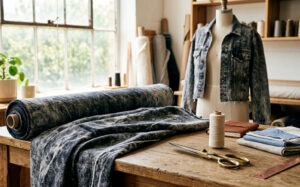
Why Fabric Selection Is Critical for Acid Wash
Acid washing involves bleaching, washing, and distressing garments to create a unique texture and color variation.
Not all fabrics can withstand the chemical and mechanical stress involved in acid-wash processing. Durable, high-quality fibers are necessary to prevent excessive damage, tearing, or uneven fading.
Fabric choice ensures both aesthetic and functional quality.
Factors That Affect Fabric Suitability
Key considerations include:
- Fiber strength and integrity
- Colorfastness to bleach or chemicals
- Weave density and structure
- Elasticity and stretch
- Resistance to pilling or fraying
The fabric must be robust enough to maintain form while achieving the faded look.
Risks of Using Weak Fabrics
Low-quality fabrics may:
- Break down during processing
- Produce uneven patterns
- Lose shape and elasticity
- Show premature wear
Careful selection prevents these issues.
Why Denim Is the Preferred Fabric
Denim is synonymous with acid wash for good reason.

Denim, typically made from cotton or cotton blends, provides a dense twill weave and durable construction that allows it to endure bleaching, tumbling, and abrasion during acid-wash production.
Its absorbent fibers take on bleach treatments well, producing the signature marbled effect.
Characteristics That Make Denim Ideal
- Thick, sturdy weave
- High cotton content
- Strong fiber integrity
- Ability to maintain structural shape
- Accepts color alteration uniformly
These characteristics create consistent, high-quality acid-wash garments.
Common Denim Variations
- 100% cotton denim: natural softness and traditional texture
- Cotton-polyester blends: added durability and stretch
- Selvedge denim: premium option with reinforced edges
- Lightweight denim: used for shirts, skirts, or casual wear
Each variant affects how the acid wash appears and how the garment feels.
How Cotton Enhances Acid Wash
Cotton is highly responsive to bleaching and chemical processing.
High-quality cotton absorbs bleach evenly, resulting in distinct faded areas while retaining softness and comfort.
Cotton-rich fabrics provide a reliable foundation for acid-wash techniques.
Benefits of Using Cotton
- Excellent color absorption
- Soft hand feel
- Durable under chemical treatments
- Breathable and comfortable
- Easy to dye and wash
Cotton’s versatility ensures a visually appealing and wearable product.
Fiber Length and Quality
Long-staple cotton:
- Produces smoother surface
- Enhances durability
- Resists fraying during washing
Short-staple cotton may pill or weaken under acid-wash processing.
Applications
- Denim jeans
- Jackets and vests
- Skirts and shorts
- Casual shirts
Cotton ensures these garments withstand processing without structural compromise.
Can Cotton-Polyester Blends Be Used?
Blending polyester with cotton adds durability and resilience.
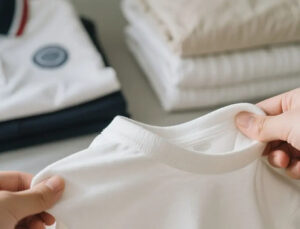
Cotton-polyester blends are often used for acid-wash garments that require improved dimensional stability, reduced shrinkage, and slight stretch while still achieving a faded appearance.
Blends balance performance with aesthetic effects.
Benefits of Blends
- Reduced shrinkage after washing
- Enhanced durability for daily wear
- Slight stretch improves fit
- Faster drying and wrinkle resistance
These factors make blends suitable for casual and fashion-forward acid-wash garments.
Considerations
- Blends may produce slightly muted wash effects
- Polyester content can resist bleaching, affecting color contrast
- Requires precise chemical dosing for uniform patterns
Managing fiber composition ensures optimal acid-wash results.
How Weave Structure Affects Acid Wash
The type of fabric weave impacts how bleach and abrasion create patterns.
Denim’s twill weave, characterized by diagonal ribbing, creates natural texture variations that enhance the marbled, vintage effect of acid wash.
Other weave structures can also be used but may produce different visual effects.
Common Weave Structures
- Twill: standard denim, durable and ideal for jeans
- Plain weave: used for lighter garments or shirts, produces subtle wash
- Knit: stretch fabrics respond differently, creating soft faded patterns
- Herringbone or specialty weaves: add texture complexity
Choosing the appropriate weave maximizes visual impact.
Why Twill Works Best
Twill resists tearing and retains shape, even under repeated chemical and mechanical processing. It also creates natural shading that enhances the acid-wash appearance.
Finishing and Fabric Treatments
Pre-treatment and finishing techniques influence the final garment quality.
Fabrics may undergo pre-shrinking, mercerization, or enzyme washing to ensure even bleaching and to maintain softness after processing.
Finishing prevents over-weakening fibers and ensures longevity.
Common Treatments
- Pre-shrinking: minimizes post-wash distortion
- Enzyme washing: softens fabric surface
- Color-setting: ensures dye retention and reduces uneven fading
- Anti-pilling finishes: extend wear life
Combining these treatments with proper fabric choice produces premium acid-wash garments.
Why Careful Processing Matters
Even the best fabric can fail without proper processing:
- Uneven bleach exposure can create blotchy results
- Over-washing can damage fibers
- Poor finishing may lead to shrinkage or distortion
Quality control is critical.
Which Fabrics Are Less Suitable?
Not all fabrics handle acid wash well.
Fabrics with low cotton content, weak fibers, or open weaves are less suitable, as they may tear, lose shape, or produce inconsistent patterns.
Examples of less suitable fabrics:
- Linen: weak and loosely woven
- Rayon: delicate, prone to damage
- Thin synthetics: may resist bleach and distort pattern
- Stretch-heavy knits: uneven fading
These fabrics require specialized processing or alternative techniques.
Alternative Approaches
- Use lightweight denim or blends for softer garments
- Apply printed acid-wash patterns instead of chemical treatment
- Limit bleach exposure for delicate fabrics
This ensures safety while maintaining style.
How Does Fabric Weight Affect Acid Wash?
Fabric weight influences durability and pattern visibility.
Heavier fabrics hold up better during mechanical abrasion, producing clear, distinct acid-wash patterns, while lightweight fabrics may fade excessively or develop holes.
Fabric weight selection should match garment type.
Guidelines by Garment Type
| Fabric Weight (GSM) | Recommended Use |
|---|---|
| 250–350 GSM | Standard jeans and jackets |
| 180–250 GSM | Shirts, skirts, lightweight pants |
| 350+ GSM | Heavy-duty denim, structured jackets |
Balancing weight with desired softness ensures optimal wearability.
Benefits of Heavier Fabrics
- Maintains shape after washing
- Allows for repeated bleach treatments
- Produces uniform marbling effect
- Improves long-term durability
Heavier fabrics are ideal for garments expected to undergo frequent use.
Modern Trends in Acid Wash Fabrics
Acid wash has evolved beyond traditional denim.
Modern fabrics include blends with elastane for stretch, polyester-cotton blends for durability, and eco-friendly fibers for sustainable production.
These innovations allow for leggings, jackets, shirts, and even accessories with the acid-wash aesthetic.
Fabric Innovations
- Cotton-spandex blends for form-fitting garments
- Polyester-cotton blends for easy care and reduced shrinkage
- Recycled denim or organic cotton for sustainable fashion
- Knitted or performance fabrics adapted to acid-wash treatments
Innovation expands the possibilities of acid-wash apparel.
Influence on Streetwear and Fashion
Acid wash remains popular in:
- Retro-inspired streetwear
- Fashion-forward denim collections
- Distressed or casual casual wear
- Specialty and designer collaborations
The acid wash fashion trend continues to define visual style.
Conclusion
The best fabrics for acid wash are cotton-rich denims, twill weaves, and cotton-polyester blends that provide durability, stretch, and uniform bleaching response. High-quality cotton fibers absorb chemical treatments effectively, while polyester blends can add dimensional stability and longevity.
Fabric weight, weave, fiber quality, and finishing treatments all influence the final pattern, color contrast, and garment durability. Lighter fabrics or low-quality synthetics often fail to deliver consistent results.Acid wash remains a staple in modern fashion, blending retro appeal with contemporary styling.
At Fusionknits, we have found that selecting the right base fabric, combined with careful pre-treatment, bleaching, and finishing, produces garments that are visually striking, comfortable, and long-lasting. By understanding the interaction between fiber composition, weave structure, and chemical treatment, apparel brands can consistently create high-quality acid-wash clothing that meets consumer expectations.