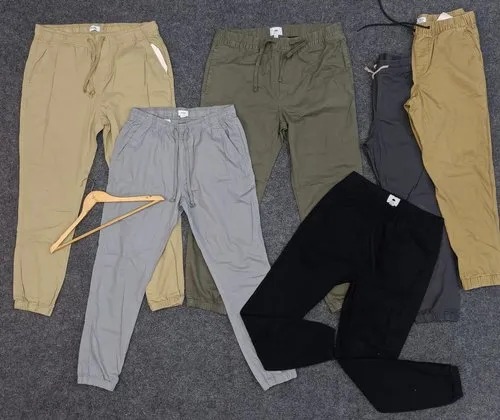
Joggers may look like one simple product category, but in real apparel manufacturing, they cover a wide range of silhouettes, fabric systems, and market uses. A jogger can be built for lounging, running, travel, streetwear, premium casualwear, or cold-weather comfort. That is why the category is much broader than many buyers first expect.
There is no single fixed number of jogger types, because joggers can be divided by use, fabric, fit, structure, and styling direction. In practical product development, the main jogger categories usually include lounge joggers, casual everyday joggers, performance joggers, running joggers, travel joggers, streetwear joggers, slim joggers, relaxed joggers, cargo joggers, fleece joggers, and premium lifestyle joggers. The exact number depends on how narrowly the category is broken down.
At Fusionknits, joggers are not treated as one repeated garment with different colors. They are treated as a family of products with different technical goals. Once the buyer understands how many directions the category can take, it becomes much easier to build better collections, choose the right materials, and avoid category overlap.
Why is it hard to give one exact number for jogger types?
This question sounds simple, but it becomes more technical once product development begins. The reason is that joggers can be classified in several different ways at the same time. One jogger can belong to more than one subgroup depending on how the product is described.
It is hard to give one exact number for jogger types because joggers can be classified by use, fabric, fit, silhouette, construction, and style direction. A single jogger might be both a slim jogger and a travel jogger, or both a fleece jogger and a lounge jogger. That means the number changes depending on the classification method.
From a manufacturing perspective, this is very common in apparel categories. A product family becomes broader over time as market needs expand. Joggers began as a sportswear-inspired bottom, but now they serve multiple functions. As soon as the category moved into lifestyle, premium casualwear, and travelwear, the number of meaningful jogger subtypes increased quickly.
At Fusionknits, the strongest way to answer this question is not to force one number, but to show the main professional groupings that buyers actually use in development and sourcing.
Why one fixed number does not work well
- Joggers can be divided by use
- Joggers can be divided by fit
- Joggers can be divided by fabric
- Joggers can be divided by styling direction
- One jogger can belong to several groups at once
Why this matters in product planning
Category overlap is normal
A premium jogger can also be a travel jogger or a slim jogger.
Buyers need practical rather than theoretical classification
The goal is better product clarity, not only counting labels.
Better grouping improves sourcing decisions
Once the main jogger type is clear, fabric and fit become easier to align.
A simple classification view
| Classification method | Example |
|---|---|
| By use | Running jogger |
| By fit | Slim jogger |
| By fabric | Fleece jogger |
| By style direction | Streetwear jogger |
That is why jogger types are better understood as a structured category system rather than one fixed list with one final number.
What are the main jogger types by product use?
The most useful way to start is by use. This is often the clearest professional grouping because use affects fabric, fit, stitching, waistband engineering, and customer expectation all at once.
The main jogger types by product use usually include lounge joggers, casual everyday joggers, running joggers, training joggers, travel joggers, and premium lifestyle joggers. These categories are useful because each one has a different comfort, fabric, and silhouette requirement.
A lounge jogger is built for softness and ease. A running jogger is built for movement and moisture control. A travel jogger is built for long-wear comfort and cleaner shape. A premium lifestyle jogger is built for refined casualwear rather than athletic performance. These are not small differences. They change the full garment development path.
At Fusionknits, use-based classification is often the first step because it helps define the product function before the design details are finalized.
Main use-based jogger categories
- Lounge jogger
- Casual everyday jogger
- Running jogger
- Training jogger
- Travel jogger
- Premium lifestyle jogger
Why this grouping works so well
Use defines fabric direction
A lounge jogger may need fleece. A running jogger may need technical stretch fabric.
Use defines fit balance
A training jogger and a homewear jogger should not fit the same way.
Use defines customer expectation
The product is judged differently depending on where and how it is worn.
Use-based guide
| Jogger type | Main product focus |
|---|---|
| Lounge jogger | Softness and comfort |
| Casual jogger | Broad everyday wear |
| Running jogger | Movement and moisture control |
| Training jogger | Performance plus recovery |
| Travel jogger | Long-wear comfort and cleaner look |
| Premium jogger | Elevated casual styling |
That is why use-based categories are usually the strongest starting point in jogger development.
What are lounge joggers and why are they one of the biggest jogger types?
Lounge joggers are one of the most commercially important parts of the category because they answer a very basic wardrobe need. They are built around comfort, softness, and low-friction wear rather than high technical performance.
Lounge joggers are joggers designed mainly for comfort, softness, and home or relaxed off-duty use. They are usually made from fleece, French terry, or other comfort-led knits, and they often have a softer fit with less pressure at the waistband, thigh, and lower leg.
Lounge joggers became especially important as comfort-first dressing grew stronger. They fit homewear, travel downtime, recovery dressing, and easy casualwear. The goal here is not to look highly athletic or highly polished. The goal is to feel easy and natural in long wear.
At Fusionknits, lounge joggers are usually developed through fabric-first logic. The hand feel and inner surface matter more here than in many other jogger categories.
Common lounge jogger features
- Soft fleece or terry fabric
- Relaxed upper fit
- Comfortable waistband
- Low-pressure cuff construction
- Comfort-led stitching and finish
Why lounge joggers remain so important
They solve a daily comfort problem
Customers often reach for them repeatedly.
The category has broad market reach
Men’s, women’s, and youth collections all use them strongly.
The styling barrier is low
They are easy to wear and easy to understand.
Lounge jogger overview
| Feature | Product effect |
|---|---|
| Soft fabric | Strong comfort value |
| Relaxed fit | Better ease in wear |
| Lower structure | More homewear and off-duty identity |
That is why lounge joggers remain one of the largest and most stable jogger subcategories.
What makes running and training joggers different from casual joggers?
This is one of the most important category splits. Many people treat all joggers as one comfort product, but technical joggers follow a very different development logic from casual joggers.
Running and training joggers are different from casual joggers because they are built for movement, sweat management, lighter weight, and stronger recovery. They usually use polyester or nylon stretch fabrics, cleaner taper, and more active fit balance than casual comfort joggers.
Running joggers often need quicker drying fabrics, lower bulk, and cleaner lower-leg control. Training joggers may need enough durability for repeated movement and gym use while still staying comfortable. Casual joggers, by contrast, can prioritize softness more heavily because they are not judged by athletic performance.
At Fusionknits, this difference matters because performance joggers and casual joggers should never begin from the same material assumptions.
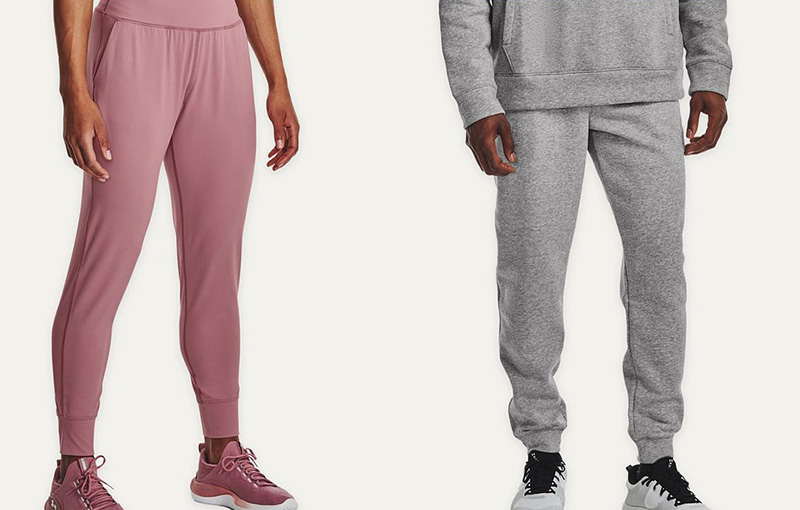
Common performance jogger categories
- Running jogger
- Training jogger
- Warm-up jogger
- Technical active jogger
Why they differ from casual joggers
Fabric is different
Technical joggers often use performance knits or stretch woven structures.
Fit is different
Lower-leg control is usually more important in active categories.
Product testing is different
Movement, moisture, and recovery matter more than pure softness.
Performance category guide
| Jogger type | Main technical requirement |
|---|---|
| Running jogger | Light weight and quick dry |
| Training jogger | Mobility and durability |
| Warm-up jogger | Comfort plus movement readiness |
| Casual jogger | Softness and all-day ease |
That is why performance joggers form a distinct and important branch inside the wider jogger category.
What are jogger types by fit?
Fit is another major way to break the category down. The same fabric and waistband system can create very different products depending on how the jogger is cut through the seat, thigh, knee, and lower leg.
The main jogger types by fit usually include slim joggers, regular-fit joggers, relaxed joggers, and oversized joggers. Each fit changes the product identity, comfort level, and styling direction in a meaningful way.
Slim joggers often work well in performance or premium casualwear. Regular-fit joggers are usually the broadest commercial option. Relaxed joggers support comfort-led categories. Oversized joggers belong more strongly to trend-driven or street-led markets. These are not only visual differences. Fit also changes how the fabric behaves in wear.
At Fusionknits, fit classification is often essential because it affects both the pattern and the material recommendation.
Main fit-based jogger categories
- Slim jogger
- Regular-fit jogger
- Relaxed jogger
- Oversized jogger
Why fit changes the product so much
It changes body pressure
A slim fit needs stronger recovery and support than a relaxed fit.
It changes the visual language
A relaxed jogger feels different from a premium slim jogger even in the same fabric family.
It changes category use
Some fits are more lounge-led, while others are more fashion-led or technical.
Fit guide
| Fit type | Typical product identity |
|---|---|
| Slim jogger | Cleaner and more technical |
| Regular jogger | Broad everyday balance |
| Relaxed jogger | Comfort-led |
| Oversized jogger | Trend or streetwear direction |
That is why fit is one of the most practical ways to identify jogger subtypes.
What are jogger types by fabric and construction?
Fabric is one of the strongest category dividers because it changes both feel and function. A fleece jogger and a stretch woven jogger do not belong to the same practical use space, even if the silhouette looks similar.

The main jogger types by fabric and construction usually include French terry joggers, fleece joggers, jersey joggers, ponte joggers, double-knit joggers, and stretch woven joggers. These fabric categories create very different levels of softness, structure, warmth, and performance.
A French terry jogger is usually soft and versatile. A fleece jogger is warmer and more comfort-led. A ponte jogger is cleaner and more structured. A stretch woven jogger is more technical and performance-oriented. This is why many jogger categories are most easily understood through their fabric story.
At Fusionknits, fabric classification often works hand in hand with use classification, because fabric strongly defines the final product experience.
Main fabric-based jogger categories
- French terry jogger
- Brushed fleece jogger
- Jersey jogger
- Ponte jogger
- Double-knit jogger
- Stretch woven jogger
Why fabric grouping matters so much
It affects comfort and movement
A lounge jogger fabric behaves differently from an active jogger fabric.
It affects silhouette
Some fabrics support cleaner taper and stronger drape.
It affects seasonality
Warm and cool weather products need different structures.
Fabric guide
| Fabric type | Typical jogger role |
|---|---|
| French terry | Everyday casual jogger |
| Fleece | Warm lounge jogger |
| Jersey | Light soft jogger |
| Ponte | Premium structured jogger |
| Stretch woven | Performance or travel jogger |
That is why fabric structure is one of the most useful ways to break joggers into recognizable types.
What are streetwear, cargo, and fashion joggers?
As joggers moved beyond sportswear, more style-driven types began to appear. These categories often depend more on silhouette, details, and visual identity than on pure comfort or performance function.
Streetwear, cargo, and fashion joggers are style-led jogger categories that build on the basic jogger silhouette but add stronger visual design features. Streetwear joggers often use relaxed or oversized fits, cargo joggers add utility pockets and heavier detailing, and fashion joggers may use premium fabric, sharper taper, or more directional styling.
Streetwear joggers usually prioritize silhouette and cultural styling cues. Cargo joggers bring utility language into the category. Fashion joggers may use cleaner premium finishes, unusual paneling, or more advanced materials. All three categories show how far joggers have moved beyond pure athletic roots.
At Fusionknits, these categories are especially important when the collection needs stronger visual identity rather than only broad basic utility.
Main style-led jogger categories
- Streetwear jogger
- Cargo jogger
- Fashion jogger
- Utility jogger
- Premium urban jogger
Why these types matter
They expand the category
Joggers become more than comfortwear.
They allow stronger brand identity
Silhouette and details become more expressive.
They support different customers
Not every jogger buyer is looking for lounge comfort first.
Style-led jogger guide
| Jogger type | Main design focus |
|---|---|
| Streetwear jogger | Silhouette and casual fashion attitude |
| Cargo jogger | Utility detail and pocket structure |
| Fashion jogger | Directional styling and cleaner finish |
| Utility jogger | Function-led visual structure |
That is why style-led joggers are a major branch of the category in modern collections.
Yes, in many collections they are. These categories are built around very specific customer needs. Premium joggers are usually judged by cleaner appearance and better material quality. Travel joggers are judged by comfort and long-wear usefulness.
Yes, premium joggers and travel joggers are their own meaningful categories because they solve different product needs. Premium joggers usually focus on cleaner silhouette, smoother fabrics, and elevated casual styling, while travel joggers focus on long-wear comfort, flexibility, and practical movement across different parts of the day.
Premium joggers may use ponte, double-knit, or smoother technical blends. Travel joggers may use stretch woven or stable knit fabrics that reduce pressure and maintain shape over time. These garments sit between comfortwear and more polished lifestyle apparel.
At Fusionknits, premium and travel joggers are especially important because they show how the jogger category can grow into more sophisticated market levels.
- Cleaner visual finish
- Better materials
- More refined fit
- Stronger premium-casual role
Why travel joggers stand apart
Long-wear comfort matters most
The garment must work through sitting, movement, and changing environments.
Lower pressure fit matters
Travel products need ease without looking sloppy.
Fabric stability matters
The jogger should stay presentable for longer hours.
Premium and travel guide
| Jogger type | Main product goal |
|---|---|
| Premium jogger | Elevated casualwear |
| Travel jogger | Comfort plus practicality |
| Premium travel jogger | Refined long-wear use |
That is why these two subcategories are often worth separating clearly in product planning.
So, how many meaningful jogger types should buyers really work with?
In practice, buyers do not need to count every possible subcategory. They need a useful working structure. The strongest approach is to use a manageable number of main categories and then build subgroups inside them.
In practical apparel development, buyers can usually work with around six to ten meaningful jogger types without making the category confusing. A strong working list often includes lounge joggers, casual everyday joggers, running or performance joggers, travel joggers, premium joggers, streetwear joggers, slim joggers, relaxed joggers, cargo joggers, and fleece-based seasonal joggers.
This is a more useful answer than trying to force one final total. The category is too flexible for that. What matters is whether the buyer understands the main product groups clearly enough to build a balanced assortment.
At Fusionknits, jogger assortments are usually strongest when they mix function-led types with fit-led and style-led types instead of repeating one formula too many times.
A practical working list of jogger types
- Lounge jogger
- Casual everyday jogger
- Performance jogger
- Travel jogger
- Premium jogger
- Streetwear jogger
- Cargo jogger
- Slim jogger
- Relaxed jogger
- Fleece or seasonal jogger
Why this kind of list works well
It is broad enough to be useful
The buyer can cover the main product roles.
It is simple enough to manage
The assortment remains clear.
It supports better development
Each category can have its own fit and fabric direction.
Working assortment guide
| Main type | Best role in a collection |
|---|---|
| Lounge | Comfort foundation |
| Casual | Broad everyday use |
| Performance | Active or technical category |
| Travel | Practical movement and wear |
| Premium | Elevated styling |
| Streetwear or cargo | Visual identity and expansion |
That is why the most useful answer is not a final fixed number, but a strong working group of main jogger types.
How should brands use these jogger categories in collection planning?
The category becomes much more powerful when each jogger type has a clear role. A collection that treats all joggers the same often becomes repetitive and commercially weak.
Brands should use jogger categories in collection planning by separating joggers by use, fit, and style role. A strong assortment usually includes core comfort joggers, at least one technical or travel direction, and one more style-led or premium direction to broaden both function and visual interest.
At Fusionknits, category clarity is one of the strongest drivers of a better jogger range. Once each jogger type is given a clear purpose, fabric selection, pattern development, and color planning become easier and more accurate.
Better collection-planning questions
- Which jogger solves comfort first?
- Which jogger solves performance or travel use?
- Which jogger adds fashion or premium value?
- Is there enough fit variation in the range?
- Are the fabric categories too repetitive?
Why this improves collections
It reduces duplication
Not every jogger should solve the same need.
It improves customer understanding
The range becomes easier to shop.
It strengthens category depth
More useful variation creates stronger assortment value.
Collection guide
| Collection need | Better jogger type |
|---|---|
| Core comfort | Lounge or casual jogger |
| Movement and function | Performance or travel jogger |
| Elevated styling | Premium jogger |
| Street-led variation | Cargo or streetwear jogger |
That is how brands can turn jogger category diversity into stronger commercial planning.
Conclusion
There is no single fixed number of jogger types because joggers can be classified by use, fit, fabric, and style direction at the same time. In practical product development, the main jogger categories usually include lounge joggers, casual everyday joggers, performance joggers, running joggers, travel joggers, premium joggers, streetwear joggers, cargo joggers, slim joggers, relaxed joggers, and fabric-based types such as fleece joggers or French terry joggers. The exact number changes depending on how narrowly the category is divided, but the most useful answer is to work with a clear group of six to ten main product types.
At Fusionknits, the jogger category is strongest when it is understood as a flexible product family rather than one repeated silhouette.
Once buyers understand how many meaningful jogger types exist, they can build better assortments, choose more accurate materials, and create collections that serve different customers more clearly. That is what turns joggers from a simple casual basic into a much stronger and more strategic category in modern apparel development.