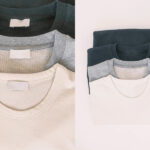
Heavy hoodies feel simple from the outside, but their fabric choice is one of the most important decisions in the whole garment. A hoodie can look thick and still feel weak after washing. Another can feel dense, stable, and premium for years. The difference usually starts with the fabric system.
Heavy hoodies are usually made from heavyweight fleece, heavyweight French terry, loopback cotton, or cotton-rich brushed knit fabrics with high GSM. In many cases, the most common materials are cotton, cotton-polyester blends, or cotton-rich fleece structures that give the hoodie body, warmth, and long-term shape. The best heavy hoodie fabric depends on whether the product is built for premium basics, streetwear, commercial comfortwear, or cold-weather layering.
At Fusionknits, we see heavy hoodie fabric as more than just a weight number. A true heavyweight hoodie needs enough density, surface quality, recovery, and structural support to carry that heavier feel correctly. If the knit is weak, the hoodie may feel bulky but still lose shape. If the fabric is engineered well, the hoodie feels substantial, premium, and dependable in repeated wear.
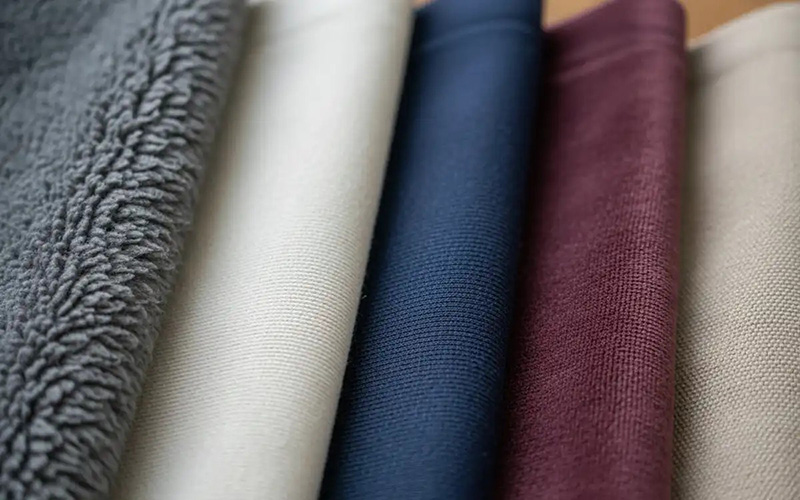
What makes a hoodie fabric “heavy”?
Many people think heavy fabric only means thick fabric, but that is not the full answer. A heavy hoodie fabric should have real body, not just extra bulk. Weight, density, knit structure, and finishing all matter.
A hoodie fabric is considered heavy when it has a higher fabric weight, usually shown in GSM, and enough knit density to create a thicker, more substantial garment. Heavy hoodie fabrics are not only thicker. They are also denser, more structured, and often warmer than standard hoodie fabrics.
A heavy hoodie should feel intentional. It should not collapse too easily, and it should not feel thin at the cuff, hood, or body even after washing. This is why a strong heavyweight fabric depends on more than numbers alone.
At Fusionknits, we usually look at fabric weight together with recovery, drape, brushing quality, and surface stability. That combination tells the real story.
What usually makes a hoodie fabric feel heavy
- Higher GSM
- Denser knit construction
- More substantial yarn use
- Stronger body and drape
- Heavier interior structure such as brushed fleece or loopback
Why heaviness is not only about thickness
Density matters
A loosely built thick knit can still feel weak.
Surface stability matters
A heavy hoodie should not pill or distort too quickly.
Recovery matters
The hoodie must hold shape even with more fabric mass.
| Fabric factor | Why it matters |
|---|---|
| GSM | Increases weight level |
| Knit density | Improves structure |
| Yarn quality | Supports surface and durability |
| Finishing | Changes hand feel and stability |
Is heavyweight fleece the most common fabric for heavy hoodies?
Yes, in many commercial and premium categories, heavyweight fleece is the most common answer. It delivers the warmth, interior softness, and body that customers usually expect from a heavy hoodie.

Yes, heavyweight fleece is one of the most common fabrics used for heavy hoodies because it combines thickness, warmth, and a soft brushed interior. It is especially strong in winter hoodies, oversized streetwear hoodies, and premium comfort basics.
At Fusionknits, heavyweight fleece is often the first fabric direction we consider when a buyer wants a substantial hoodie. It gives the garment that familiar plush feeling on the inside while still allowing a strong exterior shape when the knit is dense enough.
Why heavyweight fleece is so common
- Warm brushed interior
- Strong comfort value
- Familiar classic hoodie identity
- Good fit for cold-weather products
- Strong support for oversized silhouettes
Where heavyweight fleece works best
Heavy fleece helps oversized hoodies keep a more powerful silhouette.
Winter comfortwear
The brushed inside improves warmth and softness.
Premium casual categories
Customers often connect fleece weight with value and comfort.
| Fabric type | Best hoodie role |
|---|---|
| Heavy brushed fleece | Warm heavyweight hoodie |
| Cotton-rich fleece | Premium heavy basic |
| Cotton-poly fleece | Broader commercial heavyweight hoodie |
Are heavy hoodies made from 100% cotton or blends?
Both are common, and each one serves a different product purpose. A heavy hoodie can be made from 100% cotton, but many large-scale programs also use blends for practical reasons.
Heavy hoodies are often made from either 100% cotton or cotton-polyester blends. Pure cotton is popular in premium basics and washed streetwear because of its natural hand feel, while cotton-poly blends are common in commercial heavy hoodies because they offer better recovery, lower shrink risk, and easier repeated care.
At Fusionknits, we usually choose between pure cotton and blends based on category role. If the hoodie is meant to feel premium, natural, and slightly more authentic, 100% cotton can be an excellent direction. If the hoodie needs more durability and easier wash stability, a strong blend may be better.
Common fiber directions in heavy hoodies
- 100% cotton fleece
- Cotton-polyester fleece
- Cotton-rich loopback knit
- Cotton-blend French terry
- Cotton-elastane blends in selected niche styles
Why both fiber stories remain important
Cotton gives natural comfort
It usually feels softer and more authentic.
Blends improve stability
They often hold shape better over time.
Product role decides the better answer
A premium washed hoodie and a school basics hoodie should not use the same fabric logic automatically.
| Fiber direction | Main strength |
|---|---|
| 100% cotton | Natural premium feel |
| Cotton-poly blend | Better commercial stability |
| Cotton-rich blend | Balance of comfort and durability |
Is French terry used in heavy hoodies too?
Yes. Many people connect French terry with lighter sweatshirts, but heavyweight French terry is also used in heavy hoodies, especially when the goal is substantial body without a brushed fleece interior.
Yes, French terry is also used in heavy hoodies, especially in heavier knit versions with higher GSM. Heavyweight French terry gives the hoodie body, structure, and breathability while feeling slightly cleaner and less plush than brushed fleece.
At Fusionknits, heavyweight French terry works especially well in premium basics, trans-seasonal heavy hoodies, and cleaner oversized silhouettes. It often feels more refined than fleece because the inside loopback structure remains visible instead of being brushed into softness.
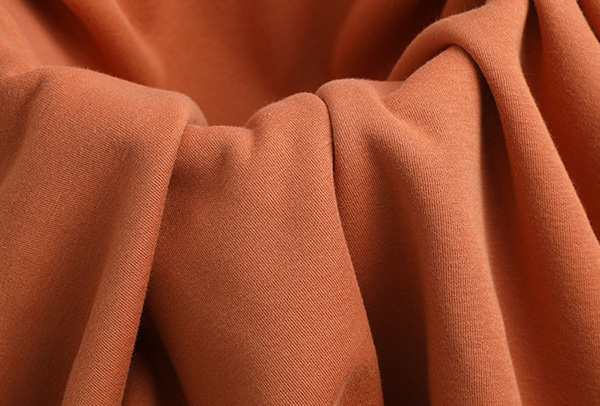
Why heavyweight French terry is useful
- Strong body and weight
- Cleaner inside feel
- Better breathability than some heavy fleece
- More refined premium-basic identity
- Good for year-round heavier casualwear in some markets
Why brands choose it
It feels substantial without being too soft
Some buyers want weight without maximum plushness.
It supports cleaner silhouettes
The body can feel more controlled and less lounge-like.
The fabric feels more disciplined and modern.
| Fabric type | Best hoodie role |
|---|---|
| Heavy French terry | Clean heavyweight basic |
| Loopback terry | Premium oversized hoodie |
| Brushed fleece | Cozier heavyweight hoodie |
Loopback cotton is one of the strongest premium fabric directions for heavyweight hoodies. It creates a substantial garment without always relying on heavy brushing or an overly soft interior.
Loopback cotton is a knit structure with visible looped yarns on the inside rather than a brushed fleece finish. It is used in premium heavy hoodies because it gives strong body, better breathability, cleaner structure, and a more refined heavyweight feel.
At Fusionknits, loopback cotton is especially useful when a brand wants the hoodie to feel elevated, substantial, and authentic. It works well in premium basics, washed Japanese-inspired casualwear, and minimal streetwear where the product should feel dense and durable rather than overly plush.
- Denser and more controlled body
- Cleaner internal structure
- Strong breathability for its weight
- Better support for premium silhouette
- Strong natural-fiber identity
Why it works in heavy hoodies
It gives real weight without excessive bulk
The hoodie feels substantial in a more controlled way.
It supports shape well
This helps oversized and structured fits perform better.
It feels more refined
The hoodie moves away from pure comfortwear and toward premium casualwear.
| Fabric type | Main effect |
|---|---|
| Loopback cotton | Refined heavyweight structure |
| Brushed fleece | Plush warmth and softness |
| French terry | Balanced weight and breathability |
What fabric details matter most in a good heavy hoodie?
The fabric name matters, but the smaller technical details often decide whether the heavy hoodie actually feels premium. Two hoodies may both claim to be heavyweight fleece, but one can still perform much better than the other.

The most important fabric details in a good heavy hoodie are knit density, yarn quality, surface stability, recovery, brushing quality if fleece is used, shrink control, and the way the fabric supports the hood, cuff, and hem. A good heavy hoodie should feel dense and stable, not just thick.
At Fusionknits, this is where fabric evaluation becomes more professional. A heavy hoodie should keep its body after wash. The face should not pill too quickly. The rib should still work with the weight of the body. The hood should not collapse because the fabric is too weak.
The fabric details that matter most
- Density
- Surface quality
- Recovery
- Interior finish
- Shrinkage control
- Rib compatibility
- Hood support
Bulk alone is not quality
A thick but weak hoodie still disappoints after use.
Weight increases stress on the garment
The heavier the body, the more the fabric and trim must support shape.
Better fabric makes better silhouettes
Premium oversized hoodies depend heavily on strong material discipline.
| Fabric detail | Product effect |
|---|---|
| Dense knit | Better structure |
| Better surface | Less pilling |
| Better recovery | Stronger long-term shape |
| Better shrink control | More reliable fit |
So what fabric is most often used for heavy hoodies?
The most common answer is heavyweight fleece, especially cotton-rich or cotton-blend fleece. But premium and cleaner heavyweight hoodies also often use heavyweight French terry or loopback cotton.
The fabric most often used for heavy hoodies is heavyweight fleece, usually in 100% cotton or cotton-poly blend form. However, heavyweight French terry and loopback cotton are also widely used in premium heavy hoodies where structure, cleaner finish, and refined body matter more than plush interior softness.
At Fusionknits, we usually explain it this way: if the buyer wants warmth and soft comfort, heavyweight fleece is often the strongest answer. If the buyer wants a cleaner premium heavy hoodie, heavyweight French terry or loopback cotton may be better.
Conclusion
Heavy hoodies are usually made from heavyweight fleece, heavyweight French terry, or loopback cotton, most often in 100% cotton or cotton-poly blend constructions.
Heavyweight fleece is the most common fabric because it gives warmth, body, and the soft interior feel many customers expect from a substantial hoodie. Heavyweight French terry is also important when brands want weight with more breathability and a cleaner inside finish. Loopback cotton is especially strong in premium heavy hoodies because it offers structure, density, and a more refined heavyweight identity.
At Fusionknits, the best heavy hoodie fabric is never chosen by GSM alone. A strong heavyweight hoodie needs dense knit construction, better yarn quality, strong surface stability, and enough recovery to support the full garment. When those parts work together, the hoodie feels substantial, premium, and reliable. That is what makes heavy hoodie fabric truly effective.