
Tank tops look light and simple, so many people assume they can be worn several times without much thought. In real use, tanks sit very close to the skin, collect sweat quickly, and often work in hot weather, workouts, layering, or sleepwear. That means the right cleaning schedule matters more than many buyers expect.
You should usually clean your tanks after 1 wear if they are worn directly against the skin, used in hot weather, or used for exercise. In lighter, low-sweat conditions, some tanks may be worn 2 times before washing, but only if the fabric still feels fresh, dry, and clean. In most cases, tanks need more frequent cleaning than looser tops because they are high-contact garments.
At Fusionknits, we see tanks as a close-contact apparel category. That changes the care logic completely. A tank is not like a jacket, overshirt, or even a loose tee. It usually sits closer to the chest, underarm, and back, which means body oils, sweat, and daily wear build up faster. A smart cleaning rhythm protects both hygiene and garment life.
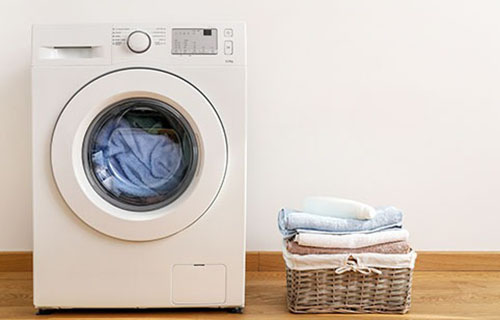
Why Do Tanks Need Frequent Cleaning?
The main reason is direct body contact. Tanks usually touch the skin across the chest, shoulders, back, and underarm area. That means they absorb body oils, sweat, deodorant residue, skincare products, and heat much faster than outer layers.
Tanks need frequent cleaning because they sit directly against the body and collect sweat, oil, and underarm buildup more quickly than many other tops. Since they are often worn in warm conditions or as base layers, freshness drops faster and washing becomes more important.
At Fusionknits, this matters because tanks are often judged by comfort first. Once a tank starts to feel stale, sticky, or heavy, the product loses value very quickly. Even if the garment still looks fine, the wearing experience may already be weaker.
Why tanks collect wear so quickly
- Direct skin contact
- Close contact near underarms
- Common use in warm weather
- Frequent use in active settings
- Light fabrics that show wear feel faster
Why cleaning helps the product stay useful
Freshness affects comfort
A tank should feel light and clean against the skin.
Hygiene affects confidence
A close-contact garment becomes unpleasant faster when it is not washed often enough.
| Wear factor | Why it increases cleaning need |
|---|---|
| Underarm contact | Faster odor buildup |
| Body oils | Changes fabric feel |
| Heat and sweat | Reduces freshness quickly |
Is There a Standard Rule for Cleaning Tanks?
Yes, there is a practical rule, but it should be treated as a working guideline rather than an absolute law. The actual answer still depends on how the tank is worn.

A practical standard rule is to clean tanks after 1 wear in most direct-skin situations. If the tank was worn briefly, in cool conditions, and without much sweat, a second wear may sometimes be acceptable, but 1 wear is still the safest and strongest general rule.
At Fusionknits, we usually recommend thinking of tanks more like close-contact basics than casual outer layers. That mindset helps customers make better care decisions and also helps brands explain realistic garment use.
A simple cleaning guide
- 1 wear for workout tanks
- 1 wear for hot-weather tanks
- 1 wear for sleep tanks in warm conditions
- 1 to 2 wears for very light low-sweat use
- 2 wears only if the garment still feels truly fresh
Why this rule works well
It fits the product role
Most tanks function as body-close garments.
It protects both comfort and fabric life
The shirt stays cleaner without being neglected.
| Use level | Suggested cleaning timing |
|---|---|
| Heavy sweat use | After 1 wear |
| Daily close-skin wear | After 1 wear |
| Low-sweat light wear | Sometimes after 2 wears |
Should You Wash Tanks After Every Wear?
In many cases, yes. That is especially true when the tank is worn directly on the skin for long hours or during any activity that creates sweat. This is often the most realistic answer for everyday use.
Yes, you should often wash tanks after every wear, especially if they are worn close to the body, used in hot weather, used for working out, or worn for many hours. Tanks that function like undershirts or gym tops usually need cleaning after every use.
At Fusionknits, the strongest care advice is use-based. If the tank did the work of a base layer, it should usually go into the wash. If it only had very light wear for a short time, there may be more flexibility.
When every-wear washing makes the most sense
- Exercise or training
- Hot and humid weather
- All-day direct-skin wear
- Sleepwear use
- Sensitive skin situations
- Close-fit rib tanks or undershirt tanks
Why one-wear cleaning is often the best answer
Tanks are high-contact garments
They pick up body residue faster than many other tops.
Sweat does not need to be visible to matter
A tank can feel less fresh before it looks dirty.
| Condition | Wash after every wear? |
|---|---|
| Gym tank | Yes |
| Fitted rib tank | Usually yes |
| Sleep tank | Usually yes |
| Short cool-weather wear | Sometimes not necessary |
Does It Matter If the Tank Is Used for Layering or as Outerwear?
Yes, it matters a lot. The cleaning schedule should change depending on the garment’s actual role. A tank worn like an undershirt usually needs faster washing than a loose tank worn for a short casual outing.
Yes, it matters whether the tank is used for layering or as outerwear. A tank used as an undershirt should usually be cleaned after every wear because it sits directly against the body all day. A looser tank worn briefly as an outer top in cooler conditions may sometimes be worn twice if it still feels clean.
At Fusionknits, product function always changes care logic. A fitted base-layer tank and a loose beach tank do not carry the same amount of direct body pressure. That means they should not always follow the same wash schedule.
Tanks that usually need faster cleaning
- Undershirt tanks
- Fitted rib tanks
- Body-skimming layering tanks
- Workout tanks
- Sleep tanks
Tanks that may allow slightly slower rotation
Relaxed outerwear tanks
These sometimes collect less body pressure in short wear.
Short casual-use tanks
Less wear time can mean slower buildup.
| Tank role | Typical cleaning rhythm |
|---|---|
| Base-layer tank | After 1 wear |
| Workout tank | After 1 wear |
| Loose casual tank | Often after 1 wear, sometimes 2 |
How Do Weather and Sweat Change the Cleaning Schedule?
Heat and body moisture make a huge difference. Tanks are often worn in summer or active situations, which means they usually see more sweat than many other tops.
Weather and sweat strongly change the cleaning schedule because heat, humidity, and activity increase how quickly tanks absorb moisture, odor, and body residue. In warm conditions, tanks should usually be cleaned after every wear.
At Fusionknits, this is one of the main reasons tanks need realistic wash guidance. Light fabric in hot weather often feels less fresh much faster, even when the wearer thinks the garment still looks acceptable.
Conditions that increase cleaning frequency
- Hot weather
- Humid weather
- Outdoor walking
- Gym use
- Long daily wear
- Warm indoor environments
Why weather matters so much
Tanks are often summer garments
The category naturally lives in hotter conditions.
Heat increases sweat contact
This reduces the number of safe rewears quickly.
| Condition | Better cleaning choice |
|---|---|
| Hot and humid | After 1 wear |
| Warm and active | After 1 wear |
| Cool and low-sweat | Sometimes after 2 wears |
Does Fabric Type Affect How Often Tanks Should Be Cleaned?
Yes. Fabric changes how the tank absorbs moisture, holds odor, and reacts to repeated washing. The cleaning schedule may stay similar, but the care method may need to change.

Yes, fabric type affects how often tanks should be cleaned because cotton, rib knits, modal blends, and performance fabrics all behave differently. Cotton and rib tanks often need regular washing because they stay close to the skin, while performance tanks also need frequent cleaning because they are often used in sweat-heavy settings.
At Fusionknits, fabric affects both wear count and maintenance style. A cotton rib tank may feel great, but it should still be washed gently and often. A performance tank may dry quickly, but it still needs cleaning after workouts because odor and residue build up fast.
Common tank fabrics and care behavior
- Cotton: breathable, easy to wash, often clean after 1 wear
- Rib cotton-elastane: fitted, close-contact, usually 1-wear cleaning
- Modal blend: soft, smooth, but should be washed gently
- Performance knit: best cleaned after activity use
Why fabric still matters
Some fabrics absorb more moisture
This affects how quickly they stop feeling fresh.
Some fabrics need gentler care
Frequent washing is fine, but the method must protect the garment.
| Fabric type | Typical cleaning need |
|---|---|
| Cotton tank | Usually after 1 wear |
| Rib stretch tank | Usually after 1 wear |
| Modal blend tank | Usually after 1 wear |
| Performance tank | After every workout wear |
How Can You Clean Tanks Often Without Ruining Them?
This is the practical side of the question. Tanks often need frequent washing, but that does not mean they should be washed roughly. Good care keeps them fresh without damaging fit and fabric.
You can clean tanks often without ruining them by using mild detergent, washing with similar lightweight garments, choosing gentle cycles when needed, and avoiding excessive heat in drying. Frequent washing is normal for tanks, but harsh washing shortens their life unnecessarily.
At Fusionknits, this is especially important for stretch rib tanks, modal blends, and lighter jerseys. These fabrics can stay strong with the right care, but they may lose shape faster when exposed to rough washing or very high heat.
Better tank-care habits
- Wash with other lightweight tops
- Use mild detergent
- Avoid overloading the machine
- Choose lower heat when drying
- Air dry delicate tanks when possible
- Follow care labels carefully
Why proper care protects the garment
Tanks are frequent-wash items
So care quality matters more over time.
Stretch and lightweight knits need protection
They can weaken faster under rough treatment.
| Care habit | Benefit |
|---|---|
| Gentle wash | Less fabric stress |
| Low heat | Better shape retention |
| Similar-garment wash | Less abrasion |
So, How Often Should You Really Clean Your Tanks?
The most practical answer is simple. In most real-life situations, tanks should be cleaned after 1 wear, especially when they are used the way tanks are usually worn: close to the skin, in heat, during activity, or under other garments.
You should really clean your tanks after 1 wear in most normal direct-skin situations. A second wear may be possible only when the tank had short, cool, low-sweat use and still feels completely fresh. For workouts, base layers, summer wear, and sleepwear use, 1 wear is the strongest and safest rule.
At Fusionknits, this is the clearest balance between hygiene, comfort, and realistic garment care. Tanks are not outer layers. They are close-contact basics, and they should be treated that way.
Conclusion
Tanks should usually be cleaned after 1 wear because they sit close to the skin, collect sweat and body oils quickly, and are often used in warm weather, workouts, layering, or sleepwear.
In very light and low-sweat conditions, some tanks may be worn 2 times before washing, but only if they still feel dry, fresh, and clean. The right cleaning schedule depends on body contact, weather, activity level, and fabric type, but for most direct-skin use, 1 wear is the most practical rule.
At Fusionknits, we see tanks as a high-contact category that depends on freshness and repeat comfort. A good cleaning rhythm keeps the garment pleasant to wear while protecting its shape, fabric, and long-term value. When tanks are washed often enough and cared for gently, they stay more comfortable, more reliable, and much easier to wear again and again.