
Many people use the word shirt for almost everything worn on the upper body. That sounds simple, but in apparel development it creates confusion. A polo is a type of shirt, but it is not the same as every other shirt. The difference matters because fabric, structure, fit, and styling all change once the product category becomes more specific.
The difference between a polo and a shirt is that a polo is a specific kind of shirt with a soft collar, short placket, and usually knit construction, while “shirt” is a broad category that includes many different upper-body garments such as dress shirts, casual shirts, T-shirts, and polos. In practical terms, a polo usually sits between a T-shirt and a woven shirt in structure, formality, and styling use.
At Fusionknits, we treat polos and shirts as related but clearly different product roles. A polo is not just a shirt with buttons, and a shirt is not always a polo. Once the buyer understands the difference in fabric, collar, placket, and use case, the category becomes much easier to source and develop correctly.
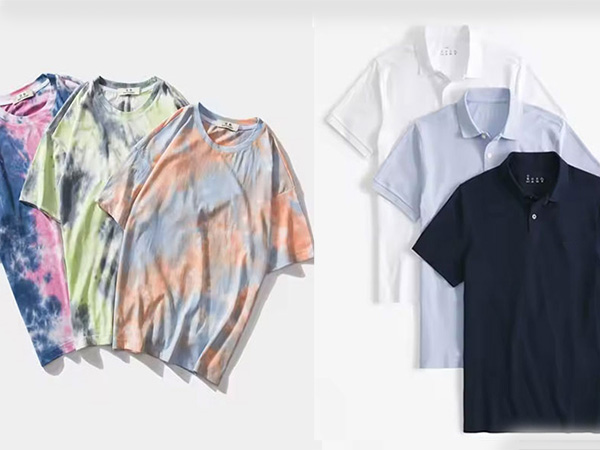
Is a Polo Actually a Type of Shirt?
Yes, technically it is. This is the first thing to make clear. A polo belongs inside the wider shirt family, but it has its own shape, fabric logic, and styling identity.
Yes, a polo is a type of shirt, but it is a more specific category within the larger shirt family. All polos are shirts, but not all shirts are polos. The word “shirt” is broad, while “polo” describes a more defined garment type.
At Fusionknits, this distinction matters because general category language can hide important product details. A buyer may ask for a shirt but actually mean a woven button-down, a knit polo, or a jersey crewneck. Each one belongs to the wider upper-body category, but they are built very differently.
Why the terms get mixed together
- “Shirt” is a broad everyday word
- Many upper-body garments share collars or plackets
- Customers often describe by appearance, not construction
- Retail categories use different wording across markets
Why the distinction still matters
Product development changes by category
A polo and a woven shirt do not use the same fabric or construction logic.
Customer expectations change
A customer expects different comfort, structure, and styling from each one.
| Term | Meaning |
|---|---|
| Shirt | Broad upper-body garment category |
| Polo | Specific knit shirt type |
What Makes a Polo Different from a General Shirt?
A polo becomes distinct because it combines several features in one recognizable format. It usually has a collar, a short button placket, and a softer body than a formal shirt. That combination gives it a separate place in apparel.

A polo is different from a general shirt because it usually uses knit fabric, a soft fold-down collar, and a short placket with two or three buttons. A general shirt may use many other constructions, including full button fronts, woven fabrics, and more formal collar structures.
At Fusionknits, we usually explain the polo as a hybrid category. It is more polished than a T-shirt, but less formal than a woven shirt. That middle position is exactly what makes it so commercially useful.
Typical features of a polo
- Soft collar
- Short front placket
- Usually short sleeves
- Usually knit fabric
- Casual to smart-casual styling role
Typical features of other shirts
Woven shirts
Often use full front button openings and more structured collars.
T-shirts
Usually have no collar and no front placket.
Casual overshirts
Often use heavier fabric and looser layering function.
| Garment type | Core identity |
|---|---|
| Polo | Knit collared casual shirt |
| Woven shirt | Structured button-front shirt |
| T-shirt | Collarless knit basic |
Is the Main Difference the Fabric?
In many cases, yes. Fabric is one of the biggest technical differences between a polo and many other shirts. Most classic polos are made from knit fabrics, especially piqué, while many standard shirts are made from woven fabrics.
Yes, one of the main differences is the fabric. A polo is usually made from knit fabric such as piqué or jersey, while many other shirts, especially dress shirts and button-downs, are made from woven fabrics such as poplin, oxford, or twill.
At Fusionknits, this fabric difference changes almost everything. Knit fabric gives a polo more stretch, softness, and ease. Woven fabric gives a shirt more structure, crispness, and formality. This is one of the clearest reasons the two categories feel different on the body.
Why knit fabric changes the polo
- Softer wearing feel
- More natural stretch
- More casual body behavior
- Better comfort in movement
- Strong sport-casual identity
Why woven fabric changes the shirt
More structure
Woven shirts usually hold sharper lines.
More formal appearance
The garment often feels cleaner and more dressed.
Less built-in stretch
The fit depends more on pattern than fabric flexibility.
| Fabric type | Typical product result |
|---|---|
| Knit | Softer, easier, more casual |
| Woven | Sharper, crisper, more formal |
How Is the Collar Different on a Polo and a Shirt?
The collar is one of the easiest visual differences to notice. Even when both garments have collars, the way those collars are built is not the same.
The collar on a polo is usually softer, lighter, and more flexible than the collar on many standard shirts. A woven shirt collar is often more structured, sharper, and designed to hold a cleaner formal line.
At Fusionknits, collar construction is one of the strongest category signals. A polo collar should feel easy and wearable. A woven shirt collar often needs more defined shaping. That difference affects both comfort and style.
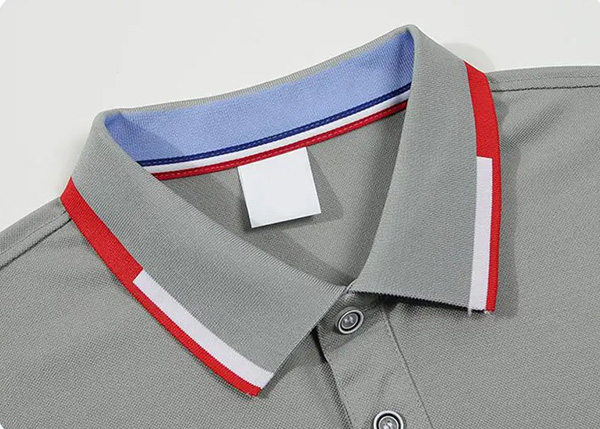
Typical polo collar traits
- Softer hand feel
- Less rigid structure
- More relaxed fold
- Usually knit or rib-based collar construction
Typical shirt collar traits
Sharper points or edges
These help the shirt look cleaner and more formal.
More structure
This supports tailoring and officewear styling.
| Collar type | Main effect |
|---|---|
| Polo collar | Relaxed and sporty |
| Woven shirt collar | Structured and polished |
Is a Polo More Casual Than a Shirt?
Usually yes, but the answer depends on what type of shirt you are comparing it to. A polo is generally more casual than a dress shirt, but it can still look more polished than a T-shirt.
Yes, a polo is usually more casual than a woven dress shirt, but more polished than a T-shirt. It typically sits in the middle of the formality range, which is why it works so well in smart-casual and relaxed business-casual settings.
At Fusionknits, this middle position is one of the main reasons buyers continue to choose polos. They give structure without the pressure of formal shirting. That makes them highly practical in modern wardrobes.
Why polos feel more casual
- Softer fabric
- Less rigid collar
- Shorter placket
- More relaxed body movement
- Strong sport heritage
Why polos are still more polished than tees
The collar adds structure
This helps the garment look more complete.
The placket adds visual order
Even a short button opening makes the shirt feel more dressed.
| Garment | General formality level |
|---|---|
| T-shirt | Casual |
| Polo | Smart-casual |
| Dress shirt | More formal |
How Does the Fit Usually Differ Between a Polo and a Shirt?
Fit often changes because the garment function changes. A polo usually follows the body in a softer, easier way. A woven shirt often uses more structured shaping and sometimes more exact shoulder and chest balance.

A polo usually has a softer and more body-skimming fit, while a woven shirt often uses a more structured fit with cleaner lines through the shoulder, sleeve, and torso. The difference comes from both the product purpose and the fabric behavior.
At Fusionknits, fit must follow construction. Knit polos can allow more natural body movement because the fabric already gives some flexibility. Woven shirts need more careful pattern balance because the fabric does less of that work.
Common polo fit traits
- Easier movement
- Softer silhouette
- Cleaner casual shaping
- Better comfort in active daily wear
Common woven-shirt fit traits
More structured shoulder line
This helps the shirt maintain a sharper look.
More exact shaping
The fit often depends on cleaner pattern control.
| Garment type | Typical fit character |
|---|---|
| Polo | Soft, easy, body-skimming |
| Woven shirt | More structured and precise |
When Should Someone Wear a Polo Instead of a Shirt?
The answer usually depends on the setting, comfort needs, and how polished the outfit needs to feel. A polo is best when someone wants to look put together without feeling too formal.
Someone should wear a polo instead of a more formal shirt when the setting is casual, smart-casual, travel-oriented, warm-weather, or comfort-led. A polo is often the stronger choice when the wearer wants ease and polish at the same time.
At Fusionknits, we see polos perform especially well in workplaces with relaxed dress codes, resort settings, travel wardrobes, golf and leisure use, and premium casual collections. A woven shirt may still be the better choice in formal officewear, dress codes, or sharper tailored settings.
Best uses for a polo
- Smart-casual dressing
- Warm-weather events
- Travel
- Resortwear
- Leisure and golf-inspired settings
- Relaxed office environments
Better uses for a woven shirt
Formal work settings
A structured shirt usually fits better here.
Dressier styling
When the look needs more precision, a woven shirt often wins.
| Situation | Better choice |
|---|---|
| Smart-casual dinner | Polo |
| Formal office | Woven shirt |
| Weekend travel | Polo |
| Tailored business look | Woven shirt |
Why Does This Difference Matter for Brands and Buyers?
This is not only a vocabulary issue. The difference between a polo and a shirt changes how the product should be designed, sourced, marketed, and sold.
The difference matters for brands and buyers because polos and shirts require different fabrics, patterns, collar construction, and customer positioning. If the category is misunderstood, the final product may feel wrong even if the quality is good.
At Fusionknits, we often see confusion start when the product brief is too general. A buyer asks for a shirt, but the end use is actually polo-driven. Or a brand wants a polo feeling in a woven product. That mismatch weakens the entire development process.
Why category clarity helps
- Improves sourcing accuracy
- Reduces product-development mistakes
- Creates better customer expectations
- Supports stronger collection planning
Why product language must stay precise
Fabric choice depends on it
Knit and woven development follow different paths.
Fit logic changes
A polo and a shirt should not be patterned the same way.
| Product area | Why the distinction matters |
|---|---|
| Fabric | Knit vs woven |
| Collar | Soft vs structured |
| Fit | Easy vs sharper |
| Styling | Casual vs more formal |
Conclusion
A polo and a shirt are related, but they are not the same thing. A polo is a type of shirt, but it is a more specific category defined by knit fabric, a soft collar, and a short placket.
A general shirt category is much broader and includes woven dress shirts, casual shirts, and many other upper-body garments. In practical use, a polo usually sits between a T-shirt and a woven shirt. It is more polished than a tee, but less formal than a traditional button-front shirt.
At Fusionknits, this difference matters because product language shapes product quality. A polo should be developed as a knit collared garment with comfort, ease, and smart-casual value in mind. A shirt may follow a very different path depending on whether it is formal, casual, or utility-based. When buyers understand the difference clearly, they make better sourcing decisions and build stronger apparel collections.