Many people use the words polo and collared shirt as if they mean the same thing. That sounds harmless, but in apparel development it creates real confusion. A polo has a collar, but not every collared shirt is a polo. Once fabric, placket, fit, and styling are examined more closely, the difference becomes much clearer.
The difference between a polo and a collared shirt is that a polo is one specific kind of collared shirt, while “collared shirt” is a broad category that includes many garments with collars. A polo usually uses knit fabric, a soft collar, and a short placket, while other collared shirts may use woven fabric, full button fronts, and more structured collar construction.
At Fusionknits, we treat this as an important product-language issue. A buyer who asks for a collared shirt may mean a polo, an oxford shirt, a dress shirt, or even a casual overshirt. That is why the category must be defined correctly before fabric, fit, and construction decisions are made.
Is a Polo a Type of Collared Shirt?
Yes, technically it is. This is the first point that needs to be clear. A polo belongs inside the larger collared-shirt family, but it is only one member of that family.
Yes, a polo is a type of collared shirt, but it is not the same as the whole collared-shirt category. All polos are collared shirts, but many collared shirts are not polos.
At Fusionknits, this matters because broad category language often hides important technical differences. If a product brief says “collared shirt” but the buyer really wants a knit polo, the factory may develop the wrong fabric, collar, and front opening. That creates avoidable mistakes.
Why the terms get confused
- Both garments have collars
- Both are worn on the upper body
- Both can appear in smart-casual styling
- Customers often describe by appearance first
- Retail language is sometimes too broad
Why the difference still matters
Product development changes
A polo and a woven collared shirt are not built the same way.
Customer expectations change
Comfort, formality, and wear use are different.
| Term | Meaning |
|---|---|
| Polo | A specific knit collared shirt |
| Collared shirt | A broad category of shirts with collars |
What Makes a Polo Different From Other Collared Shirts?
The main difference is that a polo follows a more specific formula. It is not just a shirt with a collar. It has a recognizable construction and a specific balance between comfort and polish.

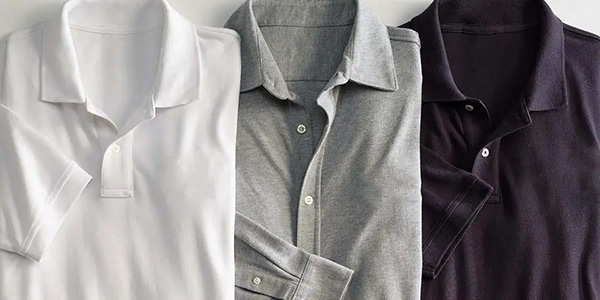
A polo is different from other collared shirts because it usually has knit fabric, a soft fold-down collar, and a short placket with a few buttons. Other collared shirts often use woven fabrics, full front button openings, and more structured collar systems.
At Fusionknits, we often describe the polo as a middle category. It sits between a T-shirt and a woven shirt. That gives it a very useful market role, but it also means it should not be confused with broader collared-shirt types.
Common features of a polo
- Soft collar
- Short front placket
- Usually short sleeves
- Knit fabric
- Sport-casual or smart-casual role
Common features of other collared shirts
Woven construction
Many collared shirts use poplin, oxford, twill, or other woven materials.
Full front opening
A standard shirt often buttons all the way down the body.
Sharper structure
The collar and front usually feel more formal.
| Garment type | Core construction style |
|---|---|
| Polo | Knit, soft collar, short placket |
| Collared woven shirt | Woven, full button front, structured collar |
Is Fabric the Biggest Difference Between a Polo and a Collared Shirt?
In many cases, yes. Fabric is one of the clearest technical differences. A classic polo is usually made from knit fabric, while many other collared shirts are made from woven fabric.
Yes, fabric is one of the biggest differences between a polo and many other collared shirts. Polos are usually made from knit fabrics such as piqué or jersey, while many collared shirts use woven fabrics such as poplin, oxford, chambray, or twill.
At Fusionknits, this fabric difference changes the entire product behavior. Knit fabric gives a polo more softness, stretch, and ease. Woven fabric gives a collared shirt more crispness, structure, and formality. The same collar category can therefore feel very different depending on the fabric system.
Why knit fabric changes the polo
- Softer wearing feel
- Better movement comfort
- More casual appearance
- Less rigid body behavior
- Stronger fit with relaxed dressing
Why woven fabric changes the shirt
More structure
The shirt keeps sharper lines through the collar and front.
More formal styling value
The garment moves more easily into officewear and dressier use.
| Fabric type | Product effect |
|---|---|
| Knit | Soft, easy, more casual |
| Woven | Crisp, structured, more formal |
How Is the Collar Different on a Polo and a Collared Shirt?
Even though both garments have collars, the collar construction is not usually the same. This is one of the most visible product differences once the garments are placed side by side.
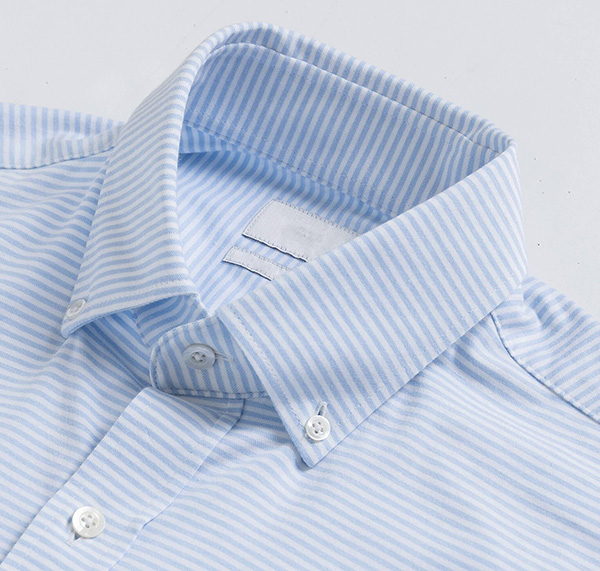
The collar on a polo is usually softer, more flexible, and less structured than the collar on many other collared shirts. A woven collared shirt often has a sharper and more stable collar shape that is built to look cleaner and more formal.
At Fusionknits, collar behavior is one of the first things we examine during sampling. A polo collar should sit easily and naturally. A dress or casual woven shirt collar usually needs more defined shape. This difference affects both the look and the wearing experience.
Typical polo collar traits
- Soft fold
- Less rigid construction
- More casual appearance
- Often made from knit or rib-based collar material
Typical collared-shirt collar traits
Sharper edge definition
This supports a cleaner finished look.
More structure
The collar is often built to hold shape more firmly.
| Collar type | Main identity |
|---|---|
| Polo collar | Soft and sport-casual |
| Woven shirt collar | Sharper and more formal |
Is a Polo More Casual Than a Collared Shirt?
Usually yes, but the answer depends on what kind of collared shirt it is being compared to. In general, a polo is more casual than a dress shirt and many button-front shirts, but still more polished than a T-shirt.
Yes, a polo is usually more casual than many collared shirts, especially formal woven shirts. A polo typically belongs in the smart-casual range, while many other collared shirts can move into business, formal, or dressier settings more easily.
At Fusionknits, we see the polo as one of the strongest categories for customers who want a polished look without the stiffness of a more structured shirt. That middle position is exactly why the polo remains important.
Why polos feel more casual
- Softer collar
- Knit body fabric
- Shorter placket
- Stronger sport heritage
- Easier body movement
Why other collared shirts often feel dressier
More structure
The woven fabric and sharper collar raise the formality level.
Full front opening
This often gives the shirt a cleaner dress-shirt identity.
| Garment | General style level |
|---|---|
| T-shirt | Casual |
| Polo | Smart-casual |
| Woven collared shirt | Smart-casual to formal |
How Is the Fit Usually Different?
Fit often changes because the fabric and product purpose change. A polo is usually built to feel easier and more flexible. A woven collared shirt often depends more on exact shaping and cleaner lines.

A polo usually has a softer and more body-skimming fit, while many collared shirts use more structured shaping through the shoulder, sleeve, and torso. The fit difference comes from both the garment purpose and the fabric behavior.
At Fusionknits, this is where many buyers notice the difference most clearly. A polo often feels more natural in movement. A woven collared shirt often feels more precise and visually sharper, especially when tucked or worn in dressier styling.
Typical polo fit traits
- Softer silhouette
- Easier movement
- More forgiving body line
- Better fit with casual wear
Typical collared-shirt fit traits
More defined shoulder line
This supports a cleaner shirt silhouette.
More exact torso balance
The shirt often relies more on tailoring logic than on fabric stretch.
| Garment type | Typical fit feel |
|---|---|
| Polo | Easy and body-skimming |
| Woven collared shirt | Structured and more exact |
When Should Someone Choose a Polo Instead of Another Collared Shirt?
The best choice depends on the setting, the dress level, and the wearer’s comfort needs. A polo is often the stronger option when the goal is ease with polish.
Someone should choose a polo instead of another collared shirt when the situation is casual, smart-casual, warm-weather, travel-oriented, or comfort-led. A more structured collared shirt is usually the better choice when sharper dress value or formal presentation is needed.
At Fusionknits, polos are usually strongest in relaxed office settings, leisurewear, resortwear, golf-inspired use, and modern smart-casual dressing. Woven collared shirts remain stronger in formal businesswear, dressier meetings, and more tailored outfits.
Best uses for a polo
- Smart-casual outfits
- Travel wardrobes
- Warm-weather dressing
- Relaxed business-casual use
- Resort or leisure styling
Better uses for other collared shirts
Formal officewear
A structured shirt usually fits better here.
Tailored dressing
Woven shirts work better when the outfit needs sharper lines.
| Situation | Better choice |
|---|---|
| Smart-casual lunch | Polo |
| Formal work setting | Woven collared shirt |
| Weekend travel | Polo |
| Tailored event | Woven collared shirt |
Why Does This Difference Matter for Brands and Buyers?
This is not just a vocabulary issue. The difference between a polo and a collared shirt changes how the product should be sourced, constructed, and marketed.
The difference matters because polos and other collared shirts require different fabrics, collar construction, fit logic, and customer positioning. If the category is misunderstood, the final product may not match the buyer’s real intention.
At Fusionknits, unclear product language often leads to weak development. A buyer asks for a collared shirt but really wants polo comfort. Or a brand wants the look of a polo in a more formal woven construction. These category mismatches make the product weaker.
Why precision helps
- Improves sourcing accuracy
- Reduces sampling mistakes
- Clarifies customer expectation
- Strengthens collection planning
Why category language must stay clear
Fabric choice depends on it
Knit and woven development are not the same.
Collar behavior depends on it
A soft polo collar and a structured shirt collar serve different goals.
| Product area | Why the distinction matters |
|---|---|
| Fabric | Knit vs woven logic |
| Collar | Soft vs structured |
| Fit | Easy vs more precise |
| Styling | Casual vs dressier |
Conclusion
A polo and a collared shirt are related, but they are not the same thing. A polo is one specific type of collared shirt, usually made with knit fabric, a soft collar, and a short front placket.
A collared shirt is a much broader category that includes polos, but also includes woven shirts, dress shirts, casual button-front shirts, and other upper-body garments with collars. In practical use, a polo usually feels softer, easier, and more casual than many other collared shirts, while still looking more polished than a T-shirt.
At Fusionknits, this difference matters because product clarity leads to better product development. A polo should be built as a knit collared garment with comfort and smart-casual wear in mind. A more general collared shirt may follow very different fabric, fit, and styling rules. When buyers and brands understand that clearly, they can source more accurately, communicate more clearly, and build stronger apparel collections.