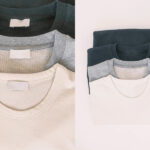
Many people judge a sweatshirt in the first three seconds. They touch the fabric, rub the inside, and decide if it feels premium or cheap. That first hand feel matters a lot. But in real product development, softness is more complex than most buyers think.
At Fusionknits, we find that the softest sweatshirt materials are usually brushed fleece, cotton-rich fleece, cotton-modal blends, premium French terry with soft finishing, and selected tri-blend knits. In most commercial and premium categories, brushed fleece is still the softest and most immediately comforting sweatshirt material, especially when the brushing, yarn quality, and fabric density are developed correctly.
As a professional apparel manufacturer, we see softness as both a sensory issue and a technical one. A sweatshirt can feel soft at first touch and still lose that softness after washing. Another can feel slightly less plush at first, but stay comfortable much longer. That is why the best answer is not only about one fiber name. It is about fabric structure, blend, finishing, and long-term performance.
Why Does Sweatshirt Softness Matter So Much?
A sweatshirt is a comfort product first. Even when it is sold as fashion, the customer still expects it to feel easy, warm, and pleasant against the skin. Softness is one of the fastest ways a sweatshirt creates emotional value.
Sweatshirt softness matters because it shapes first impression, wearing comfort, perceived quality, and repeat use. A soft sweatshirt feels more premium, more welcoming, and more wearable in daily life, which is why softness often influences purchase decisions immediately.
At Fusionknits, we often see that softness changes not only how the product feels, but also how the brand is judged. If the sweatshirt feels rough, dry, or thin, the whole product loses value quickly. Softness is especially important in lounge, basics, streetwear, and premium casualwear categories.
Why customers care so much about softness
- It creates instant comfort
- It improves direct skin feel
- It raises premium perception
- It supports repeat wear
- It makes the sweatshirt feel more relaxing
Why softness matters in manufacturing
First touch affects buying decisions
Customers often make fast judgments based on hand feel.
Comfortwear depends on trust
A sweatshirt should feel like a product people want to live in.
| Softness effect | Why it matters |
|---|---|
| Better first impression | Stronger product appeal |
| Better skin comfort | Higher wear satisfaction |
| More premium feel | Better brand value |
Is Brushed Fleece the Softest Sweatshirt Material?
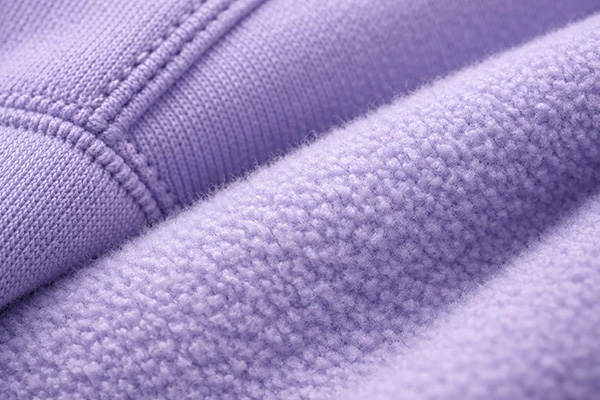
In most mainstream and premium comfort categories, yes. Brushed fleece is usually the first answer because the brushed inside creates a plush, warm, and immediately soft hand feel that customers recognize easily.

Yes, brushed fleece is usually the softest sweatshirt material in terms of immediate comfort because the brushed interior creates a plush surface that feels warm, smooth, and cozy against the skin. This is why brushed fleece remains the most common softness benchmark in sweatshirts.
At Fusionknits, brushed fleece is still the strongest answer when a buyer wants that classic soft sweatshirt feeling. It works especially well in winter basics, premium hoodies, and comfort-led crewnecks. But the softness of fleece still depends on yarn quality, brushing control, and knit density.
Why brushed fleece feels so soft
- Brushed inner surface
- Plush and cozy touch
- Strong warmth perception
- Familiar sweatshirt identity
- Strong comfortwear appeal
Why not all brushed fleece feels equally good
Brushing quality matters
Weak brushing can create a rougher or less durable result.
Yarn quality matters
Better yarn makes the fleece feel smoother and more refined.
| Material type | Softness result |
|---|---|
| Premium brushed fleece | Very soft |
| Weak low-density fleece | Soft at first, but often weaker later |
Are Cotton-Rich Sweatshirts Softer Than Cotton-Poly Sweatshirts?
Sometimes yes, but not always. This is where softness becomes more technical. Pure or cotton-rich fabrics often feel more natural, while some cotton-poly blends can feel smoother or more uniform depending on finishing.
Cotton-rich sweatshirts often feel softer in a more natural and breathable way, while cotton-poly sweatshirts can sometimes feel smoother or more controlled depending on how the fabric is finished. The softer option depends on whether the buyer values natural softness or engineered softness more.
At Fusionknits, cotton-rich fleece usually wins when the goal is a more authentic premium feel. The softness often feels warmer and more natural. But a well-made cotton-poly fleece can also feel very soft, especially when the brushing and finishing are handled well.
Why cotton-rich fabrics feel different
- More natural hand feel
- Softer casualwear identity
- Better breathable comfort
- Strong premium-basic value
Why blends still matter
Blends can improve consistency
They often feel more stable after repeated washing.
Engineered softness can still be strong
A good blend may feel smoother and easier in mass-market categories.
| Fabric direction | Typical softness character |
|---|---|
| Cotton-rich fleece | Natural and cozy |
| Cotton-poly fleece | Smooth and controlled |
Is French Terry Soft, or Is It Less Soft Than Fleece?
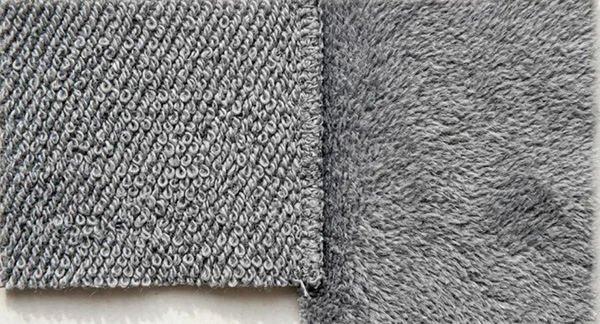
French terry can be soft, but it usually feels different from brushed fleece. It is often less plush, but sometimes more refined. The inside loopback structure gives it a cleaner feel rather than a fluffy one.
French terry can be soft, but it is usually less plush than brushed fleece. Its softness is often cleaner, lighter, and more breathable rather than deeply cozy. That makes it a strong option for buyers who want comfort without too much bulk or heat.
At Fusionknits, French terry is a strong material when the brand wants softness with a more premium and cleaner body. It often performs very well in spring, autumn, and year-round basics. It does not always feel as soft at first touch as fleece, but it can feel more versatile in wear.
Why French terry feels different
- Loopback interior instead of brushed inside
- Cleaner surface feel
- More breathable comfort
- Less fluffy, more controlled softness
When French terry is the better choice
For trans-seasonal sweatshirts
It feels lighter and more flexible than heavy fleece.
It creates a more refined product mood.
| Fabric type | Softness character |
|---|---|
| Brushed fleece | Plush softness |
| French terry | Clean softness |
Are Modal and Tri-Blend Sweatshirts Even Softer?
In some categories, yes. Modal and tri-blend fabrics can feel exceptionally soft, especially when the goal is drape, fluidity, and skin comfort rather than classic heavy sweatshirt body.
Yes, modal blends and tri-blend sweatshirt fabrics can feel softer than standard cotton in a very smooth and silky way. These fabrics are especially strong when the product aims for softness, drape, and a lighter premium comfort feel instead of traditional structured fleece weight.
At Fusionknits, modal blends can create a more elevated softness, especially in lounge and premium soft-casual categories. Tri-blends can also feel extremely soft, especially in lighter sweatshirts and relaxed pullovers. But these materials often change the identity of the sweatshirt. They may feel less classic and less structured than a traditional fleece sweatshirt.
Why modal and tri-blend fabrics feel especially soft
- Smooth skin contact
- More fluid drape
- Less dry hand feel
- Softer premium-lounge effect
Why they are not always the main answer
They may feel lighter
Not every customer wants softness without body.
They may feel less classic
A traditional sweatshirt often needs more structure than these fabrics provide.
| Blend type | Softness style |
|---|---|
| Cotton-modal blend | Smooth and luxurious |
| Tri-blend knit | Very soft and casual |
| Classic fleece | Soft and cozy |
Does finishing matter more than fiber?
In many cases, yes. Fiber content matters, but finishing often decides whether the final sweatshirt feels dry, smooth, plush, or premium. Two similar fabrics can feel very different after different finishing processes.

Yes, finishing often matters just as much as fiber because brushing, washing, softening, compacting, and surface treatment all change the final hand feel. A great finishing process can make a good fabric feel excellent, while weak finishing can make even a strong fabric feel average.
At Fusionknits, finishing is one of the most important softness tools in sweatshirt development. A buyer may focus only on cotton percentage, but the final softness often depends just as much on brushing control, enzyme washes, and softening treatment.
Finishing methods that affect softness
- Brushing
- Washing
- Softening treatment
- Enzyme finishing
- Surface control and compacting
Why finishing is so important
It shapes first-touch experience
The final hand feel is often decided late in development.
Good finishing makes the product feel more complete.
| Finishing factor | Effect on softness |
|---|---|
| Brushing | More plushness |
| Softener treatment | Smoother hand feel |
| Enzyme wash | Softer surface |
What soft sweatshirt material also stays soft after washing?
This is where the best answer becomes more balanced. Some fabrics feel extremely soft at first but lose that effect after care. A truly strong sweatshirt should keep enough softness over time.
The softest sweatshirt material that also stays soft after washing is usually a well-made cotton-poly brushed fleece or a strong cotton-rich fleece with quality brushing and good finishing. These fabrics balance softness, recovery, and durability better than many overly delicate soft blends.
At Fusionknits, long-term softness matters more than showroom softness. A sweatshirt should not feel amazing once and disappointing later. That is why we usually look for a balance between plushness, recovery, and wash performance.
Better long-term softness options
- Premium cotton-poly brushed fleece
- Dense cotton-rich brushed fleece
- Soft-finished French terry
- Stable modal blends in the right category
Why durability matters in softness
Repeat wear defines real quality
A sweatshirt is not judged only in the fitting room.
Softness should survive care
The best product keeps comfort beyond the first touch.
| Material direction | First softness | Long-term softness |
|---|---|---|
| Premium brushed fleece | Very high | Strong if well made |
| Modal blend | Very high | More category-dependent |
| French terry | Moderate to high | Often stable |
So, what is the softest sweatshirt material overall?
The strongest overall answer is still brushed fleece, especially when it is made from high-quality cotton-rich or balanced cotton-poly construction with strong finishing. But the exact definition of softness can still change by category.
At Fusionknits, the softest sweatshirt material overall is usually premium brushed fleece, especially in cotton-rich or well-engineered cotton-poly versions. For a smoother and more fluid softness, modal blends and tri-blends can also perform very strongly, but brushed fleece remains the most complete answer for classic sweatshirt softness.
Conclusion
The softest sweatshirt material is usually brushed fleece because its brushed interior creates the plush, cozy, and immediately comforting hand feel most customers expect from a soft sweatshirt.
Cotton-rich fleece often adds a more natural softness, while cotton-poly fleece can improve consistency and long-term softness. French terry offers a cleaner and lighter kind of softness, and modal or tri-blend fabrics can create an even smoother and more fluid feel in certain premium or lounge categories. That means the best softness depends not only on fiber, but also on knit structure, finishing, and intended product role.
At Fusionknits, we believe the best soft sweatshirt is not simply the one that feels soft in the first touch. It is the one that combines softness, comfort, stability, and repeat-wear value. In most classic sweatshirt categories, premium brushed fleece is still the strongest answer. It gives customers the softness they feel immediately and the comfort they continue to value after the product becomes part of everyday life.