Many buyers ask whether 100% cotton or 100% polyester is better as if one fiber should win every time. In real garment development, that is not how fabric works. A material can perform very well in one product and very poorly in another. That is why this question matters so much in sourcing. The wrong answer can lead to weak comfort, wrong pricing, poor durability, or the wrong product identity.
At Fusionknits, we do not see 100% cotton or 100% polyester as universally better. Cotton is usually better for natural comfort, breathability, softness, and lifestyle apparel. Polyester is usually better for moisture management, shape retention, durability, and performance use. The better fabric depends on the product category, customer expectation, and end use.
We see this comparison every day across hoodies, joggers, polos, tanks, and loungewear. The strongest choice is not the one with the best reputation. It is the one that fits the product’s actual job.

Why is there no single winner between cotton and polyester?
This is the most important starting point. Cotton and polyester were developed to serve different strengths. Comparing them without context creates weak sourcing decisions.
There is no single winner because 100% cotton and 100% polyester solve different product needs. Cotton is a natural fiber that usually feels softer and more breathable in daily wear, while polyester is a synthetic fiber that usually performs better in durability, drying speed, and shape stability.
At Fusionknits, we always ask what the garment needs to do before choosing the fiber. A gym shirt, a premium sweatshirt, and a resort polo should not all use the same material logic. Once the product purpose is clear, the fiber decision becomes much easier.
Why the comparison is often misunderstood
- Buyers compare fiber names instead of product roles
- Comfort and performance are not the same thing
- Natural feel and technical function are different priorities
- Daily casualwear and sportswear need different strengths
Why product purpose should come first
A fabric should support the garment
The right fiber depends on how the customer will actually wear the product.
Reputation alone is not enough
A fiber can sound premium and still be the wrong choice for the category.
| Comparison factor | Cotton | Polyester |
|---|---|---|
| Main strength | Natural comfort | Technical performance |
| Main weakness | Less shape stability | Less natural hand feel |
Is 100% cotton better for comfort?
In many daily-wear categories, yes. Cotton remains one of the most trusted fibers in apparel because it feels familiar, breathable, and comfortable against the skin.

Yes, 100% cotton is usually better for comfort in casualwear because it has a softer natural hand feel, better skin comfort, and a more breathable everyday wear experience than 100% polyester in many lifestyle categories.
At Fusionknits, we often recommend cotton for hoodies, premium T-shirts, casual tanks, loungewear, and many soft basics because customers often respond strongly to that natural touch. Cotton usually feels warmer in an emotional way too. It feels more relaxed, more familiar, and more authentic.
Why cotton often feels more comfortable
- Softer natural touch
- Better everyday breathability
- Less synthetic surface feel
- Stronger comfortwear identity
- Easier premium-casual storytelling
Why this matters commercially
Customers often judge by first touch
Cotton performs strongly in categories where hand feel matters.
Comfort drives repeat wear
A comfortable fabric often creates better customer loyalty.
| Comfort factor | Better fiber |
|---|---|
| Natural softness | Cotton |
| Direct-skin casual comfort | Cotton |
| Lifestyle and lounge feel | Cotton |
Is 100% polyester better for performance?
In many sports and active categories, yes. Polyester is widely used in performance apparel because it handles sweat, movement, and repeated washing differently from cotton.
Yes, 100% polyester is usually better for performance apparel because it dries faster, holds shape more easily, and supports moisture-management functions more effectively than 100% cotton in many activewear products.
At Fusionknits, we usually recommend polyester in performance T-shirts, training tops, technical joggers, and active polos when the product needs movement support and easier care. Cotton can feel comfortable, but in a heavy-sweat setting it often absorbs more moisture and feels heavier.
Why polyester performs well in sportswear
- Faster drying
- Better shape retention
- Lower moisture absorption
- Better fit for technical finishing
- Stronger repeated wash stability
Why this matters in active products
The fabric must support movement
Performancewear needs more than simple softness.
Sweat behavior changes the product experience
A workout garment should not stay damp too long.
| Performance factor | Better fiber |
|---|---|
| Fast drying | Polyester |
| Activewear durability | Polyester |
| Moisture-focused use | Polyester |
Which fiber is better for durability?
This depends on what kind of durability the buyer means, but in many cases polyester has a practical advantage in long-term shape stability and repeated care.
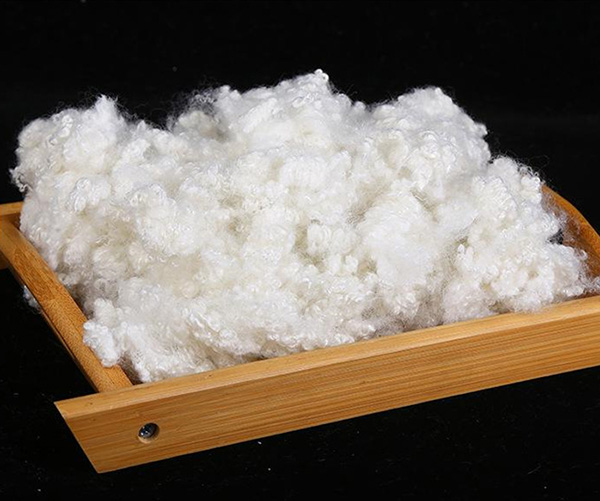
100% polyester is often better for durability in terms of shape retention, wrinkle resistance, and repeated wash performance, while 100% cotton may feel softer and more natural but can be more vulnerable to shrinkage, shape loss, and moisture-related heaviness if the construction is weak.
At Fusionknits, this is why polyester remains important in uniforms, performancewear, and high-frequency-use products. Cotton can still be durable when well made, but polyester often offers easier practical stability.
Where polyester often wins
- Shape retention
- Lower wrinkle risk
- Repeated wash consistency
- Faster drying in daily use
- Stronger resilience in technical garments
Where cotton still matters
Durability is not only technical
A durable casual garment also needs lasting comfort and customer appeal.
Cotton can still perform well
High-quality cotton fabrics with good construction can remain very strong in lifestyle categories.
| Durability factor | Cotton | Polyester |
|---|---|---|
| Shape stability | Moderate | Strong |
| Shrink risk | Higher | Lower |
| Easy care | Moderate | Strong |
In many lifestyle and comfort categories, cotton usually feels more premium. But in some technical or modern sport categories, premium polyester can also feel highly developed and valuable.
Cotton usually feels more premium in casualwear, basics, and comfort-led products because it offers a more natural, softer, and more authentic hand feel. Polyester can feel premium in performancewear when it is engineered well, but it usually communicates technical value more than natural luxury.
At Fusionknits, the meaning of premium changes by market. In premium hoodies and loungewear, cotton often wins. In high-performance activewear, polyester can still feel premium if the yarn quality, knit structure, and finish are strong.
- Natural material story
- Softer and richer hand feel
- Better fit with elevated basics
- Stronger emotional comfort value
Performance products follow different standards
Technical precision can create premium value too.
The product story changes
Premium does not always mean soft and natural. Sometimes it means efficient and high-functioning.
| Premium context | Better fiber |
|---|---|
| Premium casualwear | Cotton |
| Premium performancewear | Polyester |
Which is better for hoodies, polos, and daily basics?
In most everyday apparel, cotton usually has the advantage because these categories are often comfort-led and customer touch matters greatly. But polyester still has a place in certain blended or technical products.

For hoodies, polos, and many daily basics, 100% cotton is often the better standalone fiber because it gives natural softness, lifestyle comfort, and a more authentic casualwear feel. Polyester is usually stronger in technical polos, active basics, and products where easier care and performance matter more than natural hand feel.
At Fusionknits, we usually choose cotton first for premium basics and comfortwear categories. We choose polyester first when the product is active, technical, or expected to perform under heavier functional pressure.
Better uses for 100% cotton
- Hoodies
- Casual sweatshirts
- Lifestyle polos
- Lounge and sleepwear
- Soft tanks and tees
Better uses for 100% polyester
- Performance shirts
- Training tops
- Active joggers
- Technical polos
- Sports-focused layers
| Product category | Better fiber direction |
|---|---|
| Hoodie | Cotton |
| Casual polo | Cotton |
| Training tee | Polyester |
| Technical jogger | Polyester |
Why do many brands use blends instead of choosing only one?
This is where professional development becomes more practical. In many cases, the market uses blends because they combine strengths from both fibers and reduce the weaknesses of each.
Many brands use blends because 100% cotton and 100% polyester each have clear limitations. Cotton can shrink and lose shape more easily, while polyester can feel less natural and less breathable in lifestyle categories. Blends often balance comfort, durability, recovery, and cost more effectively.
At Fusionknits, this is often the smartest answer in real production. A cotton-poly hoodie can feel soft while keeping better shape. A cotton-stretch polo can feel natural while improving movement. A performance blend can improve comfort without losing technical value.
Why blends are common
- Better balance of comfort and durability
- Better shape retention than pure cotton
- Better hand feel than pure polyester in some uses
- More flexible category performance
- Easier commercial pricing in some markets
Why this matters for buyers
Pure fiber comparisons are useful
But product reality often leads to blended construction.
The goal is performance, not ideology
The right fabric should solve the real product need.
| Fabric strategy | Main advantage |
|---|---|
| 100% cotton | Comfort-led natural feel |
| 100% polyester | Performance-led stability |
| Blended fabric | Balanced product logic |
So which is better: 100% cotton or 100% polyester?
The most honest answer is that cotton is usually better for comfort-led lifestyle apparel, while polyester is usually better for technical and performance-led apparel. The stronger fiber depends on the job.
At Fusionknits, we believe 100% cotton is better for softness, breathability, and premium casualwear, while 100% polyester is better for performance, durability, and easier technical care. Neither one is better in every case. The best choice depends on the garment’s purpose, customer expectations, and target market.
Conclusion
100% cotton and 100% polyester are not direct winners over each other in every situation. Cotton is usually the better choice for comfort, softness, breathability, and premium lifestyle products such as hoodies, casual polos, lounge basics, and everyday tops.
Polyester is usually the better choice for performance, quick drying, durability, shape retention, and technical activewear. That is why the strongest answer is not based on fiber reputation alone. It is based on what the garment is built to do.
At Fusionknits, we always choose fabric through product logic. If the goal is natural comfort and a premium casual feel, cotton usually wins. If the goal is technical efficiency and active performance, polyester usually wins. And in many commercial categories, the smartest answer may be neither pure cotton nor pure polyester, but a well-developed blend that combines the strongest parts of both.