Many buyers use the word bottoms as if it describes one simple product group. In real apparel development, that is far from true. Bottoms include casualwear, tailoring, sportswear, denim, activewear, and seasonal fashion categories. If the product type is not defined clearly from the start, fabric choice, fit development, construction, and pricing can all go in the wrong direction.
At Fusionknits, we see bottoms as a broad apparel family that includes pants, trousers, joggers, leggings, shorts, skirts, skorts, and other lower-body garments developed for different functions, fits, and markets. The best way to understand the different types of bottoms is to group them by silhouette, fabric, use case, and construction.
As a professional apparel manufacturer, we know this category matters because bottoms are highly technical products. A change in waistband, rise, leg shape, fabric stretch, or hem finish can completely change the final garment. That is why a buyer should not ask only for “bottoms.” The product needs a clear category identity before development begins.
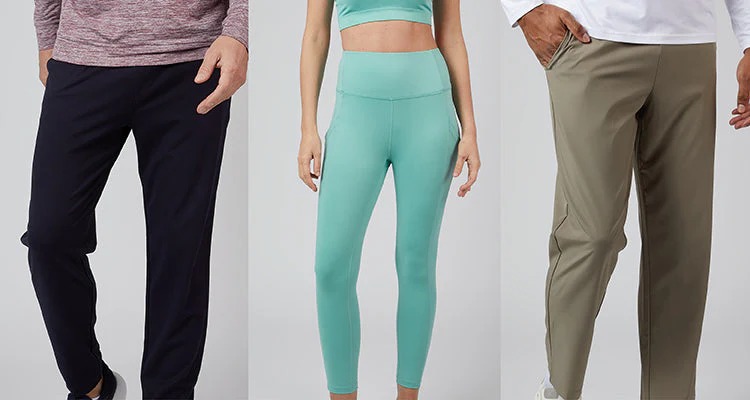
Why is the category of bottoms so broad?
Bottoms cover many parts of the apparel market at the same time. They can be formal, casual, athletic, technical, fashion-led, or comfort-driven. That range is one reason the category keeps expanding.
The category of bottoms is broad because lower-body garments serve many different needs, including movement, coverage, fit shaping, workwear, sport, comfort, and fashion styling. Small changes in shape or fabric can create completely different bottom categories.
At Fusionknits, we usually divide bottoms through four practical systems: by silhouette, by fabric family, by end use, and by styling level. This makes product planning much easier than trying to memorize every retail label separately.
Why the category keeps growing
- It covers many apparel markets
- Fit changes the product quickly
- Fabric changes function and feel
- Seasonal demand creates new subtypes
- Fashion cycles keep updating silhouettes
Why classification matters in production
Product language affects technical development
A jogger, trouser, and legging cannot follow the same fit logic.
Clear category naming improves sourcing
Factories work better when the bottom type is defined early.
| Classification method | Example |
|---|---|
| By silhouette | Wide-leg pants |
| By fabric | Denim bottoms |
| By use | Activewear bottoms |
| By styling | Tailored trousers |
Are pants and trousers the main type of bottoms?
Yes. In most apparel markets, pants and trousers are the largest and most common lower-body category. They include many important subtypes and often act as the main foundation of a bottoms assortment.
Yes, pants and trousers are the main type of bottoms because they cover the widest range of everyday, formal, casual, and functional lower-body garments. Most bottom categories begin inside this larger family before becoming more specific.
At Fusionknits, we often explain that pants is the broader everyday term in many markets, while trousers often suggest a slightly more formal or tailored direction. But both terms sit at the center of the bottoms category.
Common pants and trouser subtypes
- Straight-leg pants
- Wide-leg pants
- Slim pants
- Tailored trousers
- Cargo pants
- Chino pants
- Casual drawstring pants
Why these categories matter so much
They cover the broadest market demand
Most customers wear some version of pants daily.
They support many brand positions
The same family can work in officewear, casualwear, travelwear, and premium basics.
| Main type | Typical role |
|---|---|
| Pants | Broad everyday category |
| Trousers | More tailored or polished category |
What are the main casual bottom types?
Casual bottoms are one of the biggest segments in modern apparel. This is where comfort, repeat wear, and styling flexibility come together most clearly.
The main casual bottom types include jeans, joggers, sweatpants, casual drawstring pants, chinos, shorts, and cargo bottoms. These categories are designed for everyday use and often balance comfort with styling value.
At Fusionknits, casual bottoms usually require strong attention to fabric, fit, and practical details such as pockets, waist construction, and durability. They are not only relaxed garments. They are also repeat-wear products, which makes quality especially important.
Common casual bottom categories
- Jeans
- Joggers
- Sweatpants
- Chinos
- Cargo pants
- Casual shorts
- Drawstring lounge pants
Why casual bottoms lead the market
They are worn frequently
This makes them a strong commercial category.
They work across many customer groups
Youth, lifestyle, travel, and daily basics all depend heavily on casual bottoms.
| Casual bottom type | Main identity |
|---|---|
| Jeans | Denim everyday staple |
| Joggers | Tapered comfortwear |
| Sweatpants | Relaxed lounge comfort |
| Chinos | Cleaner casual pant |
Are jeans a separate type of bottoms?
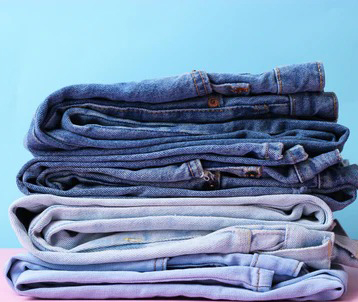
Yes, absolutely. Jeans are not just another pair of pants in product-development terms. Denim creates its own major bottom category because the fabric, wash, construction, and market language are all distinct.
Yes, jeans are a separate type of bottoms because denim has its own fabric system, washing methods, hardware needs, fit traditions, and cultural identity. Jeans remain one of the strongest standalone bottom categories in global apparel.
At Fusionknits, denim bottoms are usually developed with different factory logic than knit bottoms or tailored trousers. Even the same silhouette can behave very differently once it moves into denim construction.
Common types of jeans
- Skinny jeans
- Slim jeans
- Straight jeans
- Wide-leg jeans
- Relaxed jeans
- Mom jeans
- Flared jeans
- Cargo jeans
Why denim stands apart
Fabric structure changes everything
Denim affects drape, durability, and wash effect in a way other fabrics do not.
The category has its own language
Fit, rise, wash, and finishing all matter heavily in denim.
| Denim subtype | Main market role |
|---|---|
| Straight jeans | Core everyday denim |
| Relaxed jeans | Casual comfort and trend relevance |
| Wide-leg jeans | Fashion-led denim silhouette |
What bottoms belong to comfortwear and athleisure?
This is one of the most important modern product families. Comfortwear and athleisure bottoms have become central in daily dressing, not only in gym or home use.
The main comfortwear and athleisure bottoms include joggers, sweatpants, leggings, lounge pants, yoga pants, biker shorts, and selected performance trousers. These products are designed around comfort, movement, and repeat wear.
At Fusionknits, this family is especially important because it sits very close to our core manufacturing strengths in activewear and casual knit products. These bottoms rely heavily on stretch, recovery, waistband design, and fabric behavior.
Main comfortwear and athleisure bottoms
- Joggers
- Sweatpants
- Leggings
- Yoga pants
- Biker shorts
- Lounge pants
- Performance training bottoms
Why this category remains strong
It fits modern lifestyle habits
Customers now expect comfortwear to work outside the home too.
It supports both fashion and function
Athleisure bottoms often cross between active use and casual styling.
| Bottom type | Main function |
|---|---|
| Joggers | Casual and athleisure wear |
| Leggings | Stretch-based movement wear |
| Lounge pants | Soft home and comfort use |
Are leggings and yoga pants separate bottom types?
Yes. They are related, but not identical. Leggings are the broader close-fitting stretch category, while yoga pants usually describe a more activewear-specific product with performance function or yoga-led styling.
Yes, leggings and yoga pants are separate bottom types. Leggings are body-hugging stretch bottoms used in activewear, layering, and casual styling, while yoga pants are usually a sport-specific or studio-specific version designed for movement, stretch comfort, and a flattering athletic silhouette.
At Fusionknits, this difference matters because yoga pants often need more technical fabric logic, better waistband engineering, and stronger squat-proof or movement-support qualities than simpler fashion leggings.
Common close-fit stretch bottom categories
- Basic leggings
- Performance leggings
- Yoga pants
- Flared yoga pants
- Compression leggings
- Capri leggings
Why this distinction matters
The customer use is different
A casual legging and a studio pant do not solve the same problem.
Fabric needs are different
Stretch, opacity, recovery, and support all become more technical in yoga pants.
| Stretch bottom type | Main role |
|---|---|
| Leggings | Broad fitted stretch category |
| Yoga pants | Movement and studio use |
What are the main short-length bottom types?
Shorter bottoms form another major family. They are essential in warm weather, sportswear, and resort categories, and they can be highly varied in both style and function.
The main short-length bottom types include casual shorts, athletic shorts, biker shorts, cargo shorts, tailored shorts, denim shorts, and lounge shorts. These all belong to the bottoms category but serve very different markets.
At Fusionknits, short bottoms require the same discipline as long bottoms. Fabric, lining, inseam length, rise, and hem finish all matter. A short does not become simple just because it uses less fabric.
Common short-bottom categories
- Casual shorts
- Athletic shorts
- Cargo shorts
- Denim shorts
- Tailored shorts
- Lounge shorts
- Biker shorts
Why shorts need their own classification
Length changes the garment function
Coverage, mobility, and styling all shift once the leg shortens.
The market is highly segmented
Sport, resort, and lifestyle shorts should not be treated the same way.
| Short type | Main identity |
|---|---|
| Athletic shorts | Sport and movement |
| Tailored shorts | Cleaner warm-weather styling |
| Cargo shorts | Utility casualwear |
Are skirts and skorts also types of bottoms?
Yes. Bottoms are not limited to pants and shorts. Skirts and skorts are important lower-body categories and should always be included in a complete bottoms classification.
Yes, skirts and skorts are types of bottoms because they are lower-body garments with distinct silhouettes, construction methods, and styling uses. Skirts usually focus more on fashion and drape, while skorts combine skirt appearance with short-based practicality.
At Fusionknits, skorts are especially important in activewear, golfwear, tenniswear, and women’s casualwear because they bridge style and functionality. Skirts, meanwhile, cover a wide span from soft basics to tailored fashion.
Common skirt and skort categories
- Mini skirt
- Midi skirt
- Maxi skirt
- Pleated skirt
- Tennis skirt
- Skort
- Active skort
Why these categories matter
They expand the bottoms category meaningfully
A full bottoms range should not ignore skirt-based products.
They require different construction logic
Drape, lining, and hidden shorts all change development requirements.
| Bottom type | Main role |
|---|---|
| Skirt | Fashion and styling-led |
| Skort | Hybrid style and function |
What are the most useful bottom categories for brands to plan?
Most brands do not need every bottom type. They need the bottom families that match their customer, season, and product identity. Clear grouping is more useful than endless variation.
At Fusionknits, the most useful bottom categories for many brands are trousers and pants, denim bottoms, joggers and sweatpants, leggings and yoga pants, shorts, and skirt or skort options where relevant. These core families cover most of the market in a practical way.
A brand focused on activewear may need leggings, joggers, and biker shorts. A casualwear brand may need jeans, cargos, chinos, and sweatpants. A women’s lifestyle brand may need skirts, skorts, trousers, and leggings. Product planning should always follow the real customer.
A practical bottom assortment structure
- Core pants or trousers
- Denim bottoms
- Joggers or sweatpants
- Shorts
- Stretch bottoms
- Skirt or skort category if relevant
Why this structure works
It covers the main wearing occasions
Work, casual, comfort, sport, and seasonal dressing are all represented.
It keeps assortment planning manageable
The collection grows through logic instead of random expansion.
| Planning goal | Better result |
|---|---|
| Too many unrelated bottom types | Confusing range |
| Strong bottom families | Clearer assortment |
Conclusion
The different types of bottoms include pants, trousers, jeans, joggers, sweatpants, leggings, yoga pants, shorts, skirts, skorts, and many related subcategories inside those families.
The most useful way to understand them is not by memorizing every retail label, but by grouping them through silhouette, fabric, end use, and styling role. Pants and trousers remain the largest core category. Denim remains a major standalone family. Comfortwear bottoms such as joggers and leggings remain essential in modern apparel. Shorts, skirts, and skorts also play important roles depending on the market and season.
At Fusionknits, we believe strong bottoms development starts with category clarity. Once the exact bottom type is defined, fabric, fit, waistband construction, pocket design, and finishing become much easier to control. That is how brands build better products, stronger assortments, and more reliable collections across the whole bottoms category.