Many buyers use the word outerwear in a very loose way. They call every jacket outerwear, or they think outerwear only means winter coats. In real apparel development, outerwear is a much broader and more technical category than that. If a brand does not define outerwear clearly, fabric choice, insulation level, fit allowance, and seasonal planning can all go in the wrong direction.
At Fusionknits, we define outerwear as the outermost layer of clothing designed to be worn over other garments for protection, structure, and seasonal function. Outerwear includes products such as jackets, coats, bombers, puffers, parkas, windbreakers, shackets, and other protective top layers built for weather, layering, and everyday use.
As a professional apparel manufacturer, we see outerwear as one of the most important categories in product planning because it sits at the point where fashion and function must work together. Good outerwear should not only look strong on a hanger. It should also protect the wearer, support layering, and match the real climate and use case it was designed for.
Why is outerwear more than just “a jacket”?
This is one of the first misunderstandings we usually correct. A jacket is often a type of outerwear, but outerwear is the bigger family. The category includes many product types with different weights, lengths, and protective functions.
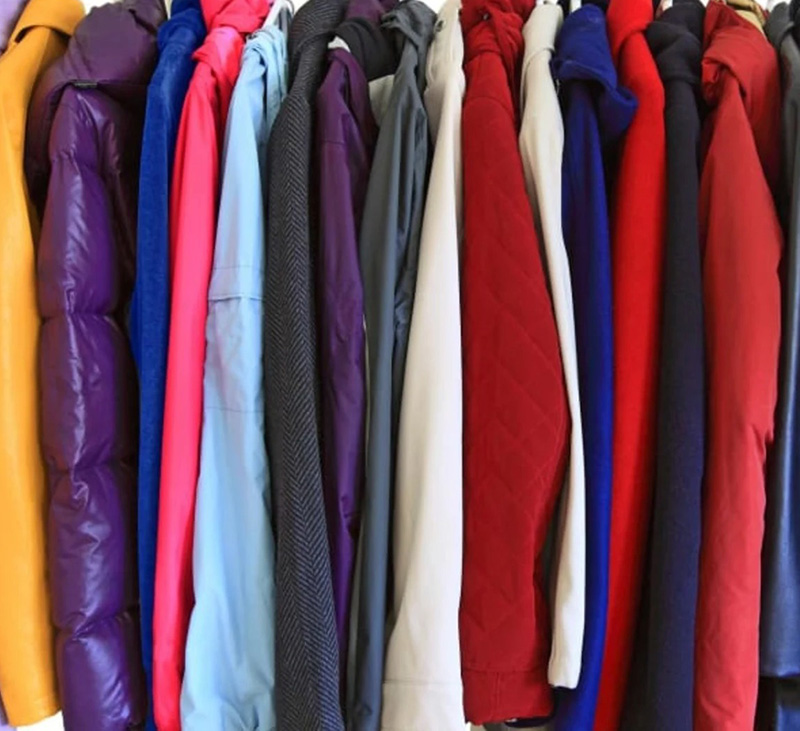
Outerwear is more than just a jacket because it includes many outer-layer garments designed for different weather conditions, styling levels, and functions. A jacket may be one form of outerwear, but coats, puffers, parkas, and lightweight protective layers also belong to the same larger category.
At Fusionknits, we usually explain it this way: outerwear is a system category, not only a silhouette category. It is defined by role first. If the garment is meant to be worn on the outside for protection, layering, or structure, it usually belongs to outerwear. This is why short jackets and long coats can both sit inside the same product family.
Why the category is broader than many buyers expect
- It includes short and long garments
- It covers warm-weather and cold-weather products
- It includes fashion and performance items
- It may be insulated or non-insulated
- It is defined by outer-layer function, not only by shape
Why this matters in development
Product planning changes by category
A bomber, parka, and trench coat cannot be developed under one simple “jacket” idea.
Customer expectation changes too
A buyer expects different protection from a puffer than from a lightweight overshirt.
| Product term | Meaning |
|---|---|
| Jacket | One outerwear subtype |
| Outerwear | Broad outer-layer garment category |
What is the main function of outerwear?
Outerwear is built to do more than finish an outfit. Its main job is usually protection. That protection can mean warmth, wind resistance, light rain coverage, layering support, or even just an additional barrier between the body and the environment.

At Fusionknits, the main function of outerwear is to protect the wearer while completing the outer structure of the outfit. Depending on the product, that protection may include warmth, weather resistance, wind blocking, layering support, and stronger everyday utility.
This is why outerwear is such an important category in real-life dressing. A T-shirt or sweatshirt may handle comfort close to the body, but outerwear controls what happens when the wearer steps into changing weather or changing environments.
Core functions of outerwear
- Weather protection
- Warmth retention
- Wind resistance
- Layering support
- Outfit structure
- Utility and storage in some styles
Why this function must stay clear
A strong outerwear product should solve a real need
If the garment looks good but fails in use, it becomes a weak outerwear product.
The category must match the climate
A lightweight shell and a winter puffer cannot be judged by the same performance standard.
| Outerwear function | Product result |
|---|---|
| Warmth | Better cold-weather wear |
| Protection | Better outdoor use |
| Structure | Stronger final silhouette |
What garments count as outerwear?
This is where category language becomes most useful. Outerwear includes many familiar garments, but not every top layer qualifies equally. The key is whether the garment is intended to function as an outermost piece.
Common outerwear garments include jackets, coats, parkas, puffers, bombers, windbreakers, trench coats, utility jackets, denim jackets, leather jackets, and some overshirts or shackets when they are worn as the outer layer.
At Fusionknits, we usually classify outerwear by weight, structure, and climate role. A trench coat and a bomber jacket may look very different, but both are outerwear because they are designed to sit over other garments and complete the outer function of the outfit.
Common outerwear categories
- Bomber jackets
- Puffers
- Parkas
- Trench coats
- Utility jackets
- Denim jackets
- Windbreakers
- Softshell jackets
- Wool coats
- Shackets in selected categories
Why category overlap can happen
Some garments can switch roles
A shacket may be mid-layer in winter and outerwear in spring.
Styling changes the perception
A thick overshirt may function like outerwear even if it looks softer than a traditional jacket.
| Garment | Outerwear status |
|---|---|
| Bomber jacket | Clear outerwear |
| Puffer jacket | Clear outerwear |
| Shacket | Outerwear in some use cases |
Is outerwear always heavy or winter-focused?
No. This is another common mistake. Outerwear includes heavy winter garments, but it also includes lightweight transitional and protective layers. The category is much broader than cold-weather wear alone.
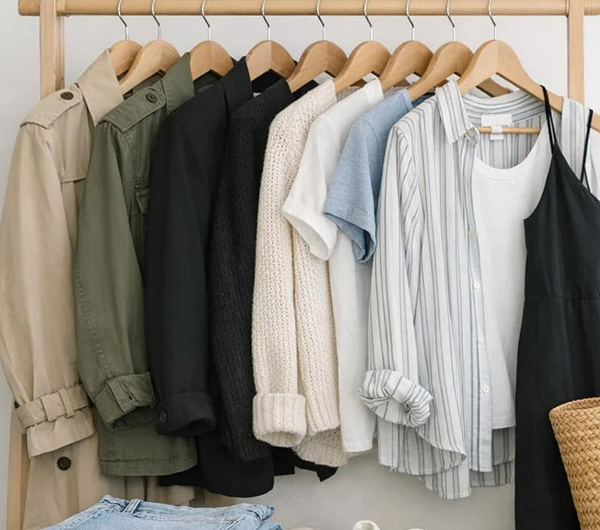
Outerwear is not always heavy or winter-focused. It can also include lightweight jackets, spring layers, rain shells, windbreakers, and other outer garments designed for mild weather, travel, or transitional dressing.
At Fusionknits, we often divide outerwear into seasonal weight groups. Lightweight outerwear serves movement and flexibility. Midweight outerwear supports transition seasons. Heavy outerwear supports insulation and stronger protection. All three groups are valid and commercially important.
Main outerwear weight groups
- Lightweight outerwear
- Midweight outerwear
- Heavyweight outerwear
Why light outerwear matters as much as winter outerwear
Many climates need flexibility more than insulation
A windbreaker or light jacket may be more useful than a heavy coat in many markets.
Transitional seasons create strong demand
Spring and autumn often rely heavily on lighter outerwear products.
| Weight group | Main role |
|---|---|
| Lightweight | Wind, light coverage, layering |
| Midweight | Seasonal balance |
| Heavyweight | Warmth and insulation |
How is outerwear different from layering pieces?
Outerwear is part of the layering system, but it is not the whole system. It usually sits at the outermost level, while other layering pieces sit closer to the body.
Outerwear is different from general layering pieces because it is usually the final outer layer designed for protection and structure. Other layering pieces, such as T-shirts, sweatshirts, and cardigans, usually function as base or mid-layers rather than as the outermost protective garment.
At Fusionknits, we see outerwear as the final layer that completes the outfit system. That means it must leave enough room for what comes underneath. This is why outerwear development always needs attention to layering allowance, sleeve space, and body volume.
Why outerwear must be planned differently
- It fits over other garments
- It must allow movement over layers
- It often faces weather directly
- It usually needs stronger construction or hardware
- It often defines the final silhouette
Why this distinction matters in manufacturing
Fit logic changes
Outerwear should not be patterned like a single-layer top.
Construction becomes more technical
Zippers, linings, insulation, and seam planning matter more.
| Category | Main role |
|---|---|
| Mid-layer | Warmth and internal structure |
| Outerwear | Final protection and outer shape |
What materials are commonly used in outerwear?
Outerwear materials vary widely because the category includes many use cases. The right material depends on whether the garment is built for warmth, rain protection, wind blocking, utility, or visual structure.

At Fusionknits, common outerwear materials include nylon, polyester, cotton twill, canvas, denim, wool blends, technical shell fabrics, softshell materials, faux leather, and insulated constructions with synthetic or down-like filling depending on the product type.
This is why outerwear cannot be developed with one fabric logic only. A puffer and a trench coat are both outerwear, but their materials serve completely different functions. A windbreaker needs light technical protection. A wool coat needs structure and seasonal warmth. A denim jacket needs durability and casual identity.
Common outerwear material directions
- Nylon and polyester shells
- Cotton twill
- Canvas
- Denim
- Wool blends
- Softshell fabrics
- Quilted constructions
- Insulated synthetic fills
Why material selection is so critical
Material decides the function
Weather resistance, warmth, and drape all begin with the fabric system.
Material also shapes brand identity
A technical nylon jacket feels very different from a brushed wool overcoat.
| Material type | Best outerwear role |
|---|---|
| Nylon shell | Lightweight protection |
| Wool blend | Structured cold-weather coat |
| Denim | Casual outer jacket |
What makes good outerwear different from weak outerwear?
Outerwear is a highly technical category because the garment has to perform over time, not only during first wear. A weak outerwear product may look good in photos but fail in movement, layering, or weather use.
Good outerwear should have the right material for its climate role, enough space for layering, strong hardware, clean seam construction, functional closures, and a silhouette that supports both comfort and protection. Weak outerwear usually fails in one or more of these areas.
At Fusionknits, we judge outerwear quality through function first. Does it support layering correctly? Does it hold shape? Does the zipper work smoothly? Does the pocket placement feel natural? Does the garment match its intended season? These are the questions that separate real outerwear quality from surface-level styling.
Signs of stronger outerwear
- Good layering allowance
- Reliable zipper or snap quality
- Better seam construction
- Stable collar and hood structure
- Useful pockets
- Appropriate weight for the purpose
Signs of weaker outerwear
Wrong fabric for the season
The garment may look correct but perform poorly.
Poor fit over layers
This quickly reduces comfort and usefulness.
Weak hardware
Closures and trims often reveal quality problems early.
| Quality area | Strong result |
|---|---|
| Fit | Works over inner layers |
| Fabric | Matches use and season |
| Hardware | Durable and functional |
How should brands classify outerwear in a collection?
A strong collection should not treat outerwear as one final add-on. It should classify outerwear by season, protection level, and style role. This makes the assortment clearer and more useful.
At Fusionknits, we recommend classifying outerwear by product role, such as lightweight outerwear, transitional outerwear, insulated outerwear, technical outerwear, and fashion-led outerwear. This helps brands align fabric, fit, trims, and pricing much more accurately.
This structure also improves merchandising. A customer understands much faster what the garment is meant to do. It also helps a factory plan development more correctly because the category expectations become clearer.
Useful outerwear groups for collection planning
- Lightweight outerwear
- Transitional outerwear
- Insulated outerwear
- Technical outerwear
- Fashion-led outerwear
Why this approach works
It connects product to use
A buyer can understand the role of each piece immediately.
It improves sourcing precision
Materials, trims, and fit can be matched to the real job of the garment.
| Collection group | Main focus |
|---|---|
| Lightweight outerwear | Flexibility and mild-weather use |
| Insulated outerwear | Warmth and cold-weather wear |
| Technical outerwear | Protection and performance |
Conclusion
Outerwear is the outermost layer of clothing designed to be worn over other garments for protection, structure, and seasonal function. It includes jackets, coats, puffers, parkas, windbreakers, bombers, and other outer-layer garments built for warmth, weather resistance, or everyday coverage.
Outerwear is broader than jackets alone, and it is not limited to winter products. It includes lightweight, midweight, and heavyweight garments across many climates and styling levels.
At Fusionknits, we believe outerwear should always be understood through function first. A strong outerwear product must protect the wearer, support layering, and complete the outfit in a practical way. When brands define outerwear clearly, they make better material choices, develop better fits, and build collections that are far more useful in real life.