Many aspiring entrepreneurs think starting an activewear brand is easy because leggings, hoodies, and tops look simple. The truth is, activewear requires technical fabric knowledge, fit expertise, and a strong supply chain to ensure products perform well. Without attention to these details, even stylish designs can fail in comfort, durability, or functionality.
At Fusionknits, we believe the foundation of a successful activewear brand is understanding your customer, choosing the right fabrics, designing for movement, and working with experienced manufacturers. Activewear brands succeed when they combine performance, aesthetics, and reliability across all products.
As a professional apparel manufacturer, we see that activewear is one of the most competitive categories in modern fashion. Brands need to deliver on quality, fit, and style to earn customer trust and repeat business.
Why target audience defines the brand
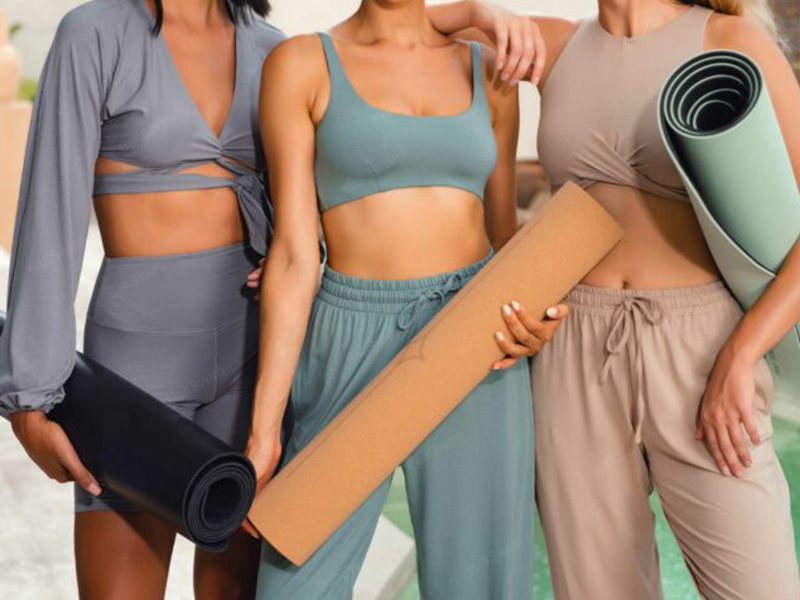
Before designing or sourcing products, you need to know who will wear them. Activewear customers range from yoga enthusiasts and gym-goers to casual athleisure shoppers.
At Fusionknits, we recommend defining one main target market first. This ensures your fabrics, cuts, and styling choices align with the customer’s expectations. A yoga-focused brand may prioritize soft, flexible leggings and breathable tops. A gym-oriented brand may emphasize compression, moisture management, and durability. Athleisure brands might focus on style, comfort, and versatility.
How target clarity shapes decisions
- Fabric selection tailored to activity
- Fit and stretch requirements specific to movement
- Color and design aligned with lifestyle preferences
- Marketing and branding messaging focused on a niche
| Target market | Product focus |
|---|---|
| Yoga | Soft fabrics, high-waist leggings, breathable tops |
| Gym | Compression, sweat-wicking, durable stitching |
| Athleisure | Stylish silhouettes, versatile fabrics |
How to choose the right fabrics
Fabrics are the backbone of activewear. Poor fabric choice can make garments uncomfortable, non-durable, or unsupportive during movement.

At Fusionknits, we typically recommend blends like polyester-spandex for performance, nylon-spandex for smooth, premium feel, and cotton-spandex for comfort-focused activewear. Each fabric offers different properties: stretch, recovery, moisture management, and durability.
Fabric selection must match activity, climate, and target customer expectations. Performance garments need moisture-wicking and compression. Lifestyle activewear may focus on softness and drape.
Key fabric properties
- Stretch and recovery for movement
- Moisture management for comfort
- Softness for everyday wear
- Durability for repeated use
- Breathability to prevent overheating
| Fabric | Best use |
|---|---|
| Polyester-spandex | Gym and training wear |
| Nylon-spandex | Premium athleisure and yoga |
| Cotton-spandex | Casual comfort wear |
How to design for function and style
Activewear design is a balance between aesthetics and performance. The fit must support movement, while the look should appeal to the target audience.
At Fusionknits, we ensure designs account for body movement, seam placement, waistband stability, and stretch balance. Tops, leggings, and shorts are tested for bending, squatting, running, and stretching to ensure they remain functional and comfortable.
Details such as high waistbands, ergonomic seams, reinforced stitching, and gussets enhance both performance and fit. Simultaneously, style elements like color, pattern, and silhouette attract the customer visually.
Core design considerations
- Ergonomic seams for motion
- Waistband stability for leggings and shorts
- Armhole and shoulder design for tops
- Stretch and recovery control
- Style and color harmony
| Design element | Functional benefit |
|---|---|
| High waistbands | Support and coverage |
| Ergonomic seams | Comfort during movement |
| Gusset panels | Flexibility and reduced stress |
| Color/pattern | Lifestyle appeal |
How to work with manufacturers
Partnering with an experienced manufacturer is critical. Activewear fabrics require expertise in stretch stitching, pattern engineering, and fabric handling.
At Fusionknits, we advise new brands to select manufacturers with activewear experience, technical sampling capabilities, and quality control systems. Factories must understand stretch fabrics, compression levels, seam construction, and opacity testing. A strong manufacturing partner ensures that the product in bulk matches the approved samples.

Supplier selection tips
- Confirm experience with knit fabrics and activewear
- Review sample development process
- Check quality control and inspection procedures
- Verify material sourcing capability
- Ensure clear communication and responsiveness
| Supplier factor | Why it matters |
|---|---|
| Activewear experience | Ensures technical understanding |
| Sampling process | Confirms fit, stretch, and performance |
| QC system | Prevents bulk defects |
How to plan a product line
A focused product line helps a brand establish its identity and test the market. Starting small reduces risk and allows refinement based on feedback.
At Fusionknits, we recommend launching with 1–2 hero products, such as a signature legging and matching top or hoodie, then expanding into secondary silhouettes and colorways. This approach builds brand trust and ensures consistent quality across core products.
Product line considerations
- Start with versatile pieces that match your target activity
- Include one or two standout colors or patterns
- Prioritize fit and fabric performance
- Expand after testing customer feedback
| Product focus | Purpose |
|---|---|
| Hero product | Establishes brand identity |
| Matching pieces | Supports coordination and repeat purchase |
| Additional silhouettes | Expands choice and coverage |
Marketing and brand positioning
Marketing should emphasize both performance and lifestyle appeal. Activewear buyers value functional benefits as much as aesthetic design.

At Fusionknits, we suggest highlighting key attributes like fabric technology, stretch, breathability, and fit. Lifestyle imagery showing movement, comfort, and versatility increases perceived value. Social media, influencer collaborations, and digital campaigns help communicate the brand story effectively.
Pricing and positioning should reflect both production quality and market expectations.
Key marketing pillars
- Fabric and performance storytelling
- Lifestyle imagery and movement-focused visuals
- Social media engagement for community building
- Consistent branding across products and channels
| Marketing focus | Effect |
|---|---|
| Fabric story | Reinforces performance value |
| Lifestyle visuals | Shows versatility and comfort |
| Social proof | Builds trust and repeat purchase |
How to scale production
Once initial products are validated, scaling production requires careful planning. Maintaining quality and consistent sizing across batches is essential.
At Fusionknits, we emphasize batch QC, material consistency, and supplier coordination to ensure the brand grows without compromising comfort, fit, or style. A consistent product experience strengthens customer loyalty and market reputation.
Scaling considerations
- Confirm fabric consistency between batches
- Maintain fit and pattern accuracy
- Coordinate production timelines with demand
- Implement rigorous QC checks for every batch
| Scaling factor | Importance |
|---|---|
| Fabric consistency | Maintains comfort and look |
| Pattern accuracy | Ensures fit matches samples |
| QC | Prevents defects and returns |
Conclusion
Starting an activewear brand requires a clear understanding of target customers, fabric technology, design, and manufacturing capabilities. High-quality activewear balances comfort, stretch, moisture management, and durability. Partnering with experienced manufacturers ensures the product meets performance and aesthetic standards.
At Fusionknits, we advise brands to focus first on core hero products, selecting fabrics and designs aligned with activity and lifestyle.
Emphasizing fit, construction, and technical performance, combined with coordinated marketing and consistent quality control, creates a strong foundation for a successful activewear brand. Proper planning, attention to detail, and strategic growth enable new brands to compete effectively in the dynamic activewear market.