Many people struggle to identify which garments work best for layering. The wrong choices can result in bulkiness, restricted movement, or overheating. Layering is most effective when each piece complements the others in fit, fabric, and function.
At Fusionknits, we define good layering pieces as garments that balance comfort, flexibility, and versatility. A successful layering system includes pieces that can be combined for warmth, style, and ease of movement without creating bulk or discomfort. Each layer has a role, from moisture management to insulation and weather protection.
As a professional apparel manufacturer, we design activewear, loungewear, and casual outerwear with layering compatibility in mind, ensuring that each garment can function both independently and as part of a coordinated outfit.
Why layering pieces matter
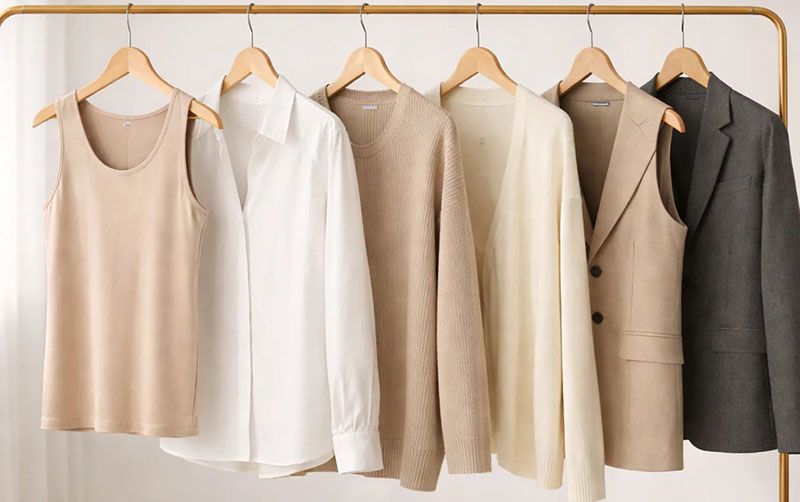
Layering pieces are essential for temperature regulation, comfort, and adaptability. They allow the wearer to add or remove layers depending on activity, weather, or location.
At Fusionknits, we emphasize that good layering pieces provide a foundation for versatile outfits. Light base layers wick moisture and maintain comfort, mid layers provide insulation, and outer layers offer protection. Properly designed layering pieces prevent overheating and ensure mobility.
Benefits of well-chosen layering pieces
- Efficient temperature control
- Enhanced comfort and movement
- Adaptability to indoor and outdoor conditions
- Stylish and versatile wardrobe combinations
| Benefit | How layering pieces contribute |
|---|---|
| Warmth | Insulating fabrics trap heat effectively |
| Flexibility | Stretch fabrics allow natural movement |
| Adaptability | Easy to add or remove layers |
| Style | Coordinated textures and colors enhance appearance |
What makes a good base layer?
The base layer is the foundation of any layered outfit. It should fit close to the body, be breathable, and manage moisture effectively.

At Fusionknits, we recommend using lightweight fabrics like polyester-spandex, merino wool, or bamboo blends for base layers. These materials wick sweat, maintain comfort during activity, and provide a smooth foundation for additional layers.
Key features of base layers
- Moisture-wicking properties
- Soft hand feel
- Stretch and recovery
- Lightweight for layering
- Durable for repeated wear
| Fabric | Best use |
|---|---|
| Polyester-spandex | High-intensity workouts |
| Merino wool | Temperature regulation, everyday comfort |
| Bamboo blends | Soft, eco-friendly, breathable |
What makes a good mid layer?
The mid layer provides insulation and retains body heat. It should be slightly relaxed in fit to allow freedom of movement while not adding excessive bulk.
At Fusionknits, we use fleece, brushed knits, and lightweight wool blends as mid layers. These fabrics provide warmth and softness while allowing the base layer to perform effectively.
Mid layer characteristics
- Insulating without being bulky
- Stretch-friendly for mobility
- Compatible with both base and outer layers
- Easy to combine with other fabrics
| Mid layer | Function |
|---|---|
| Fleece pullover | Lightweight warmth for casual or active use |
| Brushed knit sweater | Cozy insulation, soft texture |
| Lightweight wool | Stylish and breathable for layering |
What makes a good outer layer?
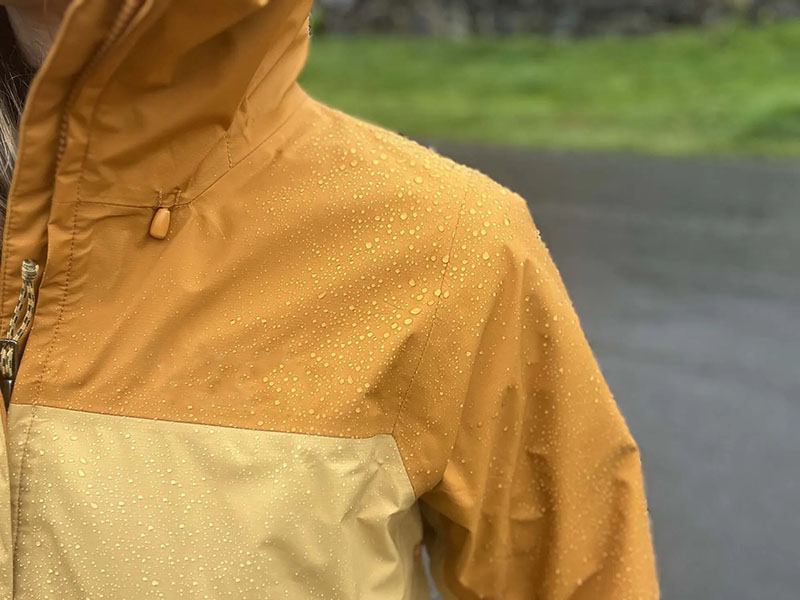
The outer layer provides protection against wind, rain, and cold. It should be loose enough to accommodate underlying layers without restricting movement.
At Fusionknits, outer layers include jackets, hoodies, windbreakers, and water-resistant coats. Fabrics like nylon, polyester, or laminated shells offer durability, weather resistance, and stretch when required.
Outer layer characteristics
- Protective from environmental elements
- Room for layering underneath
- Flexible enough for activity
- Breathable and moisture-managing
| Outer layer | Ideal features |
|---|---|
| Lightweight jacket | Wind and water resistance |
| Hoodie | Soft, comfortable, casual layering |
| Shell coat | Durable, protective, allows mobility |
How fabric choice affects layering
Selecting complementary fabrics is key to layering comfort. Fabrics should vary in weight, stretch, and breathability to prevent overheating or restriction.
At Fusionknits, we design layering systems where base fabrics wick moisture, mid fabrics provide warmth, and outer fabrics offer protection. Stretch compatibility between layers ensures the outfit moves naturally without pulling or bunching.
Tips for fabric selection
- Mix textures for visual depth
- Ensure base layer fits snugly, mid layer slightly relaxed
- Outer layer must accommodate stretch and movement
- Prioritize breathable fabrics for active layering
| Layer | Recommended fabrics |
|---|---|
| Base | Cotton blends, polyester-spandex, merino wool |
| Mid | Fleece, brushed knits, lightweight wool |
| Outer | Nylon, polyester, water-resistant laminates |
How fit influences layering
Fit is crucial for layering efficiency. Slim base layers under relaxed mid and outer layers create a balanced silhouette and allow freedom of movement.

At Fusionknits, we design garments with stretch and recovery to ensure that layered outfits remain comfortable and functional. Poorly fitting layers can restrict motion, reduce breathability, and create bulk.
Fit guidelines
- Base layer: snug, flexible
- Mid layer: relaxed, insulating
- Outer layer: loose enough for movement
- Stretch fabrics enhance comfort
| Layer | Fit recommendation |
|---|---|
| Base | Close-fitting, flexible |
| Mid | Slightly relaxed, insulating |
| Outer | Loose, accommodates layers |
How layering pieces adapt to different activities
Layering needs vary based on activity. For example, active workouts require breathable and stretchable layers, while casual or outdoor wear may prioritize warmth and style.
At Fusionknits, we advise tailoring layering pieces to activity:
- Gym or high-intensity activity: moisture-wicking base, lightweight mid-layer, flexible outer shell
- Yoga: soft, stretchy base and mid layers
- Casual or travel: comfortable mid-layer with a protective outer garment
Activity-specific layering
| Activity | Base | Mid | Outer |
|---|---|---|---|
| High-intensity | Moisture-wicking | Lightweight fleece | Breathable shell |
| Yoga | Stretch knit | Soft pullover | Optional hoodie |
| Casual/outdoor | Comfortable knit | Brushed sweater | Windbreaker or coat |
How accessories complement layering
Accessories like scarves, gloves, and hats enhance warmth and complete the layered look. They should be coordinated with fabric weight and outfit function.
At Fusionknits, we recommend selecting lightweight accessories that add warmth without bulk and harmonize with the layered fabrics. Scarves for the neck, gloves for hands, and hats for head coverage enhance both comfort and style.
Accessory tips
- Match weight with outer layers
- Use scarves and wraps for warmth
- Lightweight gloves for dexterity
- Hats or beanies for outdoor activities
| Accessory | Layering benefit |
|---|---|
| Scarf | Neck warmth, style accent |
| Gloves | Hand warmth without bulk |
| Hat | Head insulation, completes outfit |
Conclusion
Good layering pieces are the foundation of a versatile and functional wardrobe. They include moisture-wicking base layers, insulating mid layers, and protective outer layers, each selected for fit, fabric, and compatibility.
At Fusionknits, we emphasize that the best layering pieces balance comfort, mobility, and style, ensuring that garments work together harmoniously in multiple settings.
From a professional manufacturing perspective, each piece must complement others in stretch, drape, and durability. Fabrics are chosen for performance, seams are engineered for movement, and garment design ensures comfort across activities. Thoughtful layering with high-quality pieces provides warmth, flexibility, and aesthetic appeal, allowing customers to adapt easily to changing temperatures, activity levels, and environments while maintaining style and confidence.