Jackets are essential garments designed for warmth, protection, and style. Choosing the right material impacts not only comfort but also durability, water resistance, breathability, and overall performance. The best material varies depending on the type of jacket, intended use, and environmental conditions.
At Fusionknits, we focus on selecting high-performance fibers and fabric constructions to manufacture jackets that meet consumer expectations for comfort, longevity, and style. Understanding material properties is key for creating outerwear suitable for urban, casual, or extreme-weather applications.
As a professional apparel manufacturer, we explore the types of materials used in jackets, their performance characteristics, and how blends and finishing techniques enhance functionality and aesthetics.
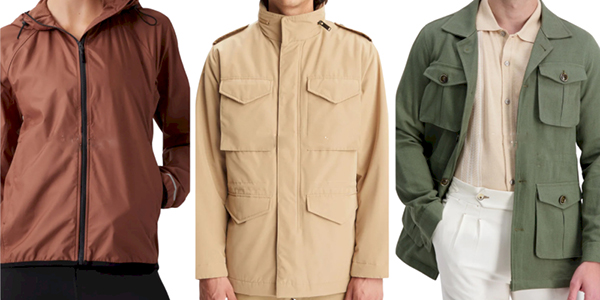
What makes a jacket material high-quality?
High-quality jacket materials are characterized by durability, weather resistance, comfort, and thermal performance. The fabric must withstand environmental factors, retain shape, and provide breathability while complementing the design and style of the garment.
At Fusionknits, we ensure that every material selected aligns with the garment’s purpose, whether lightweight windbreakers, insulated winter jackets, or technical outerwear for outdoor activities.
Key attributes of high-quality jacket materials
| Attribute | Importance |
|---|---|
| Durability | Resists abrasion and wear over time |
| Weather resistance | Shields against wind, rain, and snow |
| Breathability | Prevents overheating and moisture accumulation |
| Insulation compatibility | Enhances thermal performance in lined jackets |
| Comfort | Soft, flexible, and lightweight for everyday wear |
Common materials for jackets
Jackets can be made from natural fibers, synthetics, or blended fabrics. Each material offers distinct advantages and is chosen based on style, function, and climate.

At Fusionknits, we select materials to optimize performance and comfort while maintaining durability and aesthetic appeal.
Natural fibers
| Fiber | Characteristics | Best Use |
|---|---|---|
| Cotton | Soft, breathable, comfortable | Casual jackets, lightweight summer layers |
| Wool | Warm, insulating, natural | Winter jackets, formal outerwear |
| Leather | Durable, wind-resistant, stylish | Motorcycle jackets, fashion outerwear |
Synthetic fibers
| Fiber | Characteristics | Best Use |
|---|---|---|
| Polyester | Lightweight, water-resistant, durable | Rain jackets, puffer shells, windbreakers |
| Nylon | Strong, abrasion-resistant, smooth | Outdoor jackets, ski wear |
| Polyurethane (PU) | Water-resistant, flexible | Coatings for rain jackets or fashion outerwear |
| Fleece | Soft, insulating, lightweight | Lining for warmth and comfort |
Blends and their advantages
Blending fibers allows jackets to combine the best properties of each material. For instance, cotton-polyester blends improve durability and water resistance while maintaining comfort. Wool blends enhance warmth and softness while reducing weight or cost.
At Fusionknits, we use strategic blends to achieve optimal balance between comfort, performance, and style for casual, athletic, or technical outerwear.
Typical blends
| Blend | Advantages |
|---|---|
| Cotton/Polyester | Soft, durable, moisture-resistant, easy-care |
| Wool/Polyester | Warm, soft, lightweight, long-lasting |
| Nylon/Spandex | Stretchable, durable, resistant to tearing |
| Polyester/Fleece | Lightweight, insulated, comfortable |
How material impacts thermal performance
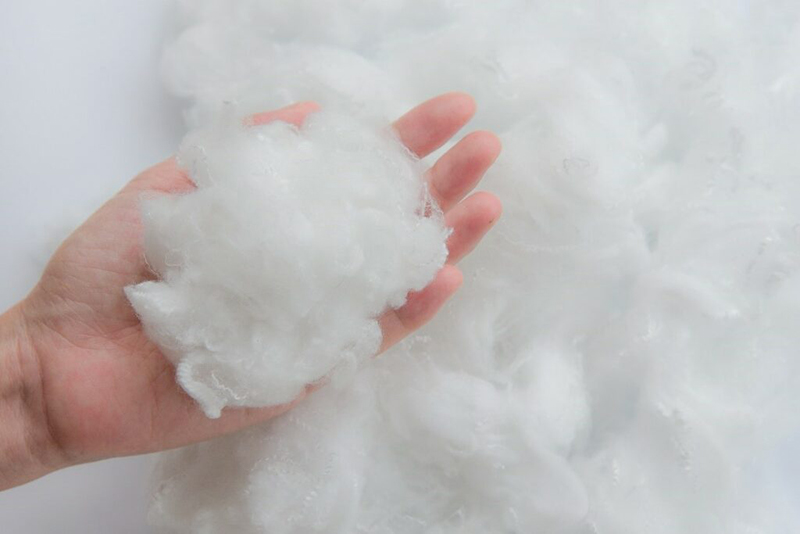
The warmth of a jacket depends not only on insulation but also on the material’s thermal properties. Natural fibers like wool provide excellent insulation, while synthetic fibers can trap heat while remaining lightweight. Breathable fabrics allow moisture to escape, improving comfort in variable conditions.
At Fusionknits, we integrate fabrics and insulation strategically to achieve desired warmth without sacrificing mobility or comfort, whether for winter jackets, puffer jackets, or softshell outerwear.
Material thermal properties
| Material | Warmth | Weight | Breathability |
|---|---|---|---|
| Wool | High | Moderate | Moderate |
| Cotton | Moderate | Moderate | High |
| Polyester | Moderate | Low | High (varies with construction) |
| Fleece | High | Low | High |
How water and wind resistance affect material selection
Outerwear fabrics must protect against environmental elements. Nylon and polyester with water-resistant coatings are common for rain jackets and windbreakers. Leather also provides natural wind and water resistance for fashion or motorcycle jackets.
At Fusionknits, we combine durable outer shells with technical finishes such as DWR coatings, laminated membranes, and windproof weaves to enhance protection while maintaining comfort and style.
Weatherproofing options
| Material | Protection | Notes |
|---|---|---|
| Nylon | Wind and water-resistant | Lightweight, used in outdoor jackets |
| Polyester | Water-resistant, durable | Ideal for daily wear and technical outerwear |
| PU-coated fabrics | Fully water-resistant | Fashion or technical rainwear |
| Leather | Windproof, water-repellent | Requires maintenance and conditioning |
How fabric construction affects comfort and durability
The way the fabric is knitted or woven influences comfort, stretch, and abrasion resistance. Tight weaves increase durability and water resistance, while looser weaves enhance breathability. Quilting and padding can provide warmth without excessive weight.

At Fusionknits, we carefully choose fabric construction based on jacket type, intended use, and climate, ensuring durability, comfort, and performance.
Construction examples
| Fabric Type | Benefits |
|---|---|
| Ripstop | Prevents tearing, durable for outdoor wear |
| Twill or herringbone | Strong weave, good abrasion resistance |
| Fleece knit | Soft, insulating, lightweight |
| Quilted shell | Distributes insulation evenly, maintains loft |
Finishing treatments and enhancements
Finishing processes such as water-repellent coatings, anti-pilling treatments, or softening can improve performance and consumer satisfaction. Technical finishes extend garment life and enhance visual appeal while maintaining comfort.
At Fusionknits, finishing techniques are applied judiciously to balance aesthetics, protection, and tactile comfort, ensuring that jackets remain functional and stylish over time.
Typical finishing techniques
| Process | Purpose |
|---|---|
| DWR coating | Water repellency |
| Anti-pilling | Prevents surface fuzz, maintains appearance |
| Brushing | Enhances softness and comfort |
| Laminating | Increases windproofing and waterproofing |
Conclusion
The best material for jackets depends on the intended use, climate, and consumer expectations. Natural fibers like cotton, wool, and leather provide comfort, warmth, and style, while synthetics like polyester, nylon, and PU-coated fabrics offer durability, weather resistance, and performance. Blends combine advantages to create versatile, high-quality outerwear.
At Fusionknits, we combine material selection, fiber blends, fabric construction, insulation, and finishing techniques to produce jackets that balance warmth, comfort, durability, and style.
By understanding the strengths and limitations of each material, brands can design jackets that perform in varied climates, meet consumer expectations, and maintain premium quality, ensuring both functional and fashionable outerwear for the modern market.