Choosing the right jacket for cold weather can be challenging. Puffer jackets and down jackets are two popular options, each offering warmth, insulation, and style. Understanding the differences between them helps consumers select the most suitable outerwear for their needs.
At Fusionknits, we manufacture high-quality jackets using premium materials, optimized insulation, and advanced construction techniques to provide comfort, warmth, and durability. Evaluating the features, benefits, and limitations of puffer versus down jackets is essential for both brands and consumers seeking superior winter wear.
As a professional clothing manufacturer, we explore insulation types, material composition, thermal performance, and functional design to determine which jacket type is ideal for various conditions and preferences.
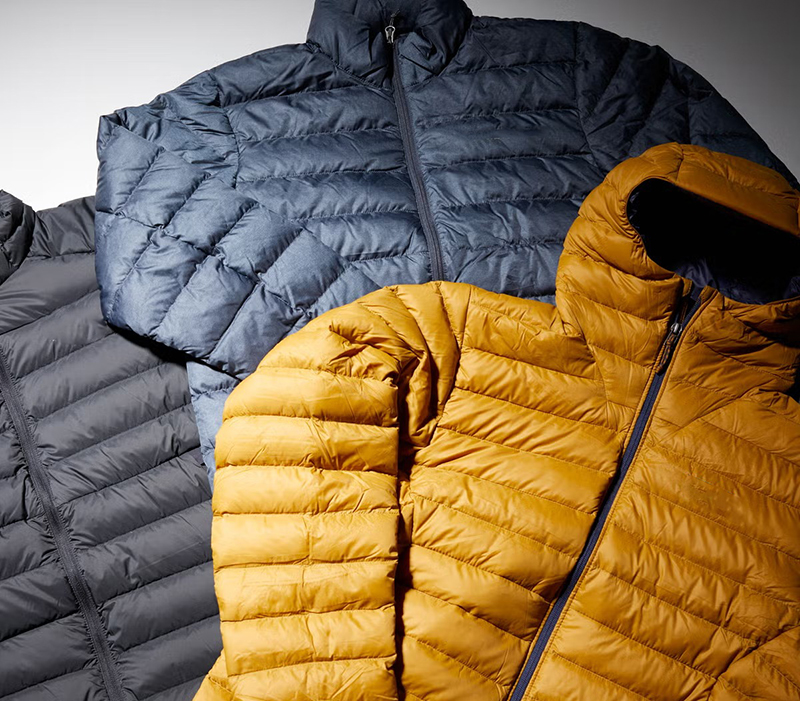
What defines a puffer jacket?
A puffer jacket is typically insulated with down, synthetic fibers, or a combination of both, featuring quilted sections or “puffs” that trap warmth. The quilting prevents insulation from shifting and enhances thermal efficiency. Puff jackets can vary in thickness, weight, and water resistance depending on the insulation type and outer shell material.
At Fusionknits, we optimize puffer construction to balance loft, warmth, and mobility while maintaining a lightweight and stylish design.
Key characteristics of puffer jackets
| Feature | Benefit |
|---|---|
| Quilted insulation | Even heat distribution, prevents cold spots |
| Lightweight | Easy to wear and packable |
| Variety of fillings | Down, synthetic, or blends for performance |
| Outer shell options | Water-resistant or waterproof for protection |
What defines a down jacket?
Down jackets specifically use natural down feathers, usually from ducks or geese, as insulation. Down provides exceptional warmth-to-weight ratio and compressibility, creating highly insulated garments that are lightweight and warm. Quality down jackets are graded by fill power, indicating loft and thermal efficiency.

At Fusionknits, we select premium down and design high-loft jackets with carefully constructed baffles to maximize warmth without adding bulk.
Key characteristics of down jackets
| Feature | Benefit |
|---|---|
| Natural down insulation | Superior warmth-to-weight ratio |
| High fill power | Efficient thermal retention |
| Compressibility | Easily packable for travel or storage |
| Lightweight and flexible | Comfortable and versatile |
How insulation type affects warmth
The primary difference between puffer and down jackets lies in insulation. Puffer jackets may contain down, synthetic fibers, or a combination, while down jackets exclusively use natural down. Synthetic insulation performs better in wet conditions, while down offers the highest warmth for weight in dry conditions.
At Fusionknits, we design jackets with insulation selection tailored to activity, climate, and user preference, ensuring optimal warmth and performance.
Insulation comparison
| Insulation | Warmth | Water performance | Durability |
|---|---|---|---|
| Down | Very high | Poor when wet unless treated | Long-lasting if dry |
| Synthetic | Moderate to high | Excellent, retains warmth when wet | Durable, low maintenance |
| Blend | High | Moderate to high | Balanced performance |
How jacket shell materials influence performance
The outer shell material impacts water resistance, windproofing, and durability. Both puffers and down jackets can use nylon, polyester, or specialized coated fabrics. Synthetic shells provide durability and weather resistance, while treated down jackets can incorporate water-repellent finishes.
At Fusionknits, we carefully select shell fabrics and finishes to complement insulation and enhance performance in varying weather conditions.
Shell material considerations
| Material | Benefit |
|---|---|
| Nylon | Lightweight, abrasion-resistant |
| Polyester | Durable, colorfast, water-resistant |
| PU-coated or DWR | Water-repellent, protects insulation |
| Softshell blends | Flexible, breathable, wind-resistant |
How weight and compressibility differ
Down jackets generally have a higher warmth-to-weight ratio, allowing them to be lighter than synthetic puffers of equivalent warmth. They also compress better, making them ideal for travel and storage. Synthetic puffer jackets may be slightly heavier but offer consistent warmth even in damp conditions.
At Fusionknits, we balance insulation and shell to provide warmth without unnecessary bulk, optimizing garment weight and compressibility.
Weight and packing comparison
| Jacket Type | Weight | Compressibility |
|---|---|---|
| Down | Very light | High, easy to pack |
| Puffer (synthetic) | Moderate | Moderate, retains loft when damp |
| Blend | Light to moderate | Moderate to high |
Maintenance and durability considerations
Down jackets require careful maintenance to preserve loft and warmth. They must be kept dry, and cleaning usually requires specialized methods. Synthetic puffer jackets are easier to wash, quicker to dry, and less sensitive to moisture.

At Fusionknits, we educate brands and consumers on care practices for both jacket types to ensure longevity and sustained performance.
Maintenance comparison
| Jacket Type | Cleaning | Longevity | Moisture Sensitivity |
|---|---|---|---|
| Down | Gentle wash or professional cleaning | Long-lasting if dry | Sensitive to wet conditions |
| Synthetic | Machine washable, quick-dry | Durable | Performs well when wet |
| Blend | Depends on insulation ratio | Moderate to high | Varies with fiber content |
Style and versatility differences
Both jacket types come in a range of styles, from casual urban wear to high-performance outdoor gear. Down jackets often appeal for minimalistic, sleek designs, while synthetic puffers offer diverse patterns, colors, and quilted aesthetics. Blend jackets provide balance in appearance and function.
At Fusionknits, we design versatile jacket lines that suit fashion and technical needs, combining insulation, shell fabric, and design elements.
Style considerations
| Feature | Down Jacket | Puffer Jacket |
|---|---|---|
| Aesthetic | Sleek, minimalistic | Quilted, varied patterns |
| Versatility | Urban and casual | Casual and performance |
| Color options | Moderate | Extensive |
| Layering | Lightweight, easy to layer | Slightly bulkier depending on insulation |
Conclusion
Choosing between a puffer and a down jacket depends on the intended use, climate, and wearer preferences. Down jackets offer exceptional warmth-to-weight ratio, compressibility, and a premium feel, making them ideal for dry, cold conditions and travel. Puffer jackets, especially with synthetic insulation, are durable, water-resistant, and versatile for everyday wear and wet climates. Blended options combine the advantages of both insulation types to achieve balance in warmth, performance, and practicality.
At Fusionknits, we integrate premium insulation, durable shell fabrics, advanced quilting techniques, and ergonomic design to produce jackets that meet high standards for warmth, comfort, and style.
By understanding the strengths and limitations of down, synthetic, and blended puffers, brands can create high-quality outerwear that delivers superior thermal performance, functional versatility, and aesthetic appeal in a range of climates and consumer needs.