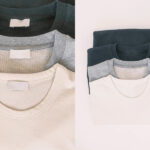
Bamboo baby clothes have become a premium segment in the infant apparel market, often carrying higher prices than cotton or synthetic alternatives. Parents are willing to pay a premium due to their softness, hypoallergenic properties, breathability, and eco-friendly appeal.
At Fusionknits, we manufacture bamboo baby clothes using carefully sourced fibers, precision knitting, and safe finishing processes. Understanding the factors that contribute to higher costs helps brands justify pricing and maintain customer trust.
As a professional clothing manufacturer, we explore the key reasons for the price of bamboo baby garments, including raw material costs, fiber processing, manufacturing complexity, quality standards, and market positioning.
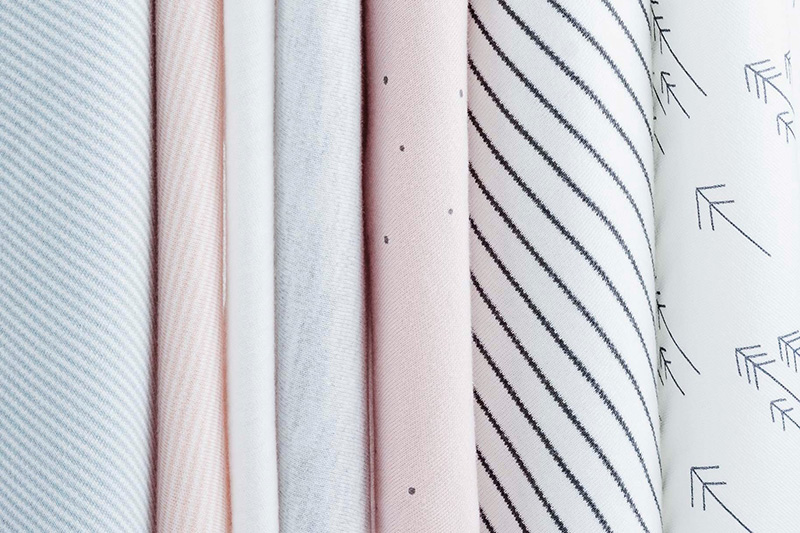
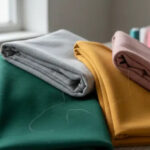
Bamboo fibers are inherently soft, silky, and hypoallergenic, making them ideal for sensitive baby skin. However, producing bamboo yarn is labor-intensive. Bamboo requires mechanical or chemical processing to convert plant stalks into wearable fabric. High-quality bamboo yarn, particularly viscose or bamboo-cotton blends, demands careful selection and treatment.
At Fusionknits, we source premium bamboo fibers that meet strict quality standards, ensuring durability, softness, and skin safety in baby garments.
Bamboo fiber characteristics
| Property | Benefit |
|---|---|
| Softness | Gentle against delicate skin |
| Hypoallergenic | Minimizes irritation and allergic reactions |
| Breathability | Keeps babies cool and comfortable |
| Moisture-wicking | Reduces sweating and skin discomfort |
| Sustainable | Fast-growing, eco-conscious fiber |
How bamboo fiber processing adds to cost
Bamboo fabric production can follow mechanical or chemical processes. Mechanical processing (bamboo linen) is eco-friendly but labor-intensive, requiring crushing, retting, and spinning. Chemical processing (bamboo viscose) uses solvents to create a softer, silk-like fiber but involves costly treatments and environmental controls.

At Fusionknits, we balance cost and sustainability by selecting efficient processing methods while maintaining fiber quality and eco-friendly practices.
Processing methods
| Method | Characteristics | Cost Impact |
|---|---|---|
| Mechanical | Preserves natural fiber, strong, coarse | High due to labor intensity |
| Chemical (viscose) | Silky, soft, highly comfortable | Moderate to high due to chemical handling and safety |
| Blends | Combines bamboo with cotton/spandex | Varies depending on blend ratio |
Why small-scale production affects price
Bamboo baby clothes are often produced in smaller batches to ensure consistent quality and precise sizing. Limited production means economies of scale are not fully realized, driving up the cost per garment. Brands often invest in custom designs, embroidery, or prints to appeal to premium markets.
At Fusionknits, we maintain small-batch production with rigorous quality control to guarantee that every garment meets our high standards.
Small-batch production factors
| Factor | Effect on Price |
|---|---|
| Custom sizes | More cutting and sewing variations |
| Limited production runs | Higher per-unit manufacturing cost |
| Detailed designs | Additional labor and time investment |
| Hand-finishing or inspections | Increases labor cost |
How knitting and construction impact cost
Bamboo baby clothes are usually knit rather than woven to enhance stretch, softness, and comfort. Techniques like interlock, rib, and jersey require precise machine calibration and skilled operators. Seamless or tagless designs, common in premium baby clothes, increase manufacturing complexity.
At Fusionknits, we use advanced knitting techniques to optimize comfort and durability, which adds value but also increases production cost.
Knit structures for bamboo baby garments
| Knit Type | Characteristics | Cost Implication |
|---|---|---|
| Interlock | Dense, soft, smooth | Requires precise tension, moderate cost |
| Jersey | Lightweight, stretchy | Standard cost but needs quality fibers |
| Rib | Elastic cuffs and trims | Specialized machines, slightly higher cost |
| Seamless | No side seams, ergonomic | High due to advanced machinery |
Why finishing processes add value
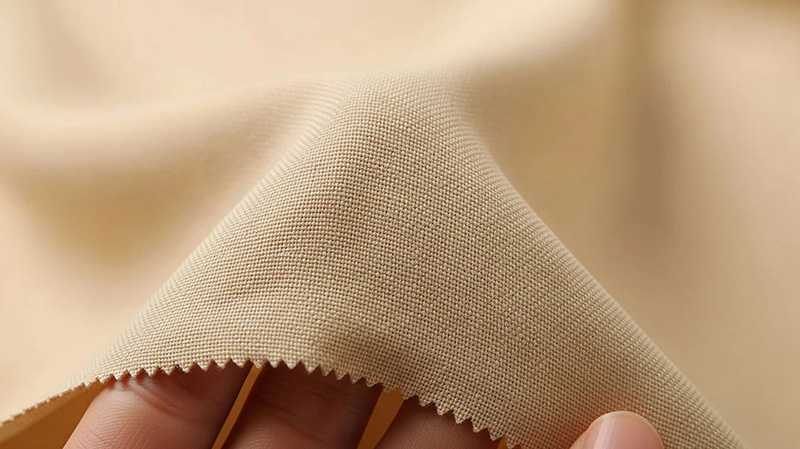
Bamboo garments require gentle finishing processes to preserve softness, prevent shrinkage, and maintain color. Treatments include enzyme washing, anti-pilling, colorfast dyeing, and softening. These processes ensure premium feel, safety for sensitive skin, and longevity, but they add significant labor and material cost.
At Fusionknits, we emphasize finishing to maintain the natural benefits of bamboo while meeting safety standards.
Typical finishing processes
| Process | Purpose | Cost Impact |
|---|---|---|
| Enzyme washing | Softens fibers | Adds labor and processing cost |
| Anti-pilling | Maintains smooth surface | Additional treatment cost |
| Non-toxic dyeing | Safe for infants, vibrant color | Higher cost due to chemical control |
| Pre-shrinking | Prevents future shrinkage | Increases machine time |
How sustainability influences pricing
Bamboo is marketed as an eco-friendly alternative. Sustainably harvested bamboo and chemical recycling processes can be expensive. Brands committed to reducing environmental impact invest in responsible sourcing, eco-friendly dyes, and water treatment systems, which increase production cost.

At Fusionknits, we source sustainable bamboo fibers and implement responsible processing to reduce environmental impact while producing high-quality baby garments.
Sustainability practices
| Practice | Benefit | Cost Effect |
|---|---|---|
| Certified bamboo | Ethical sourcing | Higher raw material cost |
| Recycled chemical processing | Eco-friendly viscose | Processing cost increases |
| Water treatment systems | Reduce environmental impact | Operational cost |
| Biodegradable packaging | Brand value | Additional packaging cost |
How quality control and safety measures contribute
High-end bamboo baby clothes require strict quality control for stitch integrity, fabric softness, hypoallergenic standards, and chemical safety. Specialized inspections and testing for shrinkage, colorfastness, and fiber content ensure garments meet premium standards. These measures increase labor and production costs but guarantee consumer trust.
At Fusionknits, we maintain rigorous quality control at every stage, from fabric inspection to final garment review, ensuring safety and comfort for infants.
Quality control steps
| Step | Purpose |
|---|---|
| Fabric inspection | Detect defects, verify softness |
| In-line inspection | Check seams, stitching, and fit |
| Final inspection | Ensure color, shrinkage, and comfort |
| Safety testing | Verify hypoallergenic and chemical safety |
How branding and packaging affect perceived value
Premium pricing is also influenced by branding and packaging. Bamboo baby clothes often feature sophisticated designs, eco-friendly packaging, and branding that highlights softness, sustainability, and comfort. These elements create a perception of value and justify higher retail prices.
At Fusionknits, we help brands develop packaging and branding strategies that reinforce premium positioning.
Branding considerations
| Feature | Purpose |
|---|---|
| Eco-friendly packaging | Supports sustainability claims |
| Tagless labels | Enhances comfort and perception of quality |
| Design details | Prints, embroidery, and patterns add appeal |
| Brand storytelling | Educates consumers about benefits and value |
Conclusion
Bamboo baby clothes are more expensive due to a combination of premium raw materials, labor-intensive fiber processing, advanced knitting techniques, finishing processes, sustainability practices, and rigorous quality control.
Natural softness, hypoallergenic properties, breathability, and durability make bamboo garments desirable for sensitive baby skin, while small-batch production, custom designs, and eco-conscious packaging further elevate costs.
At Fusionknits, we integrate premium bamboo fibers, expert knitting technology, and comprehensive finishing procedures to manufacture high-quality baby clothing. By carefully managing sourcing, production, and quality, we deliver garments that provide unmatched softness, comfort, and safety. The higher price reflects the combination of superior materials, careful craftsmanship, and sustainable production practices, ensuring that bamboo baby clothes meet the expectations of discerning parents and premium retail markets.