Choosing the right shorts length has become more important in modern activewear and casual fashion. Many buyers and consumers compare 5-inch and 7-inch shorts because the inseam length affects comfort, mobility, appearance, and performance.
Neither 5-inch nor 7-inch shorts are universally better. The best option depends on body type, activity level, style preference, and intended use. Five-inch shorts offer greater mobility and a sportier appearance, while seven-inch shorts provide more coverage and a balanced everyday fit.
At Fusionknits, we manufacture activewear and casual shorts for global brands, and inseam selection is one of the most common product development discussions during sampling and design planning.
What does a 5-inch or 7-inch inseam mean?
Many consumers misunderstand how shorts inseam measurements work. The inseam directly affects the overall fit and appearance of the garment.
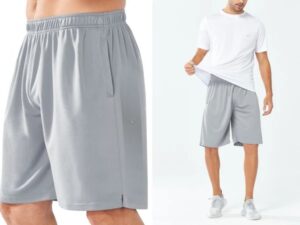
The inseam measures the distance from the crotch seam to the bottom hem of the shorts. A 5-inch inseam creates a shorter and more athletic fit, while a 7-inch inseam provides slightly more coverage and a more versatile silhouette.
In activewear manufacturing, inseam length also affects movement, fabric usage, and overall garment construction.
Visual difference between 5-inch and 7-inch shorts
| Inseam Length | Typical Position on Leg |
|---|---|
| 5-inch | Mid-thigh |
| 7-inch | Slightly above the knee |
Although the difference seems small numerically, the visual effect is significant when worn.
Why inseam matters in product development
Shorts length affects:
- Mobility during exercise
- Perceived body proportions
- Target customer demographics
- Fashion trends
- Fabric consumption
- Market positioning
This is why brands carefully select inseam lengths during collection planning.
Why are 5-inch shorts popular in activewear?
Five-inch shorts have become increasingly popular in fitness, running, and modern athleisure markets. Their shorter length supports movement and creates a more athletic appearance.

Five-inch shorts are popular because they provide greater freedom of movement, improved airflow, and a modern sport-focused silhouette.
At Fusionknits, many sportswear buyers now request 5-inch inseams for gym shorts and training collections.
Advantages of 5-inch shorts
- Better leg mobility
- Reduced fabric restriction
- Lighter overall garment weight
- Cooler feel during workouts
- Trend-driven athletic appearance
These benefits make shorter inseams highly suitable for training and running apparel.
Best activities for 5-inch shorts
| Activity | Why 5-Inch Works Well |
|---|---|
| Running | Less fabric interference |
| Gym training | Better flexibility |
| HIIT workouts | Improved movement |
| Beachwear | Lightweight comfort |
| Summer casual wear | Enhanced airflow |
The shorter design supports high-movement environments.
Potential limitations of 5-inch shorts
Despite their popularity, shorter shorts may not suit every customer.
Some concerns include:
- Less leg coverage
- Reduced pocket depth
- Less suitable for conservative markets
- Greater exposure during movement
Because of this, many brands offer both 5-inch and 7-inch options within the same collection.
Why do many consumers prefer 7-inch shorts?
Seven-inch shorts remain one of the most commercially successful inseam lengths because they balance comfort, coverage, and versatility.
Seven-inch shorts are preferred by many consumers because they provide a more balanced fit that works for workouts, casual wear, and everyday use.
In wholesale apparel manufacturing, 7-inch inseams often appeal to a broader customer base.
Advantages of 7-inch shorts
- More leg coverage
- Wider market acceptance
- Better pocket functionality
- More versatile styling
- Suitable for multiple age groups
This versatility makes them highly popular in mainstream retail.
Why brands use 7-inch inseams commercially
From a manufacturing perspective, 7-inch shorts are often safer for mass-market programs because they appeal to more body types and fashion preferences.
Best use cases for 7-inch shorts
| Use Category | Why 7-Inch Fits Well |
|---|---|
| Casual everyday wear | Balanced silhouette |
| Golf apparel | Professional appearance |
| Lifestyle activewear | Moderate coverage |
| Corporate wellness apparel | Conservative fit |
| Travel wear | Versatility and comfort |
This inseam length performs well across both fashion and functional categories.
How does body type affect shorts length choice?
Body proportions significantly influence how different inseam lengths appear when worn. The same shorts may look completely different depending on height and leg shape.
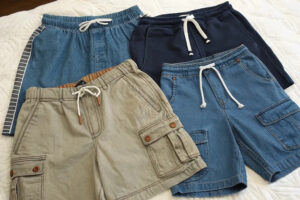
Five-inch shorts generally create the appearance of longer legs and a more athletic silhouette, while seven-inch shorts provide more balanced proportions and moderate coverage.
At Fusionknits, brands often adjust inseam recommendations based on target customer demographics.
How shorter inseams affect proportions
Five-inch shorts can:
- Visually lengthen the legs
- Emphasize quadriceps
- Create a more athletic profile
- Improve mobility appearance
This is why shorter inseams are common in modern fitness fashion.
How 7-inch inseams affect proportions
Seven-inch shorts often:
- Create a more neutral silhouette
- Reduce thigh exposure
- Provide broader size inclusivity
- Appeal to conservative customers
The balanced fit works well across diverse markets.
Which shorts length performs better during workouts?
Performance depends heavily on activity type. Different workouts require different movement patterns and comfort levels.
Five-inch shorts usually perform better for high-mobility workouts, while seven-inch shorts provide better coverage and comfort for mixed training or everyday activewear use.
In sportswear manufacturing, activity-based design is extremely important.
Why athletes prefer shorter inseams
Shorter shorts reduce fabric interference during movement.
Benefits include:
- Better range of motion
- Reduced fabric bunching
- Improved ventilation
- Less friction during running
This is especially important in endurance sports.
Why some training categories prefer longer inseams
Longer inseams can improve:
- Modesty during stretching
- Pocket storage
- Coverage during lifting
- General comfort for casual wear
This makes 7-inch shorts highly versatile for gym-to-street use.
How do fabric choices affect 5-inch and 7-inch shorts?
Fabric selection changes how shorts drape, stretch, and perform. Inseam length alone does not determine comfort or functionality.

Lightweight stretch fabrics work best for 5-inch shorts because they maximize mobility, while slightly heavier fabrics often complement 7-inch shorts by improving structure and durability.
At Fusionknits, inseam length and fabric choice are always developed together.
Common fabrics used for active shorts
| Fabric Type | Main Benefit |
|---|---|
| Polyester-Spandex | Stretch and moisture-wicking |
| Nylon-Spandex | Soft feel and flexibility |
| Mesh Fabric | Breathability |
| Cotton Blend | Casual comfort |
| Ripstop Fabric | Durability |
Each fabric performs differently depending on the inseam design.
Why lightweight fabrics suit 5-inch shorts
Shorter inseams often focus on speed and mobility.
Lightweight fabrics help improve:
- Breathability
- Flexibility
- Reduced garment weight
- Sweat management
This creates a more performance-focused product.
Why structured fabrics suit 7-inch shorts
Seven-inch shorts often function as hybrid products between sportswear and casualwear.
Structured fabrics improve:
- Shape retention
- Pocket support
- Durability
- Everyday versatility
This makes them suitable for broader market categories.
Are 5-inch shorts more fashionable today?
Fashion trends have shifted significantly in recent years. Shorter athletic silhouettes have become more accepted in both fitness and casual markets.
Five-inch shorts are currently trending in modern activewear because consumers increasingly prefer athletic-inspired silhouettes and retro sportswear influences.
However, trend preferences vary by region and customer age group.
Why shorter shorts are trending
Several factors influence this trend:
- Rise of athleisure fashion
- Vintage sportswear inspiration
- Fitness culture growth
- Social media influence
- Increased focus on mobility and comfort
This has increased demand for shorter inseams globally.
Why 7-inch shorts remain commercially strong
Despite changing trends, 7-inch shorts still dominate many retail categories because they are safer for broader audiences.
Many consumers prioritize:
- Everyday versatility
- Moderate coverage
- Conservative styling
- Multi-purpose functionality
This keeps 7-inch inseams highly relevant in mainstream apparel.
How should brands choose between 5-inch and 7-inch shorts?
There is no single correct inseam length for every collection. The ideal choice depends on target customers, activity type, and market positioning.
Brands should select inseam lengths based on product purpose, customer demographics, performance requirements, and regional fashion preferences.
At Fusionknits, inseam selection is often discussed alongside fabric choice, fit development, and branding strategy.
Questions brands should ask during development
- Is the product performance-focused or lifestyle-focused?
- Which age group is the target market?
- Is the collection trend-driven or commercial basics?
- Which regions will the shorts sell in?
- Will the shorts prioritize mobility or versatility?
These decisions strongly influence inseam development.
Recommended inseam by category
| Product Type | Recommended Inseam |
|---|---|
| Running Shorts | 5-inch |
| Gym Training Shorts | 5-inch or 7-inch |
| Lifestyle Activewear | 7-inch |
| Golf Shorts | 7-inch |
| Fashion Athleisure | 5-inch |
| Everyday Casual Shorts | 7-inch |
Successful product planning requires balancing fashion trends with long-term commercial demand.
Conclusion
Both 5-inch and 7-inch shorts offer unique advantages depending on the intended use and target customer. Five-inch shorts provide greater mobility, improved airflow, and a more athletic appearance, making them highly suitable for running, training, and trend-driven activewear collections. Seven-inch shorts deliver more coverage, broader market appeal, and stronger versatility for everyday wear and mixed-use activities.
From a manufacturing perspective, inseam selection affects not only garment appearance but also mobility, fabric usage, customer comfort, and market positioning. Fabric choice, fit development, and activity category all play important roles in determining whether a shorter or longer inseam performs better. Technical details such as stretch recovery, pocket construction, and fabric weight must also align with the intended inseam design.
At Fusionknits, we recommend that brands evaluate inseam length based on product function, regional trends, and customer expectations rather than following trends alone. A well-designed shorts program balances comfort, performance, aesthetics, and commercial demand. In today’s activewear market, both 5-inch and 7-inch shorts remain important categories with strong global demand across fitness and lifestyle apparel segments.