
Fleece jackets are among the most popular outerwear garments for outdoor activities, casual wear, and layering. Many consumers and buyers wonder just how warm fleece jackets can be and what factors influence their thermal performance.
Fleece jackets are generally warm because they are made from synthetic fibers like polyester, which trap air, retain body heat, and provide insulation. The warmth depends on fabric weight, pile density, layering, and additional treatments.
At Fusionknits, we manufacture fleece jackets for international brands, and understanding how warmth is achieved is crucial for creating products that meet performance and comfort expectations.
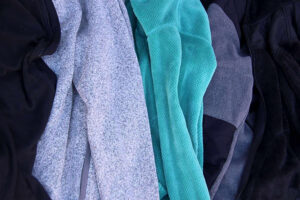
How does fleece generate warmth?
Fleece fabric has a unique construction that creates pockets of trapped air to retain body heat.
Fleece is a knitted polyester fabric with a brushed surface that increases thickness and traps air, acting as a thermal insulator while remaining lightweight.
The structure of fleece is essential to its insulating properties.
Key aspects of fleece warmth
- Brushed fibers create air pockets
- Synthetic polyester resists moisture
- Lightweight design allows layering
- Soft surface retains body heat
This combination explains why fleece jackets are effective for cold weather.
How fabric weight affects warmth
The weight of the fleece, measured in grams per square meter (GSM), significantly impacts thermal insulation.

Heavier fleece fabrics provide more warmth because they trap more air and add thickness, whereas lightweight fleece is better suited for layering or mild temperatures.
At Fusionknits, we select fleece weight based on climate and intended use.
Typical fleece weights
| Fleece Type | GSM | Usage |
|---|---|---|
| Lightweight | 150-200 | Layering, mild weather |
| Midweight | 200-300 | Everyday outdoor use |
| Heavyweight | 300-400+ | Cold climates, winter wear |
Choosing the right weight ensures comfort and performance.
Why thickness matters
Thicker fleece:
- Retains more heat
- Provides wind resistance
- Feels cozy and substantial
- Adds bulk but improves insulation
Thicker fabrics are ideal for standalone jackets or colder climates.
How pile density influences warmth
Pile density refers to the number of fibers per square inch and affects how well the fabric traps air.
Higher pile density fleece provides better insulation, while lower density fleece offers lightweight mobility and breathability.
Fusionknits balances pile density with weight to meet design requirements.
Benefits of dense fleece
- Increased thermal insulation
- Better wind resistance
- Enhanced durability
- Smooth, plush hand feel
Dense pile fleece is common in premium and performance jackets.
How fleece blends affect thermal performance
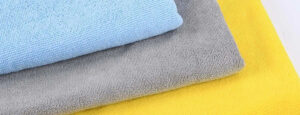
Many fleece jackets incorporate blended fibers for enhanced warmth, softness, or stretch.
Blends such as polyester-cotton or polyester-spandex combine insulation with improved comfort, flexibility, and moisture management.
Fabric blending allows designers to create jackets suited for specific conditions.
Common fleece blends
| Blend | Benefit |
|---|---|
| Polyester-Cotton | Soft, breathable, insulated |
| Polyester-Spandex | Stretch and comfort |
| Recycled Polyester | Eco-friendly warmth |
| Wool-Polyester | Added natural insulation |
Blends help adjust warmth, performance, and comfort.
How layering impacts fleece warmth
Fleece jackets are often used as part of a layering system for cold-weather activities.
Fleece retains warmth efficiently when layered over base layers and under outer shells, making it versatile for various climates and outdoor conditions.
Fusionknits designs jackets to optimize layering compatibility.
Layering strategies
- Base layer: Moisture-wicking T-shirt or thermal
- Mid-layer: Fleece jacket for insulation
- Outer layer: Waterproof or windproof shell
Proper layering enhances overall warmth.
Why layering works
- Traps heat close to the body
- Regulates temperature
- Reduces risk of overheating
- Increases flexibility in changing conditions
Layering is essential for outdoor enthusiasts.
How wind and water resistance affect warmth
While fleece insulates, it is not inherently windproof or waterproof.

To maintain warmth in windy or wet conditions, fleece jackets are often combined with windproof shells or treated with water-repellent coatings.
Fusionknits often adds wind-resistant panels or coatings to enhance thermal performance.
Windproof enhancements
- Nylon or polyester shell overlays
- DWR (Durable Water Repellent) finishes
- Elastic cuffs and hem to reduce drafts
These features help fleece jackets retain warmth in adverse weather.
Water-resistant treatments
- Light rain protection without heavy coating
- Maintains breathability
- Reduces moisture absorption
Water-repellent finishes are particularly valuable in outdoor fleece jackets.
How fleece jacket design contributes to warmth
Design features beyond material also affect heat retention.
High collars, adjustable hoods, elastic cuffs, and drawstring hems reduce heat loss and improve overall insulation.
Fusionknits emphasizes functional design details to optimize warmth and comfort.
Key design elements
- Hood: Traps head and neck heat
- High collar: Shields throat area
- Elastic cuffs: Prevents cold air entry
- Drawstring hem: Seals heat within the jacket
- Zip guards or storm flaps: Reduce heat loss through closures
Small details can dramatically enhance warmth.
How fleece breathability supports warmth
Unlike heavy insulated jackets, fleece allows moisture to escape while retaining warmth.
Breathable fleece reduces sweat buildup and prevents the wearer from feeling clammy, maintaining thermal comfort during activity.
Fusionknits balances insulation and ventilation in jacket design.
Why breathability is important
- Prevents overheating during exercise
- Keeps body dry
- Enhances comfort for long-term wear
- Supports layering without moisture buildup
Thermal regulation is key for activewear fleece jackets.
How fleece jackets compare to other warm jackets
Fleece jackets are lighter and more flexible than heavy insulated jackets or down coats.
While down or synthetic insulated jackets may provide more extreme warmth, fleece jackets are highly versatile, breathable, and suitable for moderate cold, layering, or active use.
Fusionknits designs fleece jackets to complement outer shells in cold-weather apparel.
Comparison table
| Feature | Fleece Jacket | Down Jacket | Wool Coat |
|---|---|---|---|
| Weight | Lightweight | Medium | Heavy |
| Warmth | Moderate | High | High |
| Breathability | High | Medium | Low |
| Mobility | High | Medium | Low |
| Weather Resistance | Low | Moderate | Medium |
Fleece is ideal for layering and active outdoor use.
Why fleece is popular for outdoor activities
Outdoor enthusiasts favor fleece jackets because they combine warmth, comfort, and mobility.
Fleece jackets allow freedom of movement, trap heat efficiently, and dry quickly, making them suitable for hiking, skiing, camping, and everyday wear.
Fusionknits develops jackets specifically for activewear markets.
Activity-specific benefits
- Hiking: Lightweight, easy to layer, breathable
- Skiing: Mid-layer insulation, moisture management
- Camping: Quick-drying, comfortable for extended wear
- Casual wear: Stylish and cozy
Versatility makes fleece a staple for outdoor enthusiasts.
How fleece quality affects warmth
Not all fleece fabrics provide equal warmth. Quality is determined by fiber length, pile density, finishing, and treatment.
Higher-quality fleece with long synthetic fibers, dense pile, and brushed finishes traps more air and retains more body heat than lower-quality alternatives.
Fusionknits sources high-quality fleece to ensure performance and longevity.
Quality indicators
- Dense, plush pile
- Soft, brushed finish
- Consistent fabric thickness
- Durable stitching and seams
- Resistance to pilling and wear
Premium fleece jackets maintain warmth longer and provide better comfort.
Are lightweight fleece jackets warm enough?
Lightweight fleece jackets are designed primarily for layering or mild weather conditions.
While not as warm as heavyweight fleece, lightweight jackets provide sufficient insulation for spring, fall, or indoor wear and can be combined with other layers for cold climates.
Fusionknits recommends lightweight fleece for versatile, multi-season use.
Situational usage
- Mild temperatures: Alone
- Cooler temperatures: Over base layers
- Cold weather: Under windproof or insulated outer layer
Lightweight fleece maintains comfort without bulk.
How eco-friendly fleece impacts warmth
Sustainable fleece fabrics made from recycled polyester or eco-friendly fibers perform similarly to traditional fleece.
Recycled fleece maintains warmth while reducing environmental impact, making it popular among eco-conscious consumers.
Fusionknits integrates sustainable fabrics into performance fleece jackets.
Benefits of recycled fleece
- Maintains insulation and softness
- Reduces energy use and waste
- Supports eco-friendly brand positioning
- Suitable for activewear and fashion
Sustainability does not compromise thermal performance.
Conclusion
Fleece jackets are generally warm due to their brushed, synthetic polyester construction that traps air and retains body heat. Factors that affect warmth include fabric weight, pile density, fiber quality, lining, and insulation, as well as jacket design elements like hoods, cuffs, and hems. Lightweight fleece jackets are ideal for layering, while midweight and heavyweight fleece provide standalone warmth in moderate to cold climates.
Breathability and moisture-wicking properties enhance comfort, making fleece suitable for outdoor activities, casual wear, and lifestyle fashion. Premium fleece fabrics, thoughtful design, and sustainable materials contribute to superior warmth, comfort, and durability.
At Fusionknits, we consider all these factors when manufacturing fleece jackets, ensuring optimal thermal performance, comfort, and style for global markets.