Cold weather can make outdoor work, commuting, hiking, and everyday activities uncomfortable. Traditional jackets rely solely on insulation to trap body heat, but heated jackets take a different approach by actively generating warmth through built-in heating elements. As heated apparel becomes more popular, many consumers and buyers ask whether Ororo heated jackets are actually worth the investment.
Yes, Ororo heated jackets are generally considered good because they combine reliable heating technology, practical designs, durable materials, and competitive pricing. They offer adjustable heating zones, rechargeable battery systems, and comfortable construction that make them suitable for outdoor work, travel, commuting, and winter activities. However, the best heated jacket still depends on individual needs, climate conditions, and expected usage.
At Fusionknits, we have observed increasing demand for functional outerwear that combines traditional garment construction with wearable technology, and heated jackets are one of the fastest-growing segments in this category.
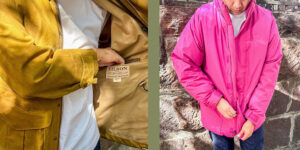
What Makes Ororo Heated Jackets Different from Regular Jackets?
Many people assume a heated jacket is simply a thicker winter coat.
The main difference is that Ororo heated jackets use battery-powered heating elements integrated into the garment, providing active warmth rather than relying entirely on insulation.
This technology allows users to regulate temperature more effectively.
How Heated Jackets Work
Most heated jackets contain:
- Carbon fiber heating elements
- Rechargeable lithium-ion battery packs
- Temperature control systems
- Insulated outer shell fabrics
The battery powers heating zones strategically placed throughout the jacket.
Common Heating Areas
Most Ororo jackets include heating panels in:
- Upper back
- Lower back
- Chest areas
- Sometimes the collar
These locations maximize warmth where users feel it most.
Advantages Over Traditional Jackets
Heated jackets offer:
- Faster warmth
- Adjustable temperature settings
- Reduced need for heavy layering
- Better comfort in extreme cold
This creates a different user experience compared to conventional outerwear.
How Good Is the Heating Performance?
Heating capability is often the most important factor when evaluating heated apparel.

Ororo heated jackets generally provide effective and consistent heating performance, with multiple temperature settings that allow users to customize warmth based on weather conditions and personal preference.
Heating performance varies depending on the model.
Typical Temperature Settings
Most models offer:
- Low heat mode
- Medium heat mode
- High heat mode
This flexibility helps users balance warmth and battery life.
How Quickly Do They Heat Up?
Many jackets begin generating noticeable warmth within:
- 30 seconds to 2 minutes
Rapid heating is one of the most appreciated features.
Benefits During Outdoor Activities
Users often appreciate:
- Warmth during commutes
- Comfort during outdoor work
- Improved cold-weather endurance
- Reduced reliance on bulky layers
These advantages make heated jackets appealing in various situations.
What Materials Are Used in Ororo Heated Jackets?
The fabric construction remains important even with built-in heating technology.
Most Ororo heated jackets use polyester shells, synthetic insulation, fleece linings, and water-resistant finishes to provide durability, comfort, and weather protection.
Material selection contributes significantly to overall performance.
Common Outer Shell Fabrics
Typical materials include:
- Polyester
- Softshell polyester blends
- Water-resistant woven fabrics
These materials provide protection against wind and light moisture.
Insulation Systems
Many jackets incorporate:
- Synthetic insulation
- Lightweight thermal fillings
- Fleece linings
Insulation works alongside the heating system.
Why Fabric Still Matters
Even when the battery is off, quality fabrics provide:
- Warmth
- Wind resistance
- Comfort
- Durability
The heating system should complement, not replace, proper garment construction.
How Long Does the Battery Last?
Battery performance directly affects usability.
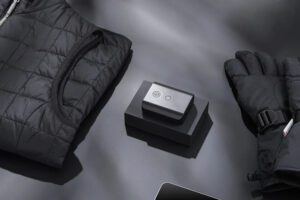
Most Ororo jackets provide between 3 and 10 hours of heating depending on the selected temperature setting, battery capacity, and environmental conditions.
Battery life varies significantly.
Typical Runtime Estimates
| Heat Setting | Approximate Runtime |
|---|---|
| High | 3-4 Hours |
| Medium | 5-7 Hours |
| Low | 8-10 Hours |
These figures may vary by model.
Factors Affecting Battery Life
Battery duration depends on:
- Outdoor temperature
- Heat setting
- Battery size
- Age of the battery
Cold environments often increase power consumption.
Why Battery Capacity Matters
Longer battery life benefits:
- Outdoor workers
- Travelers
- Hikers
- Winter commuters
Battery performance should match intended use.
Are Ororo Heated Jackets Durable?
Durability is a major concern when electronics are integrated into apparel.
Ororo heated jackets are generally designed to withstand regular wear, washing, and outdoor use while protecting heating elements and battery connections.
Proper construction is critical.
Durability Features
Many jackets include:
- Reinforced stitching
- Durable zippers
- Secure wiring channels
- Water-resistant materials
These features support long-term use.
Can They Be Washed?
Most heated jackets are machine washable after removing the battery.
However, users should:
- Follow manufacturer instructions
- Avoid harsh detergents
- Air dry when recommended
Proper care extends product lifespan.
Common Wear Areas
Buyers should inspect:
- Zipper durability
- Battery connection points
- Heating element placement
- Seam quality
Construction quality affects long-term performance.
Are Ororo Heated Jackets Waterproof?
Many consumers confuse water resistance with waterproofing.

Most Ororo heated jackets offer water-resistant protection rather than full waterproof performance. They can handle light rain and snow but may not be suitable for prolonged exposure to heavy rainfall.
This distinction is important.
Water-Resistant Features
Many models include:
- DWR treatments
- Water-resistant fabrics
- Wind-resistant shells
These features improve weather protection.
Waterproof vs Water-Resistant
| Feature | Water-Resistant | Waterproof |
|---|---|---|
| Light Rain | Yes | Yes |
| Heavy Rain | Limited | Excellent |
| Seam Sealing | Rare | Common |
| Waterproof Membrane | Usually No | Yes |
Most heated jackets prioritize warmth over extreme waterproofing.
Best Uses
Water-resistant heated jackets work well for:
- Daily commuting
- Outdoor work
- Light snow conditions
- Casual winter activities
Extreme weather may require specialized outerwear.
Who Benefits Most from Heated Jackets?
Not everyone requires heated apparel.
Heated jackets are particularly beneficial for people who spend extended periods outdoors in cold environments and need consistent warmth without bulky layering.
Different users have different needs.
Ideal Users
Examples include:
- Construction workers
- Delivery drivers
- Outdoor enthusiasts
- Hunters
- Campers
- Commuters
These groups often experience prolonged cold exposure.
Less Suitable Applications
Heated jackets may be unnecessary for:
- Mild climates
- Indoor use
- Short outdoor trips
Traditional outerwear may be sufficient in these situations.
Why Heated Apparel Continues to Grow
Consumers increasingly value:
- Comfort
- Convenience
- Technology integration
Heated apparel addresses all three.
How Does Ororo Compare to Other Heated Jacket Brands?
The heated apparel market has become increasingly competitive.
Ororo is often considered one of the strongest value-oriented heated jacket brands because it balances performance, quality, and affordability.
Different brands target different market segments.
Key Comparison Factors
Consumers often compare:
- Heating performance
- Battery life
- Material quality
- Price
- Warranty coverage
No single brand dominates every category.
Ororo's Strengths
Common advantages include:
- Competitive pricing
- Wide product range
- Reliable heating systems
- User-friendly controls
These features contribute to strong customer satisfaction.
Potential Limitations
Compared to premium outdoor brands:
- Some models use simpler materials
- Extreme-weather protection may be lower
- Technical features may be more limited
However, many users find the value proposition attractive.
What Should Buyers Consider Before Purchasing?
Choosing the right heated jacket requires careful evaluation.
Buyers should consider climate conditions, battery performance, intended use, fabric quality, heating zone placement, and overall garment construction before making a purchase.
The best heated jacket depends on individual needs.
Questions to Ask
Before buying, consider:
- How cold is the environment?
- How long will the jacket be worn?
- Is water resistance necessary?
- What battery life is required?
- How important is weight?
These factors influence product selection.
Key Features to Evaluate
Look for:
- Heating coverage
- Battery capacity
- Material quality
- Fit and comfort
- Warranty support
A balanced evaluation improves satisfaction.
Always Consider the Entire Jacket
Heating technology matters, but so do:
- Fabric performance
- Construction quality
- Insulation effectiveness
The complete garment system determines overall value.
Conclusion
Ororo heated jackets have earned a strong reputation because they successfully combine heating technology, practical design, comfortable materials, and accessible pricing. Their battery-powered heating systems provide adjustable warmth that can significantly improve comfort during cold-weather activities, while the use of durable fabrics, synthetic insulation, and weather-resistant construction helps maintain functionality even when the heating system is not in use. For many consumers, Ororo offers a compelling balance between performance and affordability within the growing heated apparel market.
However, no heated jacket is perfect for every situation. Buyers should carefully evaluate battery life, heating coverage, weather protection, durability, and intended use before making a decision. A heated jacket designed for commuting may differ significantly from one intended for outdoor work or winter recreation. Understanding these differences helps ensure that the chosen product matches real-world needs and expectations.
At Fusionknits, we have found that the success of heated outerwear ultimately depends on combining reliable electronic components with high-quality garment manufacturing. When advanced heating technology is paired with durable fabrics, thoughtful construction, and user-focused design, heated jackets can provide a level of comfort and functionality that traditional outerwear alone cannot achieve.