Polo shirts are a timeless staple in both casual and professional wardrobes, known for their comfort, versatility, and iconic collared design. One of the most common questions among consumers and brands is whether polo shirts are typically made from 100% cotton, and what implications this has for quality, comfort, and performance.
At Fusionknits, we approach this question from a professional manufacturing perspective, emphasizing that polo shirts can be made from 100% cotton, cotton blends, or synthetic fibers depending on their intended use. Selecting the right material impacts not only comfort but also durability, color retention, fit, and maintenance, all of which are critical for delivering high-quality garments to consumers.
Understanding the different materials used for polo shirts, along with their properties and production considerations, helps brands make informed decisions while designing and manufacturing their collections.
What Is 100% Cotton in Polo Shirts?
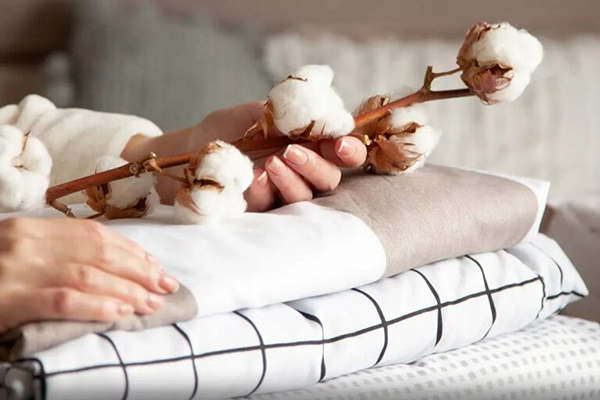
100% cotton polo shirts are crafted entirely from natural cotton fibers. These shirts are soft, breathable, and generally comfortable against the skin, making them ideal for casual wear and light activity. Cotton’s natural moisture absorption properties help regulate temperature, while its soft texture ensures a comfortable feel throughout the day.
At Fusionknits, we recommend 100% cotton polos for brands focusing on premium casual wear, where tactile comfort and breathability are prioritized over high-performance features. However, cotton alone may be more prone to shrinkage, wrinkling, or color fading if not properly cared for, which brands and consumers should consider when choosing fabrics.
Advantages of 100% Cotton
| Feature | Benefit |
|---|---|
| Softness | Provides a gentle feel on the skin, enhancing comfort for all-day wear |
| Breathability | Allows air circulation to keep the wearer cool in warm conditions |
| Natural Fiber | Hypoallergenic, biodegradable, and eco-friendly |
| Durability | Long-lasting when woven tightly and cared for appropriately |
Are All Polo Shirts Made From Cotton?
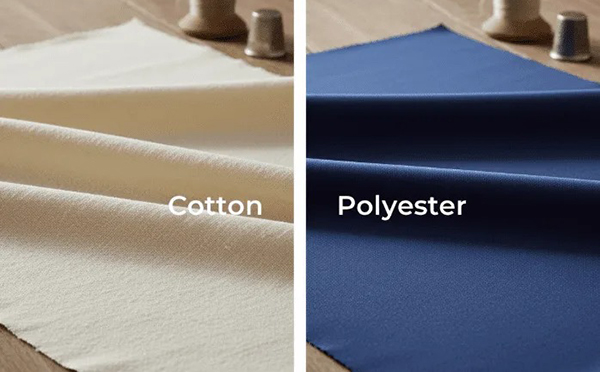
Not all polo shirts are 100% cotton. Many modern designs incorporate cotton blends, polyester, or synthetic fibers to improve performance, durability, or ease of care. For instance, sports polo shirts often include polyester or spandex to facilitate moisture-wicking, stretch, and quicker drying, which is crucial during physical activity.

At Fusionknits, we recommend fabric selection based on the garment’s purpose. While pure cotton is ideal for casual or corporate polos, blends or synthetic materials offer functional advantages for athletic or uniform applications without sacrificing comfort.
Common Polo Shirt Compositions
| Composition | Purpose |
|---|---|
| 100% Cotton | Soft, breathable, premium casual wear |
| Cotton/Polyester Blend | Wrinkle-resistant, moisture-wicking, durable |
| 100% Polyester | Quick-drying, suitable for sports and outdoor activities |
| Cotton/Spandex Blend | Provides stretch, shape retention, and flexibility |
How Fabric Choice Affects Comfort and Performance
The material selected for a polo shirt influences both comfort and performance. Pure cotton offers maximum softness and a natural feel, but it may shrink or wrinkle easily. Cotton blends reduce shrinkage, improve durability, and provide additional features like moisture management or stretch. Synthetic fabrics are lightweight, fast-drying, and ideal for active use.
At Fusionknits, we evaluate the end-use of each polo garment carefully. Whether for casual, corporate, or sportswear purposes, the fabric must meet consumer expectations for comfort, flexibility, and longevity while maintaining brand quality standards.
Fabric Performance Comparison
| Fabric | Comfort | Performance | Maintenance |
|---|---|---|---|
| 100% Cotton | Very soft | Moderate | Medium – prone to shrinkage/wrinkle |
| Cotton/Polyester | Soft | High | Easy-care, wrinkle-resistant |
| 100% Polyester | Moderate | High – quick-drying, durable | Low-maintenance |
| Cotton/Spandex | Soft | High – stretch and shape retention | Medium – requires careful washing |
Why Some Brands Choose Cotton Blends
Blending cotton with polyester or spandex allows manufacturers to combine the best of both worlds: cotton’s natural softness with synthetic durability, stretch, and moisture-wicking properties. Cotton blends are popular in corporate polos and sportswear because they maintain comfort while improving performance and longevity.
At Fusionknits, we use precise blend ratios to achieve optimal performance. For example, a 60% cotton / 40% polyester blend offers softness, wrinkle resistance, and durability, while a 95% cotton / 5% spandex blend provides a comfortable stretch and a better fit.
Common Cotton Blend Ratios
| Blend | Advantages |
|---|---|
| 60% Cotton / 40% Polyester | Soft, durable, wrinkle-resistant |
| 80% Cotton / 20% Polyester | Soft feel with enhanced durability |
| 95% Cotton / 5% Spandex | Stretchable, maintains shape, comfortable fit |
How Cotton Quality Impacts Polo Shirts
Not all cotton fibers are of the same quality. Fiber length, fineness, and the knitting or weaving technique significantly influence softness, durability, and the overall feel of the garment. Pima or Egyptian cotton, which features long, fine fibers, produces smoother, more luxurious polo shirts with less pilling and greater longevity.
At Fusionknits, we source high-quality cotton fibers to ensure premium comfort, strength, and durability for casual, corporate, and lifestyle polo collections.
Cotton Quality Comparison
| Cotton Type | Characteristics | Best Use |
|---|---|---|
| Standard Cotton | Medium softness and durability | Everyday casual polos |
| Pima Cotton | Long fibers, silky feel, strong | Premium casual or fashion polos |
| Egyptian Cotton | Luxurious, extra smooth, long-lasting | High-end, formal, or luxury polos |
Care and Maintenance of 100% Cotton Polo Shirts
100% cotton polos require careful washing and drying to prevent shrinkage, maintain shape, and preserve color. Cold or lukewarm water, mild detergent, and low-heat or flat drying are recommended. Blends typically require less maintenance, but understanding proper care helps extend the garment’s lifespan.

At Fusionknits, we provide detailed care instructions to ensure consumers enjoy their polo shirts’ softness and appearance over time, maintaining the brand’s premium standards.
Care Tips for Cotton Polos
| Task | Recommendation |
|---|---|
| Washing | Cold or lukewarm water, gentle cycle |
| Detergent | Mild, pH-neutral, avoid bleach |
| Drying | Air dry flat or tumble dry low heat |
| Ironing | Cotton setting, avoid high heat |
How Material Choice Impacts Pricing
The material significantly affects manufacturing cost. 100% cotton is often more expensive than synthetic or blended alternatives due to the natural fiber sourcing and processing required. Premium cotton like Pima or Egyptian cotton further increases production costs but allows brands to charge higher prices based on perceived luxury and comfort.
At Fusionknits, we work with brands to balance material quality, manufacturing cost, and market positioning to ensure both profitability and high consumer satisfaction.
Material vs. Price
| Material | Price Range | Key Advantage |
|---|---|---|
| 100% Cotton | Medium-High | Soft, natural, breathable |
| Cotton/Polyester | Medium | Durable, easy-care, versatile |
| 100% Polyester | Low-Medium | Functional, high-performance, cost-effective |
| Pima/Egyptian Cotton | High | Luxurious feel, high durability, premium pricing |
Conclusion
Polo shirts can be made from 100% cotton, cotton blends, or synthetic fabrics, depending on the garment’s intended use and brand positioning. 100% cotton provides maximum softness, breathability, and comfort for casual wear, while cotton blends and synthetics enhance durability, stretch, moisture management, and maintenance ease for sportswear or corporate applications.
At Fusionknits, we approach polo shirt production professionally, combining careful fiber selection, fabric construction, and finishing processes to create garments that balance comfort, performance, and style.
By understanding the advantages and limitations of 100% cotton versus blended or synthetic fabrics, brands can deliver high-quality polo shirts that meet consumer expectations for feel, appearance, and functionality while maintaining consistent brand standards and long-term value.