Many apparel buyers and consumers use the terms cardigan and sweater interchangeably. This often creates confusion when sourcing knitwear, building product categories, or communicating with manufacturers. Understanding the relationship between these garments helps brands classify products more accurately and meet customer expectations.
Yes, cardigans count as sweaters. A cardigan is a specific type of sweater that features an opening at the front, usually with buttons, zippers, or no closure at all. While all cardigans are sweaters, not all sweaters are cardigans.
In our experience manufacturing knitwear for brands across North America, Europe, and Australia, cardigans remain one of the most versatile sweater categories because they offer both warmth and styling flexibility.

What Is the Difference Between a Cardigan and a Sweater?
Many people assume cardigans and sweaters are completely different garments.
The main difference is that a cardigan has a front opening, while a traditional sweater is typically a pullover without any front closure. Both garments belong to the broader sweater category because they are made from knitted fabrics designed to provide warmth and comfort.
From a manufacturing perspective, the construction process for both garments is very similar.
Basic Comparison
| Feature | Cardigan | Pullover Sweater |
|---|---|---|
| Front Opening | Yes | No |
| Buttons or Zipper | Usually | Rare |
| Layering Flexibility | High | Moderate |
| Warmth | Similar | Similar |
| Knit Construction | Yes | Yes |
Although the styling differs, the fabric development and knitting techniques often overlap significantly.
Why the Confusion Exists
Consumers frequently associate sweaters with pullovers because those are the most common styles in retail stores.
However, within the apparel industry, sweaters include:
- Cardigans
- Pullovers
- Crewneck sweaters
- V-neck sweaters
- Turtlenecks
- Half-zip sweaters
- Cable knit sweaters
Cardigans simply represent one subcategory within this larger knitwear family.
Why Are Cardigans Considered Sweaters?
The classification comes from how the garment is constructed rather than how it is worn.

Cardigans are considered sweaters because they are produced using knitted structures and yarns that provide insulation and comfort, which are the defining characteristics of sweaters.
The front opening changes the styling but does not change the garment category.
Most cardigans and sweaters use similar manufacturing processes:
- Flat knitting
- Circular knitting
- Fully fashioned knitting
- Cut-and-sew knit construction
The primary distinction appears during garment assembly rather than fabric development.
Similar Materials
Many cardigans and sweaters use the same fibers:
- Cotton
- Wool
- Cashmere
- Acrylic
- Polyester blends
- Viscose blends
The material selection often determines comfort, warmth, and pricing more than the garment style itself.
Retail Classification Standards
Most apparel retailers classify cardigans under sweater categories because:
- The fabrics are similar
- The intended use is similar
- The consumer shops for them in the same department
This approach simplifies merchandising and inventory management.
What Fabrics Are Commonly Used for Cardigans?
Fabric selection has a major influence on the appearance and performance of a cardigan.
The best cardigan fabrics depend on the intended market, but cotton, wool, acrylic, and blended yarns remain the most common choices due to their balance of comfort, durability, and cost.
Different fibers create different customer experiences.
Cotton Cardigans
Cotton is one of the most popular choices for casual cardigans.
Benefits include:
- Breathability
- Soft hand feel
- Easy maintenance
- Year-round wearability
Cotton cardigans are especially popular in North American and European markets.
Wool Cardigans
Wool provides excellent insulation.
Advantages include:
- Natural warmth
- Moisture management
- Premium appearance
- Long lifespan
These garments are commonly used in autumn and winter collections.
Acrylic Cardigans
Acrylic remains a popular alternative to wool.
Benefits include:
- Lower cost
- Lightweight feel
- Easy care
- Good color retention
Many fashion brands use acrylic blends to achieve competitive pricing.
Blended Yarns
Blends often provide the best balance.
Common examples include:
| Blend Type | Key Benefit |
|---|---|
| Cotton-Acrylic | Softness and durability |
| Wool-Nylon | Strength and warmth |
| Viscose-Polyester | Smooth drape |
| Cotton-Polyester | Easy maintenance |
The right blend depends on brand positioning and target customers.
How Are Cardigans Manufactured?
Many buyers assume cardigan production is identical to standard sweater production.
While cardigans share many knitting processes with sweaters, additional manufacturing steps are required to create the front opening, button placket, zipper construction, and finishing details.
These features increase production complexity.
Yarn Selection
The manufacturing process begins with yarn development.
Factors include:
- Fiber content
- Yarn count
- Twist level
- Color consistency
Proper yarn selection affects both performance and appearance.
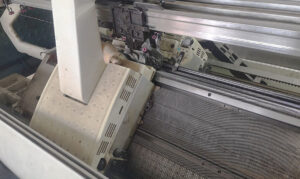
Knitting Process
Several knitting methods are commonly used:
Flat Knitting
Suitable for:
- Premium cardigans
- Fully fashioned garments
- Complex patterns
Circular Knitting
Suitable for:
- Lightweight styles
- Large production volumes
Computerized Knitting
Provides:
- Greater precision
- Faster sampling
- Complex designs
Many modern cardigan programs rely heavily on computerized knitting technology.
Garment Assembly
Additional construction steps often include:
- Button attachment
- Zipper installation
- Pocket construction
- Rib finishing
- Linking and seaming
These processes contribute to the final garment quality.
Why Are Cardigans Popular With Fashion Brands?
Cardigans remain a consistent category across global fashion markets.
Fashion brands value cardigans because they offer versatility, appeal to multiple demographics, and adapt easily to changing seasonal trends.
Few knitwear categories provide the same flexibility.
Strong Layering Potential
Cardigans work well with:
- T-shirts
- Polo shirts
- Dresses
- Blouses
- Activewear
This versatility increases their commercial appeal.
Broad Customer Base
Cardigans are purchased by:
- Men
- Women
- Children
- Seniors
This broad market creates stable demand throughout the year.
Seasonal Flexibility
Different yarn weights allow brands to sell cardigans across multiple seasons.
Examples include:
| Season | Recommended Material |
|---|---|
| Spring | Cotton blends |
| Summer | Lightweight cotton |
| Autumn | Cotton-wool blends |
| Winter | Wool and cashmere |
This flexibility supports long-term product planning.
Are Cardigans Better Than Traditional Sweaters?
Many consumers compare cardigans and pullovers when making purchasing decisions.
Neither style is universally better. Cardigans offer greater layering flexibility, while traditional sweaters often provide a cleaner appearance and slightly better insulation.
The ideal choice depends on consumer preferences.
Advantages of Cardigans
Cardigans provide:
- Easy temperature regulation
- Layering versatility
- Multiple styling options
- Convenient wearability
Many consumers appreciate the ability to remove or open the garment throughout the day.
Advantages of Pullovers
Pullovers offer:
- Simpler construction
- Streamlined appearance
- Better wind protection
- Slightly lower production cost
These benefits make pullovers attractive for minimalist designs.
Which Style Sells Better?
The answer depends on market positioning.
Lifestyle brands often favor cardigans because of their styling versatility, while outdoor and casual brands may focus more heavily on pullovers.
What Should Apparel Buyers Consider When Sourcing Cardigans?
Successful sourcing requires more than selecting an attractive design.
Buyers should evaluate yarn quality, knitting consistency, garment construction, and supplier capabilities when sourcing cardigans.
These factors directly affect customer satisfaction.
Evaluate Yarn Quality
Important considerations include:
- Fiber composition
- Pilling resistance
- Colorfastness
- Softness
Higher-quality yarns generally result in better long-term performance.
Inspect Construction Details
Pay close attention to:
- Button attachment
- Seam quality
- Rib consistency
- Linking accuracy
Small construction issues often become major quality problems after repeated wear.
Request Samples
Before placing bulk orders, buyers should review:
- Fit samples
- Size sets
- Wash-tested samples
This helps identify potential issues before production begins.
Assess Factory Capabilities
A reliable supplier should offer:
- Consistent knitting quality
- Strong quality control systems
- Sampling expertise
- Production scalability
These capabilities become increasingly important for growing apparel brands.
Conclusion
Cardigans absolutely count as sweaters because they share the same fundamental knitted construction, materials, and purpose. The defining feature of a cardigan is its front opening, but this design difference does not place it outside the sweater category. In the apparel industry, cardigans, pullovers, crewnecks, and turtlenecks are all considered types of sweaters, each serving different styling and functional needs.
For apparel brands and buyers, understanding this distinction is important when developing knitwear collections, communicating with manufacturers, and organizing product categories. Fabric selection, yarn quality, knitting techniques, and garment construction all influence the final product far more than whether the sweater has a front opening.
At Fusionknits, we have seen consistent demand for cardigans because they combine comfort, versatility, and timeless appeal, making them one of the most reliable knitwear categories across global fashion markets.