
Many people wash cardigans too quickly because they treat them like T-shirts or base layers. That often does more harm than good. In knitwear, too much washing can weaken shape, reduce softness, and shorten the life of the garment. A cardigan usually needs care, but it does not always need immediate washing after every wear.
Yes, cardigans do need to be washed, but not after every wear. Most cardigans should be washed only when they show odor, stains, sweat buildup, or visible loss of freshness. The right washing frequency depends on the fiber, how the cardigan is worn, and how much direct skin contact it has.
At Fusionknits, this is not only a laundry question. It is also a knitwear quality question. A well-made cardigan should keep its shape, hand feel, and surface appearance through repeated wear. That only happens when the garment is washed carefully and only as often as necessary.
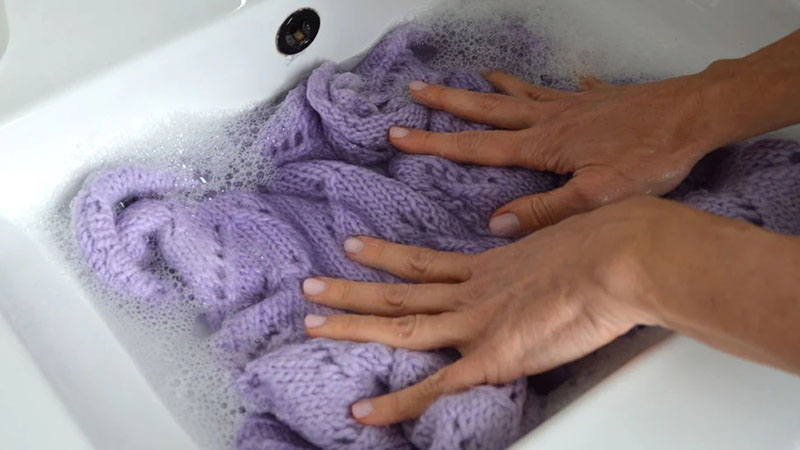
Why do cardigans need a different washing approach from other clothes?
A cardigan is not usually worn the same way as a T-shirt, tank, or undergarment. In many wardrobes, it works as a layering piece. That changes how fast it gets dirty and how often it really needs washing.
Cardigans need a different washing approach because they are often worn over other garments, absorb less direct body oil, and rely on knit structure for shape and softness. Washing them too often can damage the yarn, distort the silhouette, and reduce the life of the garment.
From a manufacturing point of view, knitwear should always be handled with more care than many basic cut-and-sew tops. A cardigan may look soft and simple, but its yarn, stitch tension, rib structure, and finish are more sensitive than many woven or jersey garments. That is why overwashing creates problems faster than many people expect.
At Fusionknits, cardigan care is usually explained through product behavior. The garment should be kept clean, but the cleaning method should still respect the knit structure.
Why cardigans are not the same as everyday base layers
- They are often worn over another top
- They may have less direct skin contact
- They rely on knit recovery and shape retention
- They can lose surface quality through aggressive washing
- They may use delicate fibers or soft blends
Why too much washing becomes a problem
It stresses the knit structure
Cardigans can lose body shape when washed too often.
It reduces softness
Repeated washing can make some yarns feel drier, flatter, or rougher.
It weakens product life
The cardigan may pill faster, stretch out faster, or lose refinement sooner.
A simple care comparison
| Garment type | Usual washing pressure |
|---|---|
| T-shirt | Higher frequency |
| Undershirt | Very frequent |
| Cardigan | Lower frequency, more careful care |
| Premium knitwear | Lowest frequency, highest care sensitivity |
That is why a cardigan should not be treated like a basic tee. It needs a slower and more thoughtful care rhythm.
Do all cardigans eventually need to be washed?
Yes. Even if a cardigan is worn lightly, it still collects some level of odor, dust, body oils, or environmental exposure over time. The issue is not whether it should ever be washed. The issue is when and how.

Yes, all cardigans eventually need to be washed because regular wear slowly builds up odor, skin contact residue, dust, and surface exposure. But the need is based on the condition of the cardigan, not on a fixed after-every-wear rule.
Some people avoid washing knitwear for too long because they are afraid of damage. That is also a mistake. A cardigan should not be left unwashed once it begins to smell dull, feel dirty, or lose freshness. The best care routine sits between over-washing and neglect.
At Fusionknits, the strongest cardigan care advice is based on balance. Wash when the garment truly needs it, but avoid automatic washing just because it was worn once.
Why every cardigan eventually needs cleaning
- Light body oils build up over time
- Airborne dust settles into the knit
- Perfume, deodorant, or smoke can linger
- Small marks may collect around cuffs and neckline
- Surface freshness drops with repeated use
Why waiting too long also creates problems
Dirt becomes harder to remove
Fresh marks are easier to clean than older buildup.
Odor becomes more noticeable
A cardigan can look fine and still no longer feel fresh.
The garment loses its best appearance
Even high-quality knitwear needs refreshment to stay attractive.
Condition-based care guide
| Cardigan condition | Care decision |
|---|---|
| Fresh, clean, no odor | Rewear |
| Light wear only | Air out first |
| Odor or visible buildup | Wash soon |
| Stain or spill | Spot clean or wash promptly |
So yes, cardigans do need to be washed. They just do not need to be washed constantly.
Why do some cardigans need washing sooner than others?
Not all cardigans behave in the same way. The material, gauge, fit, and usage pattern all affect how quickly the garment starts to feel dirty or tired.
Some cardigans need washing sooner because they are made from fibers that hold sweat or odor more easily, are worn close to the skin, or are used in warmer, longer, or more active situations. Fiber type and wear conditions usually matter more than the garment name alone.
At Fusionknits, one of the most important care differences in knitwear comes from fiber behavior. A wool cardigan, a cotton cardigan, and an acrylic cardigan do not respond to wear in the same way. Even when the style looks similar, the care rhythm can be very different.
Main factors that change wash frequency
- Fiber composition
- Direct skin contact
- Weather and temperature
- Sweat level
- Wearing time
- Whether it is layered over another garment
- Exposure to smoke, food, or perfume
Why wear conditions matter so much
A layered cardigan stays cleaner longer
If the cardigan sits over a shirt or tee, it receives less direct body transfer.
A close-fitting cardigan may need more care
Tighter contact with skin usually means faster buildup.
Warm conditions speed up wash need
Heat and humidity usually increase sweat and odor transfer.
Wear-condition overview
| Condition | Washing impact |
|---|---|
| Layered over a blouse or tee | Less frequent washing |
| Worn directly on skin | More frequent washing |
| Short indoor use | Lower immediate need |
| All-day active use | Higher washing need |
That is why two cardigans can have very different care needs even if they belong to the same wardrobe.
Do wool cardigans need less washing?
Yes. Wool cardigans usually need less washing than many cotton or synthetic options because wool resists odor better and often recovers freshness more effectively through airing.
Yes, wool cardigans usually need less washing because wool naturally handles odor and moisture better than many other common knitwear fibers. A wool cardigan often stays fresh longer, especially when it is worn over another layer and aired out after use.
From a product development perspective, this is one reason wool remains such an important cardigan fiber. It offers warmth, shape, and lower washing pressure when the garment is worn correctly. That does not mean wool never needs washing. It means wool often rewards gentler and less frequent laundering.
At Fusionknits, wool cardigans are usually treated as lower-frequency wash garments rather than everyday wash garments.
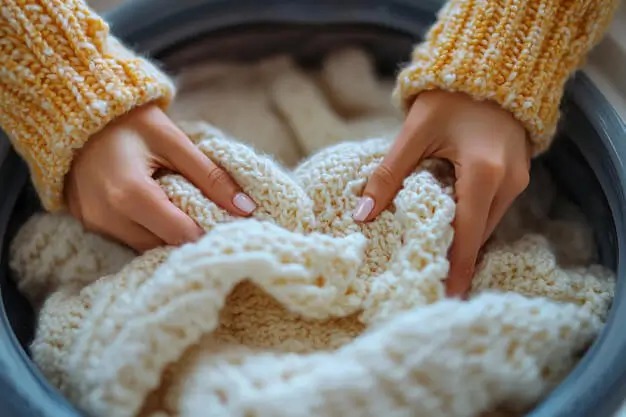
Why wool needs less washing
- Better odor resistance
- Better freshness recovery between wears
- Strong layering performance
- Good cool-weather use conditions
- Better suitability for airing instead of full washing
What helps wool cardigans stay cleaner longer
Wear a base layer underneath
This reduces direct transfer of sweat and skin oils.
Air the cardigan after use
Fresh air often helps restore the garment between wears.
Avoid unnecessary washing
If the cardigan still feels fresh, a full wash is often not yet needed.
Wool care guide
| Wool cardigan use | Practical care direction |
|---|---|
| Light layered wear | Usually rewear first |
| Short office wear | Often air out and reuse |
| Sweat, odor, or stain | Wash sooner |
| Seasonal storage preparation | Clean before storing |
Wool cardigans still need washing, but usually not as fast as many people think.
Do cotton and synthetic cardigans need more washing?
In many cases, yes. Cotton and synthetic cardigans often show wear faster because they may absorb body moisture more readily or hold odor more easily than wool.
Yes, cotton and synthetic cardigans often need more frequent washing than wool cardigans, especially when they are worn close to the skin or in warm conditions. These fibers usually hold sweat, body oil, and odor more quickly in everyday wear.
Cotton cardigans are often easy to wear and easy to understand, but they are not always the longest-lasting between washes. Synthetic cardigans may be durable, but they can also trap odor faster in some situations. This is why fiber type matters so much in cardigan care.
At Fusionknits, fiber-sensitive care advice is always better than giving one universal wash rule to every knitwear product.
Why cotton cardigans may need earlier washing
- They absorb moisture more easily
- They are often worn in lighter close-to-body styles
- They may hold odor faster in long wear
- They do not always refresh as well through airing alone
Why synthetics may also need more frequent washing
They can hold odor faster
Especially in warm indoor wear or long daily use.
They are common in casual everyday cardigans
That usually means more regular wardrobe rotation and more skin contact.
They often need freshness-based care
Acrylic or polyester-rich cardigans may look fine while still losing freshness sooner.
Fiber comparison
| Fiber type | General wash rhythm |
|---|---|
| Wool | Less frequent |
| Cashmere blend | Less frequent but gentler |
| Cotton | Moderate frequency |
| Synthetic or acrylic blend | Often moderate to more frequent |
That is why material choice changes cardigan care so clearly.
Does wearing a shirt under a cardigan reduce how often it needs washing?
Yes. This is one of the easiest ways to extend cardigan freshness without reducing hygiene. A cardigan worn as a layer usually stays cleaner longer than one worn directly against the body.

Yes, wearing a shirt, tee, or blouse under a cardigan usually reduces how often it needs washing because the base layer absorbs much of the direct sweat, skin oil, and deodorant transfer that would otherwise move into the cardigan.
From a knitwear product point of view, this is one of the main reasons cardigans often have a lower wash frequency than tops worn directly on the skin. The garment functions more like a visible layer than a base garment.
At Fusionknits, layering logic is one of the simplest care principles for extending knitwear life.
Why layering helps
- Less direct skin contact
- Less sweat transfer
- Less underarm buildup
- Less neckline oil and makeup transfer
- Lower washing pressure on delicate yarns
When layering matters most
Premium cardigans
Fine yarn and soft finishes benefit strongly from fewer full washes.
Workwear and office cardigans
These are often worn over shirts or blouses and can stay fresh longer.
Seasonal wool cardigans
Layering helps keep them cleaner between wears.
Layering impact guide
| Wear method | Washing effect |
|---|---|
| Over a tee or shirt | Less frequent washing |
| Direct skin contact | More frequent washing |
| Short layered use | More rewear potential |
| Warm direct wear | Higher wash need |
A cardigan usually lasts longer when it acts as a layer instead of a base garment.
How can you tell when a cardigan actually needs washing?
The best rule is condition, not routine. A cardigan does not need to be washed just because it has been worn once, but it should not be ignored when it clearly needs refreshing.
A cardigan needs washing when it shows odor, stains, body oil marks, dullness, sweat buildup, or a generally tired surface feel. Actual condition is a better guide than washing by habit.
Some cardigans need a full wash. Some only need airing out. Some only need spot cleaning. A smarter knitwear routine comes from reading the garment correctly.
At Fusionknits, condition-based care is always stronger than automatic care because it protects both cleanliness and garment life.
Signs a cardigan needs washing now
- Noticeable odor
- Stains or spills
- Sweat transfer
- Makeup or product marks
- Dirty cuffs or neckline
- Surface no longer feeling fresh
Signs it may not need washing yet
No odor
If the cardigan still smells clean, a full wash may not be necessary.
No visible marks
A stain-free knit with light wear often only needs rest and air.
It was worn briefly over another layer
This usually means lower actual soil load.
Practical condition guide
| Garment sign | Best next step |
|---|---|
| Fresh and clean | Rewear |
| Slightly tired but not dirty | Air out |
| Spot mark only | Spot clean |
| Odor or visible dirt | Full wash |
The goal is not to avoid washing forever. The goal is to wash when the cardigan truly needs it.
How can you keep a cardigan fresh without washing it too often?
This is one of the most useful knitwear care skills. A cardigan often stays in better condition when freshness is maintained between washes instead of being constantly laundered.
You can keep a cardigan fresh without washing it too often by airing it out, layering underneath, spot cleaning small marks, avoiding overdressing in heat, and storing it properly between wears. These habits reduce wash pressure and help the cardigan last longer.
At Fusionknits, these between-wash habits are just as important as the wash itself because knitwear quality depends on long-term handling, not only on detergent choice.
Better between-wash cardigan care habits
- Air the cardigan after use
- Wear a base layer underneath
- Spot clean early
- Keep it away from heavy food or smoke odors
- Fold it properly instead of hanging weak knits too long
- Rotate between knitwear pieces instead of wearing one cardigan every day
Why these habits help
Less washing means less fiber stress
This helps preserve softness, surface, and shape.
Better storage protects structure
A rested cardigan usually performs better in the next wear.
Smaller care actions prevent bigger wash needs
A quick air-out or spot clean often delays a full wash.
Freshness maintenance guide
| Care habit | Benefit |
|---|---|
| Airing out | Restores freshness |
| Layering | Reduces direct transfer |
| Spot cleaning | Prevents unnecessary full washes |
| Proper storage | Protects shape and finish |
A cardigan usually stays better for longer when freshness is managed between washes instead of through repeated full laundering.
What is the best washing mindset for cardigan care?
The strongest answer is simple: wash the cardigan when it needs care, but do not wash it just because it was worn once. Knitwear performs best when cleanliness and garment life are both respected.
The best washing mindset for cardigans is condition-based, fiber-aware, and gentle. Cardigans do need to be washed, but the right care routine depends on how the garment was worn, what it is made of, and whether it actually needs cleaning.
At Fusionknits, a cardigan is treated as a knitwear product that should remain clean, but also remain strong, soft, and well-shaped over time. That only happens when washing is done with discipline rather than routine.
Conclusion
Yes, cardigans do need to be washed, but not after every wear. Most cardigans only need washing when they show real signs of odor, stains, sweat buildup, or loss of freshness. Wool and premium knit cardigans often need less frequent washing, while cotton and synthetic cardigans may need it sooner depending on how they are worn. Layering, airing out, and spot cleaning can all help extend the time between full washes.
From a professional knitwear perspective, the best cardigan care routine is not based on habit alone. It is based on fiber, wear conditions, and garment condition.
At Fusionknits, the goal is always the same: keep the cardigan clean enough to feel fresh, but not so overwashed that the knit loses its shape, softness, and long-term quality.