Many buyers think leggings are easy to make because they look simple. In real production, that is not true. Leggings are one of the most technical products in modern apparel. A small mistake in fabric, pattern, waistband, or stitching can create rolling, twisting, sheerness, or poor recovery. That is why leggings manufacturing needs much more control than many people expect.
At Fusionknits, leggings are manufactured through a clear process that usually includes fabric development, pattern making, sampling, fabric cutting, sewing, waistband construction, finishing, quality control, and packing. A strong pair of leggings depends on precise work at every stage because this product must fit closely, stretch correctly, and stay stable during movement.
As a professional apparel manufacturer, we see leggings as a product where construction quality and fabric quality must work together from the beginning. A beautiful color is not enough. A soft hand feel is not enough. The product must still perform under stretch, movement, washing, and repeat wear. That is why leggings manufacturing is not only about sewing fabric together. It is about building a technical garment that can hold its shape and function in real life.
Why are leggings more technical than they look?
Leggings seem simple because they usually have a clean silhouette and fewer visible design details than jackets or trousers. But the closer a garment sits to the body, the less space it has to hide mistakes. Every part becomes more visible.
Leggings are more technical than they look because they are close-fit garments that depend heavily on stretch balance, opacity, waistband control, seam placement, and recovery. If one part of the product is weak, the wearer will notice it very quickly.
At Fusionknits, we often explain that leggings are not simple basics. They are precision products. If the fabric stretches too much, the leggings may go sheer. If the waistband is weak, it may roll down. If the seams are not planned correctly, the garment may twist or feel uncomfortable during movement.
Why leggings are technically sensitive
- The garment sits close to the body
- Stretch must stay balanced in many directions
- Opacity must remain stable under movement
- Waistband support must feel secure but not tight
- Seams must support both comfort and durability
Why this matters in manufacturing
Small problems become big quickly
A minor defect in a loose sweatshirt may be hidden. In leggings, it becomes obvious.
Fit and function must work together
The garment must look smooth, feel supportive, and move naturally at the same time.
| Technical area | Why it matters |
|---|---|
| Stretch balance | Controls comfort and fit |
| Opacity | Protects confidence in wear |
| Recovery | Protects long-term shape |
| Waistband | Controls security and support |
What fabrics are used to manufacture leggings?
Fabric is the first major decision in the whole process. The wrong material can weaken the leggings before production even starts. This is why strong leggings manufacturing begins with the right fabric system.

At Fusionknits, leggings are usually made from stretch knit fabrics such as nylon-spandex or polyester-spandex blends. These fabrics are chosen because they offer the stretch, recovery, support, and body fit needed for activewear, yoga wear, and athleisure leggings.
Nylon-spandex is often chosen for a smoother and more premium hand feel. Polyester-spandex is often selected for stronger training use and easier moisture management. In many cases, the fabric may also use interlock, circular knit, brushed finish, or compression-led construction depending on the product role.
Common legging fabric directions
- Nylon-spandex blends
- Polyester-spandex blends
- Interlock knits
- Brushed activewear fabrics
- Compression-support fabrics
- Double-knit stretch materials
Why fabric choice matters so much
The fabric defines the product’s real behavior
Softness, support, recovery, and opacity all begin here.
Fabric must match the target customer
A yoga legging and a training legging should not always use the same material logic.
| Fabric type | Best use |
|---|---|
| Nylon-spandex | Soft premium leggings |
| Polyester-spandex | Training and performance leggings |
| Compression knit | Sculpting and support leggings |
How does the pattern-making stage work?
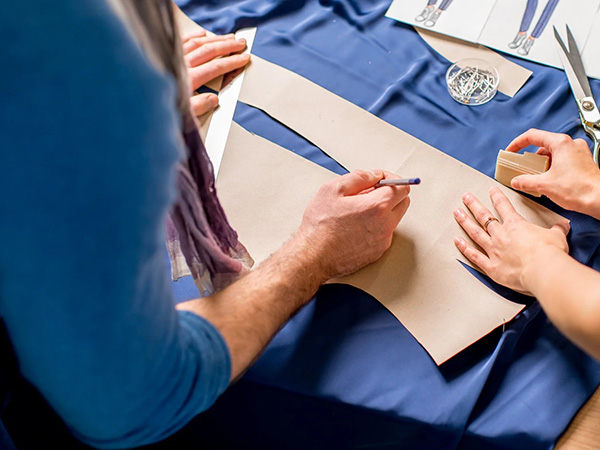
Once the fabric direction is clear, the next stage is pattern development. This is where the legging shape is built. The product may look simple, but the pattern is highly important because it controls fit, movement, and visual balance.
Leggings are manufactured from patterns that are developed to match the stretch behavior of the fabric, the target fit, and the intended use. Pattern making usually includes the front and back leg panels, crotch shape, waistband pieces, gusset if used, and any side panels or pocket sections.
At Fusionknits, we never separate the pattern from the fabric. A stretch fabric changes how the pattern must behave. A compressive fabric may need different ease than a softer yoga knit. A flared legging needs a different lower-leg plan than a standard ankle legging. Good pattern development is one of the strongest signs of serious leggings manufacturing.
Key pattern areas in leggings
- Waist and rise balance
- Hip and thigh shape
- Inseam and outseam control
- Crotch curve
- Gusset shape
- Waistband structure
- Hem finish direction
Why pattern making is critical
The garment must move naturally
The fit should support stretching, bending, and walking without distortion.
The silhouette must stay clean
A weak pattern can create twisting or pulling even with a good fabric.
| Pattern area | Product effect |
|---|---|
| Rise | Affects comfort and hold |
| Gusset | Improves mobility and fit |
| Waistband pattern | Affects support and stay-up performance |
How are leggings sampled before bulk production?
Sampling is one of the most important stages because it allows the brand and factory to check whether the product performs correctly before large-scale production begins.
At Fusionknits, leggings are sampled before bulk production to test fit, stretch, recovery, waistband behavior, seam comfort, and opacity. A sample helps confirm whether the fabric and construction work correctly together.
This stage often includes several revisions. The first sample may reveal issues in waistband roll, thigh pressure, seam tension, or sheerness. Those issues must be solved before the production line begins.
What a sample usually checks
- Overall fit
- Waistband support
- Recovery after stretch
- Opacity under bending or squatting
- Seam smoothness
- Pocket placement if included
- Hem stability
Why sampling matters so much
It prevents larger production mistakes
A small issue in the sample can become a major problem in bulk.
It helps the brand define the real product
The final legging should match both visual and functional expectations.
| Sample checkpoint | Why it matters |
|---|---|
| Squat test | Checks opacity |
| Fit test | Checks body balance |
| Wear test | Checks real movement performance |
How is the fabric cut during manufacturing?
After the sample is approved, the production fabric is prepared for cutting. The cut stage must be accurate because stretch fabric can shift or distort if handled badly.
Leggings are usually manufactured by laying the fabric in controlled stacks and cutting it with precision based on approved patterns or markers. Because stretch fabric can move easily, cutting must be done carefully to keep panel size and shape consistent.
At Fusionknits, cutting is not only a mechanical step. It is a control step. If the pieces are not cut accurately, the sewing team cannot build a stable garment later. Stretch fabrics require careful tension control during spreading and cutting so the final pieces remain true to size.
Main cutting considerations
- Fabric direction
- Stretch direction
- Marker efficiency
- Panel consistency
- Prevention of distortion
- Size separation and tracking
Why accurate cutting matters
The garment depends on panel precision
A small difference can affect seam alignment and fit.
Stretch fabrics need special care
They should not be pulled or relaxed unevenly before sewing.
| Cutting factor | Why it matters |
|---|---|
| Grain and stretch direction | Affects final fit |
| Panel consistency | Improves size accuracy |
| Fabric control | Prevents distortion |
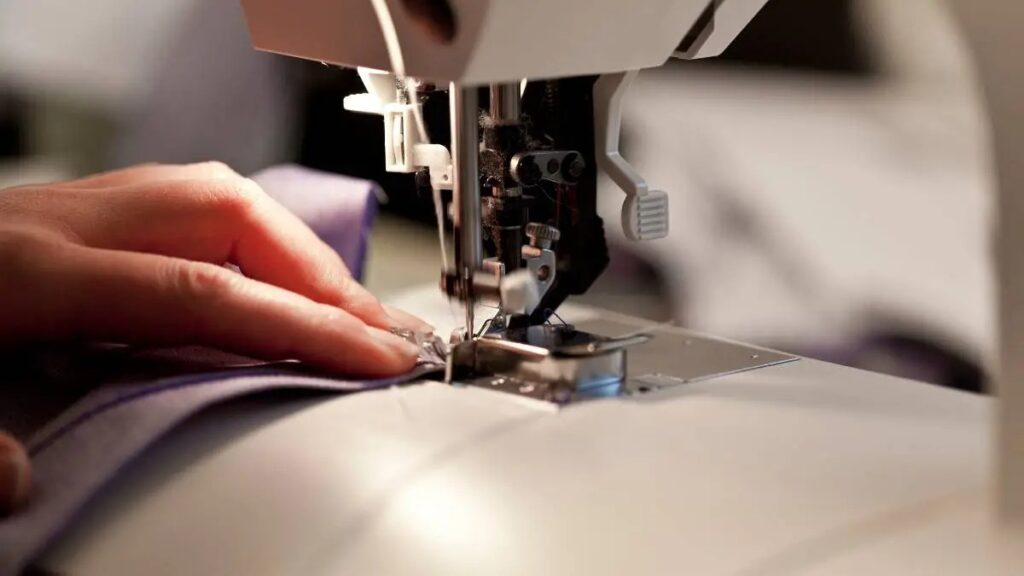
How are leggings sewn together?
Sewing is where the garment begins to take its real shape. In leggings, this stage is especially important because the seams must stay strong, smooth, and flexible.

Leggings are usually sewn with stretch-supporting seam methods such as overlock, flatlock, or coverstitch, depending on the design and product role. These seam types help the garment stay comfortable while handling movement and repeated stretch.
At Fusionknits, seam choice depends on the use case. Yoga leggings may prioritize smoother comfort. Training leggings may need stronger support at stress points. Pocket leggings may require more construction steps. The sewing stage usually includes joining the leg panels, inserting the gusset if used, attaching the waistband, and finishing the hems.
Common sewing stages in leggings
- Join front and back panels
- Insert gusset if needed
- Sew inseam and outseam
- Build and attach waistband
- Attach side pockets if included
- Hem the leg opening
- Add labels or branding
Why seam engineering matters
Seams affect comfort directly
A bulky seam can reduce the whole product value.
Seams also affect strength
Leggings are stretched repeatedly, so weak seams fail fast.
| Seam type | Main benefit |
|---|---|
| Overlock | Strong stretch construction |
| Flatlock | Smoother body feel |
| Coverstitch | Cleaner finishing |
How is the waistband manufactured?
The waistband is one of the most important parts of the whole garment. Many customers judge leggings first by whether the waistband feels secure and flattering.
The waistband is usually manufactured as a separate upper section made from self-fabric, double-layer fabric, or fabric with supportive internal construction. It is then attached carefully to the main legging body to create hold, comfort, and shape control.
At Fusionknits, waistband engineering is never treated as a minor trim issue. A waistband may include elastic support, power mesh, fold-over construction, or double fabric depending on the product goal. A yoga waistband may focus on softness. A training waistband may focus more on hold and stability.
Common waistband directions
- Double-layer waistband
- Self-fabric waistband
- Power-mesh-supported waistband
- Sculpting waistband
- Fold-over waistband in selected categories
Why waistband construction matters so much
It controls the feeling of security
A weak waistband can slide or roll during wear.
It shapes the whole product identity
Supportive leggings and soft leggings often differ most clearly here.
| Waistband type | Best use |
|---|---|
| Soft double-layer | Yoga and lounge leggings |
| Supportive waistband | Training and shaping leggings |
| Power-mesh waistband | Sculpting performance leggings |
What finishing and quality-control steps come next?
After sewing, the leggings still need finishing and inspection. This is where the product is cleaned up, checked, and prepared for shipment. In many cases, this stage decides whether the leggings feel polished or inconsistent.
At Fusionknits, finished leggings usually go through trimming, measurement checking, thread cleanup, pressing if appropriate, quality inspection, and final packing. Quality control often includes checking seams, measurements, waistband attachment, fabric flaws, and overall appearance.
For leggings, quality control should also look closely at stretch recovery, panel alignment, and visual smoothness. Because leggings are close-fit garments, uneven sewing or warped panels become easier to spot.
Main finishing and QC steps
- Thread trimming
- Measurement inspection
- Seam inspection
- Waistband check
- Fabric defect check
- Branding and label check
- Folding and packing
Why this stage is critical
The final details affect buyer trust
A strong product should feel clean and professional at first opening.
Quality problems are expensive later
A missed issue in production can become a return problem in the market.
| QC checkpoint | Why it matters |
|---|---|
| Measurements | Protects size consistency |
| Seams | Protects durability |
| Waistband finish | Protects wear performance |
So how are leggings manufactured in the clearest sense?
The clearest answer is that leggings are made through a step-by-step technical process where fabric, fit, and construction all need to stay aligned.
At Fusionknits, leggings are manufactured by selecting the right stretch fabric, developing a precise pattern, making and revising samples, cutting the fabric accurately, sewing the garment with stretch-supporting seams, building the waistband carefully, and finishing the product through strict quality control. A strong pair of leggings is the result of technical discipline at every stage.
Conclusion
Leggings are manufactured through a detailed process that includes fabric selection, pattern development, sampling, cutting, sewing, waistband construction, finishing, and quality control. Even though leggings look simple, they are highly technical garments because they sit close to the body and must perform under movement, stretch, and repeated wear.
Good leggings depend on the right fabric, a balanced pattern, stable seams, strong recovery, and a reliable waistband system. That is why the category requires much more precision than many buyers first imagine.
At Fusionknits, we believe great leggings are built through control, not guesswork. Every stage matters, from the first fabric decision to the final quality inspection. When those stages are managed correctly, the result is a legging that feels supportive, comfortable, opaque, and consistent in real-life use. That is what professional leggings manufacturing should achieve.