
A tank top looks simple, so many people assume the washing answer should be simple too. But tank tops sit close to the skin, absorb sweat quickly, and are worn in very different ways. One person wears a tank top for layering under a shirt. Another wears it alone in hot weather. Another uses it for training. That is why the right answer depends on fabric, climate, body heat, and use.
You should usually wear a tank top 1 to 2 times before washing it, especially if it is worn directly against the skin. If you sweat heavily, wear it in hot weather, use it for workouts, or wear it all day, it is usually better to wash it after every wear. If it is worn briefly as a layering piece in cooler conditions, a second wear may be reasonable if the garment still feels fresh.
At Fusionknits, we treat tank tops as a high-contact apparel category. That means washing frequency matters not only for hygiene, but also for comfort, fabric care, and long-term product performance. A tank top that stays too long between washes can lose freshness fast. A tank top that is washed too aggressively can also lose shape, softness, and recovery before it should. The strongest approach is a realistic wear-and-care rhythm based on how the garment is actually used.
Why Does a Tank Top Need More Frequent Washing Than Some Other Tops?
A tank top usually sits closer to the body than many other garments. It touches the chest, underarm area, shoulder line, and back directly. That close contact changes how quickly it collects sweat, oil, and body residue.
A tank top usually needs more frequent washing because it has direct skin contact, especially around the underarm and torso, where sweat and body oils build up quickly. Since there is less fabric separation than in looser tops or layered garments, the garment absorbs more personal wear in less time.
From a product-use perspective, tank tops often work like a bridge between underwear logic and outerwear logic. They are not always as private as underwear, but they are often just as close to the skin. This is especially true in summer, during workouts, or when the tank top is worn without another layer above it.
At Fusionknits, this matters because tank tops are judged heavily by freshness and comfort. Even a high-quality tank top loses value quickly if it feels stale, damp, or heavy from repeated wear without proper care.
Why tank tops collect wear quickly
- Direct skin contact
- High contact near underarms
- Frequent use in warm weather
- Common use during activity
- Lightweight fabrics that absorb body residue quickly
Why this affects wash frequency
The garment sits close to sweat zones
This means buildup happens faster than many people expect.
The product often has a lighter structure
Residue becomes noticeable more quickly in lighter fabrics.
Freshness is part of comfort
A tank top should still feel clean against the skin.
| Product factor | Why it increases washing need |
|---|---|
| Close body contact | More direct sweat and oil transfer |
| Underarm exposure | Faster odor buildup |
| Lightweight fabric | Less buffering between skin and garment |
| Warm-weather use | Higher sweat absorption |
Is There a Standard Rule for How Many Times to Wear a Tank Top?
There is a practical average, but it is not the same for every situation. A tank top used for sleep, workouts, layering, and summer casualwear will not all follow the same pattern.

A practical standard rule is to wear a tank top about 1 to 2 times before washing it. If it is worn directly on the skin for long hours or in warm conditions, 1 wear is usually better. If it is worn lightly in cool conditions and still feels fresh, 2 wears may be acceptable.
This range works because it reflects how tank tops are normally used. They are closer to the skin than a sweater or overshirt, so they should not usually be worn as many times as outer layers. At the same time, not every tank top needs to be washed after a single brief low-sweat use if it still feels genuinely clean.
At Fusionknits, the strongest care guidance is always product-use based rather than category-only based.
A practical wear guide
- 1 wear for hot weather or sweaty use
- 1 wear for workout tanks
- 1 to 2 wears for average direct-skin use
- 2 wears only for light low-sweat wear if still fresh
Why this guide works
It matches real garment contact
Tank tops function as close-contact garments.
It protects hygiene and comfort
The garment stays fresher in repeated use.
It avoids unrealistic over-wearing
A tank top usually needs faster rotation than looser outer tops.
| Wear level | Suggested wash timing |
|---|---|
| Heavy sweat | After 1 wear |
| Daily casual direct wear | After 1 to 2 wears |
| Light layering use | Sometimes after 2 wears |
| Workout use | After every wear |
Should You Wash a Tank Top After Every Wear?
In many cases, yes. But not in every case. The right answer depends on how the tank top was used and what the body did while wearing it.
You should wash a tank top after every wear if you wore it in hot weather, used it for exercise, sweated noticeably, wore it all day, or wore it directly against the skin without other layers. If it was worn briefly in cool conditions and still feels clean, a second wear may sometimes be acceptable.
At Fusionknits, we generally see tank tops as faster-rotation garments. That does not mean every single wear always requires washing. It means the garment reaches its practical wash point more quickly than many other tops. If the tank top is worn in a way that creates direct sweat or odor buildup, waiting longer usually reduces comfort and hygiene too much.
Situations where every-wear washing makes sense
- Gym or training use
- Summer outdoor use
- Long wear on bare skin
- High perspiration
- Sleepwear use in warm conditions
- Sensitive skin or body-acne concerns
Situations where one more wear may be possible
Short wear time
A brief indoor use in cool weather may not load the garment heavily.
Layered wear
If the tank top was not fully exposed and stayed dry, a second wear may be possible.
Low-sweat conditions
Some people simply place less stress on the fabric in one wear.
| Condition | Wash after every wear? |
|---|---|
| Workout tank | Yes |
| Hot-weather casual tank | Usually yes |
| Brief indoor layering tank | Not always |
| Sleep tank in hot conditions | Usually yes |
Does It Matter If the Tank Top Is Worn as Underwear or as Outerwear?
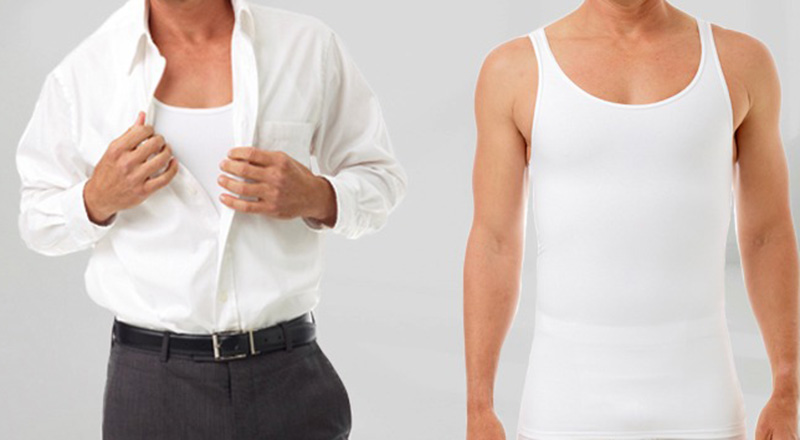
Yes, very much. This is one of the most important differences. A tank top used like an undershirt usually needs a faster washing cycle than one worn briefly as part of a layered outfit.
Yes, it matters whether the tank top is worn as underwear or as outerwear. If it functions like an undershirt and sits tightly against the body all day, it should usually be washed after every wear. If it is worn more like a relaxed outer tank for a short time in cooler conditions, a second wear may sometimes be acceptable.
At Fusionknits, the product role changes the care logic. A fitted rib tank used under a shirt all day often behaves more like underwear. A looser tank worn for a short casual outing may collect less body residue depending on weather and activity level. The closer and longer the contact, the faster the garment should be washed.
Tank top roles that need faster washing
- Undershirt-style tanks
- Fitted layering tanks
- Shapewear-adjacent tanks
- Sleep tanks worn through the night
- Daily close-fit basics
Tank top roles that may allow slightly slower rotation
Brief outerwear use
Short wear creates less total buildup.
Loose resort or beach tank use
The fit may reduce direct pressure in some body zones, though heat still matters.
Cooler indoor use
A dry, low-sweat setting reduces immediate wash pressure.
| Tank top role | Wear count before washing |
|---|---|
| Undershirt tank | Usually 1 |
| Fitted basic tank | Usually 1 |
| Loose casual outer tank | Often 1, sometimes 2 |
| Sleep tank | Usually 1 |
How Do Sweat and Weather Change How Many Times You Can Wear a Tank Top?
They change the answer a lot. Tank tops are especially sensitive to heat because they are usually worn in the exact kinds of conditions that cause more sweat and skin contact.
Sweat and weather strongly affect how many times you can wear a tank top. In hot weather or humid conditions, a tank top often needs washing after every wear because sweat, oil, and odor build up faster. In cooler weather with low activity, the tank top may sometimes be worn a second time if it still feels clean.
A cool-weather tank worn briefly under knitwear is very different from a summer tank worn in direct heat. This is why climate and body temperature matter just as much as the garment category itself.
At Fusionknits, hot-weather tanks usually need the most realistic care guidance because customers often underestimate how quickly lightweight garments absorb daily wear.
Conditions that increase wash frequency
- Hot weather
- Humid climate
- Outdoor activity
- Long walking or commuting
- Warm sleeping environment
- Strong underarm perspiration
Why weather matters so much
Heat increases body moisture
The fabric absorbs more sweat in less time.
Humidity reduces the feeling of freshness
A garment may stay damp longer and feel stale faster.
Lightweight tanks are often summer garments
This naturally puts them in higher-stress environments.
| Condition | Likely wear count |
|---|---|
| Hot and humid | 1 wear |
| Warm but dry | Usually 1 wear |
| Cool and low activity | Sometimes 2 wears |
| Workout in any weather | 1 wear |
Does Fabric Type Change How Often You Should Wash a Tank Top?
Yes. Different fibers absorb moisture, hold odor, and recover from washing differently. That changes both wear count and care strategy.

Yes, fabric type changes how often you should wash a tank top because cotton, modal, viscose, rib knit, synthetics, and performance blends all behave differently. Some fabrics absorb sweat more quickly, while others hold odor differently or need gentler laundering.
A cotton tank is easy to wash and often performs well in repeated care, but it can absorb sweat heavily in summer. Modal and viscose tanks feel soft and smooth, but they can show wear faster if washed roughly. Synthetic performance tanks may dry fast, but some can hold odor and still need frequent washing after activity.
At Fusionknits, this is why fabric choice and care guidance should always be connected.
Common tank fabrics and wear behavior
- Cotton: breathable and easy-care, but absorbs moisture
- Cotton-elastane rib: good close fit, needs regular washing
- Modal or viscose blends: soft, smooth, but gentler care needed
- Polyester performance blends: quick-drying, but often workout-driven
- Rib knits: body-close, often need faster wash rotation
Why fabric changes the wash answer
Some fabrics absorb more
This makes sweat buildup more obvious.
Some fabrics hold odor differently
Quick-dry does not always mean low wash need.
Some fabrics need gentler care
Frequent washing is fine, but the method matters.
| Fabric type | Practical wash rhythm |
|---|---|
| Cotton tank | Usually after 1 wear |
| Rib stretch tank | Usually after 1 wear |
| Modal blend tank | Usually after 1 wear |
| Performance tank | After every workout wear |
Can You Wear a Tank Top More Than Once If It Still Smells Fine?
Sometimes yes, but smell is not the only test. A garment can look and smell acceptable while still carrying body oil, skin residue, and underarm buildup.
Yes, you can sometimes wear a tank top more than once if it still smells fresh, feels dry, and was worn only lightly, but smell alone is not enough. Because tank tops have such high skin contact, they should still be washed more frequently than many other tops even when they do not obviously smell bad.
At Fusionknits, freshness should be judged by feel, exposure, and garment role, not only by odor. A tank worn directly on the body all day usually reaches its wash point quickly even if the wearer does not notice a strong smell immediately.
Better signs to check than smell alone
- Does the underarm area feel fresh?
- Does the fabric feel dry and clean?
- Was it worn close to the skin all day?
- Was it worn in heat or during activity?
- Does the neckline or body feel slightly heavy or stale?
Why smell is not the only guide
Body oils are not always obvious
A garment may feel less clean before it smells bad.
Underarm zones build faster than expected
Especially in fitted tanks.
Freshness is part of comfort
A tank top should feel light and clean against the body.
| Garment condition | Rewear possible? |
|---|---|
| Dry, short-wear, cool use | Sometimes yes |
| All-day body-close use | Usually no |
| Any noticeable underarm residue | No |
| Workout or heat exposure | No |
What Happens If You Wear a Tank Top Too Many Times Before Washing?
The first problem is usually not appearance. It is comfort. The second problem is fabric performance. A tank top that is repeatedly overworn between washes often starts to feel wrong long before it looks damaged.
If you wear a tank top too many times before washing, the garment can build up sweat, odor, body oils, skincare residue, and underarm bacteria. This reduces freshness, may irritate the skin, and can also affect fabric feel, elasticity, and long-term garment life.
At Fusionknits, high-contact basics like tanks lose customer value quickly when freshness drops. A tank top should feel like a clean base layer or a clean summer top. If the garment begins to feel sticky, stale, or heavy, it has already moved beyond a healthy wear cycle.
Common results of over-wearing
- Odor buildup
- Underarm discoloration over time
- Loss of freshness
- More skin irritation risk
- Faster elastic stress in body-close styles
- Fabric feeling heavy or coated
Why overwearing hurts the product too
Residue stays in the fibers
That can affect both comfort and long-term hand feel.
Stretch fabrics may be stressed more
Especially in close-fitting tanks.
Body oils change surface feel
The garment may stop feeling light and breathable.
| Overwear effect | Why it matters |
|---|---|
| Odor | Reduces confidence and comfort |
| Residue buildup | Weakens freshness |
| Skin irritation risk | Increases discomfort |
| Fabric fatigue | Lowers long-term value |
How Can You Wash Tank Tops Often Without Ruining Them?
This is important because tank tops usually need frequent laundering. The solution is not to wash them less than needed. The solution is to wash them correctly.
You can wash tank tops often without ruining them by using mild detergent, gentle cycles, proper fabric sorting, low heat drying or air drying, and care methods that match the fabric type. Frequent washing is not the problem. Rough washing is the problem.
At Fusionknits, tank tops last better when the care method is controlled. Rib tanks, modal blends, and stretch styles should not be treated the same as heavy towels or rough denim. Good care preserves shape, softness, and elasticity while still keeping the garment clean.
Better tank-top care habits
- Wash with similar lightweight garments
- Use mild detergent
- Avoid excessive heat
- Turn delicate styles inside out
- Air dry or use low heat when possible
- Follow fabric-specific care instructions
Why proper care matters
Tank tops are frequent-wash products
The care routine must match that reality.
Stretch and rib fabrics need protection
Harsh treatment can weaken recovery quickly.
Better care protects softness
This matters especially in direct-skin categories.
| Care habit | Benefit |
|---|---|
| Gentle cycle | Less fabric stress |
| Low heat drying | Better shape retention |
| Similar-garment wash | Less abrasion |
| Correct sorting | Better long-term quality |
What Is the Best Practical Rule for Most People?
Most people do not need a complicated system. They need a realistic rule that works in daily life and protects both comfort and garment life.
The best practical rule for most people is this: if a tank top is worn directly on the skin, treat it like a close-contact basic and wash it after 1 wear in most cases. If it was worn lightly, briefly, and in low-sweat conditions, a second wear may sometimes be acceptable if it still feels truly fresh.
At Fusionknits, this is the clearest balance between hygiene and practicality. Tank tops are not outer layers. They usually sit too close to the body for long wear cycles. A simple, realistic rotation keeps them feeling fresh, wearable, and worth owning.
Conclusion
Most tank tops should be worn about 1 to 2 times before washing, but in real life, 1 wear is usually the safer and more practical answer when the garment is worn directly against the skin. This is especially true in hot weather, during exercise, for fitted rib tanks, for layering tanks used like undershirts, and for all-day wear. A second wear may sometimes be acceptable if the tank top was worn briefly, in cool conditions, with low sweat, and still feels clearly fresh. Fabric type, body heat, climate, and product role all change the answer, which is why no single rule fits every tank equally.
At Fusionknits, we see tank tops as a high-contact apparel category that depends on freshness, softness, and repeat comfort. The best wear-and-care rhythm is one that keeps the garment clean enough to feel good against the skin while still protecting the fabric through gentle washing.
In most cases, the simplest rule is the strongest one: if the tank top has done the work of a close-contact basic, it should usually go into the wash after that wear.