The cost of manufacturing shorts varies widely depending on fabric, labor, production scale, design complexity, and location of the factory. Understanding these factors helps brands plan pricing, budget, and supply chain management.
At Fusionknits, we approach cost evaluation professionally, analyzing material selection, production processes, and operational efficiencies to deliver quality shorts at competitive pricing for both mass-market and premium lines.
As a professional apparel manufacturer, we break down the key components that influence the cost of producing shorts to help brands make informed production decisions.
How fabric affects production cost
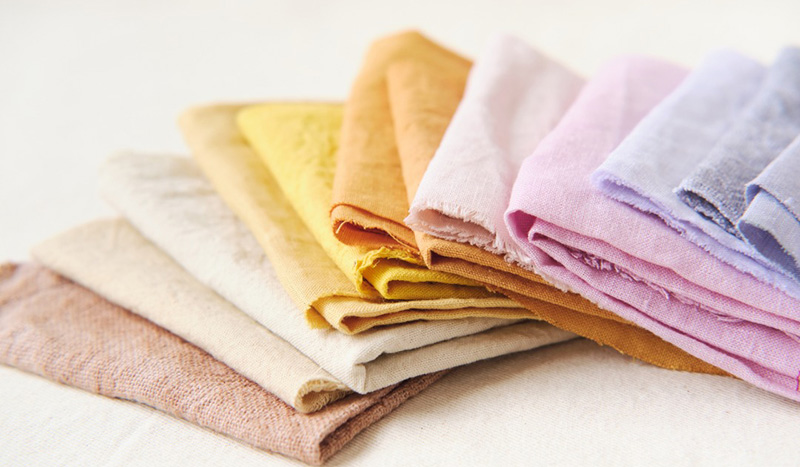
Fabric is often the largest expense in shorts manufacturing. Natural fibers like cotton or linen tend to be more expensive than synthetic fibers such as polyester. Blends with spandex or technical performance fabrics increase the cost due to specialized yarns and treatments.
At Fusionknits, we advise brands to select fabrics based on both performance and budget. Premium fabrics provide better comfort, durability, and aesthetic appeal, while cost-effective fabrics allow higher volume production without compromising basic functionality.
Fabric cost examples
| Fabric Type | Approximate Cost Impact | Use Case |
|---|---|---|
| Cotton | Medium | Casual wear, lifestyle shorts |
| Cotton/Spandex | Higher | Stretchy casual or active shorts |
| Polyester | Low to medium | Sportswear, quick-drying shorts |
| Nylon/Spandex | Higher | High-performance athletic shorts |
How labor impacts cost
Labor costs depend on the location and skill level of the workforce. Factories in countries with higher wages, such as Australia or the US, incur higher labor costs than in countries like China, Vietnam, or Bangladesh. Labor-intensive processes like cutting, sewing, and finishing significantly influence overall cost.

At Fusionknits, we manage labor efficiency by optimizing workflow, using experienced operators, and balancing quality with production speed to maintain competitive pricing while delivering consistent quality.
Labor cost considerations
| Factor | Impact |
|---|---|
| Skilled labor | Higher quality, more consistent output |
| Location | Influences wage rates and operational costs |
| Production complexity | Multiple panels, linings, and features increase labor time |
How production scale affects cost
Large-scale production reduces cost per unit due to economies of scale. Smaller batches may have higher per-unit costs because setup, materials, and labor are distributed across fewer items. Brands need to consider order size and inventory management when calculating shorts production cost.
At Fusionknits, we offer scalable solutions for both small-batch custom shorts and mass-market production, allowing brands to optimize unit costs based on demand and budget.
Scale impact
| Production Volume | Cost per Unit |
|---|---|
| Small batch | High |
| Medium batch | Moderate |
| Large batch | Lower due to economies of scale |
How design complexity impacts cost
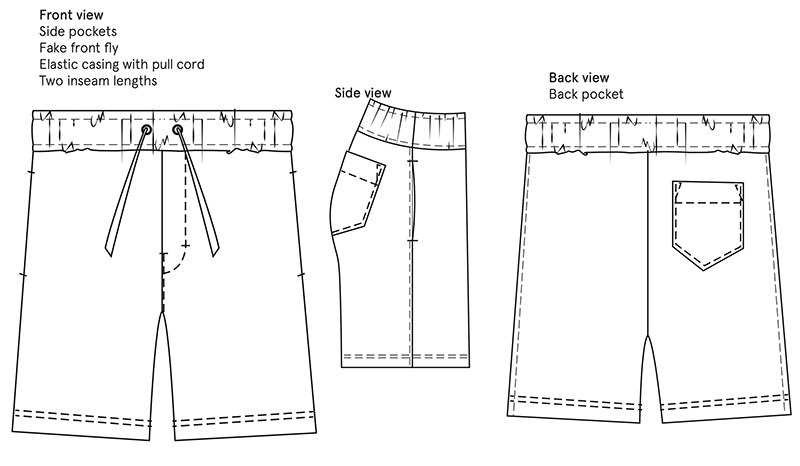
Shorts with additional features such as pockets, lining, drawstrings, elastic waistbands, or intricate stitching patterns increase material usage and labor time, driving up cost. Minimalist designs are simpler to produce and more cost-efficient.
At Fusionknits, we advise brands to balance design complexity with target pricing. Functional features can be added strategically without excessively increasing production costs.
Design factors
| Feature | Cost Impact |
|---|---|
| Extra pockets | Medium |
| Elastic waistband with drawstring | Low to medium |
| Lined shorts | Medium |
| Complex stitch patterns | Medium to high |
How finishing processes affect cost
Finishing steps, including washing, dyeing, printing, embroidery, or heat transfers, add to the total production cost. Special finishes, like anti-odor, anti-microbial, or water-resistant treatments, further increase cost but enhance garment value.
At Fusionknits, we incorporate finishing processes efficiently to maintain quality and performance while controlling production expenses.
Finishing cost factors
| Process | Effect on Cost |
|---|---|
| Dyeing | Moderate |
| Embroidery | Medium to high |
| Printing | Low to medium |
| Specialty treatments | Medium to high |
How logistics and packaging influence cost
Shipping, import/export duties, and packaging materials contribute to final production costs. Producing locally reduces shipping costs and lead times but may incur higher labor expenses. Overseas manufacturing can reduce unit costs but increases logistics complexity.

At Fusionknits, we advise brands to factor in logistics when planning production, balancing cost savings from overseas manufacturing with shipping times and potential risks.
Logistics considerations
| Factor | Impact |
|---|---|
| Domestic production | Higher labor, lower shipping costs |
| Overseas production | Lower labor, higher shipping and customs costs |
| Packaging | Adds minor but necessary cost for retail-ready presentation |
Conclusion
The cost of making shorts depends on multiple factors: fabric choice, labor, production scale, design complexity, finishing processes, and logistics. Natural fibers, specialized features, and ethical production increase cost, while efficient workflows, blended fabrics, and simplified designs help reduce expenses.
At Fusionknits, we approach shorts manufacturing professionally by evaluating each cost component carefully. By optimizing fabric selection, labor efficiency, design features, and finishing techniques, we help brands produce high-quality shorts that meet both budget and performance expectations.
Understanding these cost drivers allows brands to plan production strategically while delivering stylish, durable, and comfortable shorts for the consumer market.