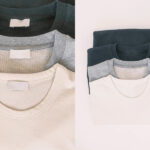
Oversized T-shirts have become one of the most popular apparel categories in modern streetwear, casual fashion, and premium basics. However, many buyers focus on fit and design while overlooking one of the most important quality indicators: GSM. Choosing the wrong fabric weight can result in an oversized T-shirt that feels too thin, lacks structure, or becomes uncomfortable to wear.
For most oversized T-shirts, a fabric weight between 220 GSM and 280 GSM is considered ideal. This range provides enough thickness to create the relaxed, structured silhouette that consumers expect while maintaining comfort, durability, and breathability. Lighter fabrics below 200 GSM may feel too thin, while fabrics above 300 GSM create a heavier premium streetwear look.
At Fusionknits, we often recommend selecting GSM based on the target market, climate, and desired fit rather than simply choosing the heaviest fabric available.
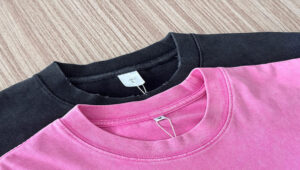
What does GSM mean in T-shirt fabric?
Many buyers hear the term GSM without fully understanding its importance.
GSM stands for grams per square meter, which measures the weight of a fabric. A higher GSM indicates a heavier fabric, while a lower GSM indicates a lighter fabric.
GSM directly affects how a T-shirt looks and feels.
Why GSM Matters
Fabric weight influences:
- Structure
- Durability
- Comfort
- Opacity
- Drape
These characteristics shape the overall product quality.
Understanding Fabric Weight
Generally:
| GSM Range | Fabric Weight |
|---|---|
| 120-160 GSM | Lightweight |
| 160-200 GSM | Standard |
| 200-240 GSM | Midweight |
| 240-300 GSM | Heavyweight |
| 300+ GSM | Ultra Heavyweight |
Each range serves a different purpose.
Why Buyers Should Pay Attention
Two oversized T-shirts may look identical online.
However, GSM often determines:
- Premium feel
- Long-term durability
- Customer satisfaction
Fabric weight influences perceived value.
Why is GSM especially important for oversized T-shirts?
Oversized garments behave differently than regular-fit shirts.

Oversized T-shirts require more structure because the larger silhouette relies on the fabric to maintain shape and create the desired visual effect.
Fabric weight becomes more noticeable.
The Role of Structure
Oversized designs depend on:
- Shoulder shape
- Body drape
- Sleeve volume
A fabric that is too light may collapse.
What Happens With Low GSM Fabric?
Very light fabrics may:
- Look cheap
- Lose shape easily
- Appear overly clingy
- Develop wrinkles quickly
These issues reduce the premium appearance.
Why Streetwear Brands Prefer Heavier Fabrics
Many premium brands use:
- 240 GSM
- 260 GSM
- 280 GSM
These weights create a more substantial feel.
Is 180 GSM good for an oversized T-shirt?
Many manufacturers offer oversized shirts in this range.
A 180 GSM fabric can work for oversized T-shirts, but it usually creates a softer and more relaxed drape rather than a structured streetwear silhouette.
The outcome depends on the intended style.
Advantages of 180 GSM
Benefits include:
- Lightweight comfort
- Better airflow
- Lower production cost
- Suitable for warm climates
These qualities appeal to certain markets.
Limitations
Potential drawbacks include:
- Less structure
- Reduced opacity
- Lower premium perception
Some consumers may view it as too thin.
Best Uses
180 GSM works well for:
- Summer collections
- Fashion basics
- Promotional apparel
- Casual lifestyle brands
Not every oversized shirt needs heavyweight fabric.
Why is 220-240 GSM considered the sweet spot?
This range has become increasingly popular.
Many apparel brands consider 220-240 GSM the ideal balance between comfort, structure, and wearability for oversized T-shirts.
It satisfies most customer expectations.
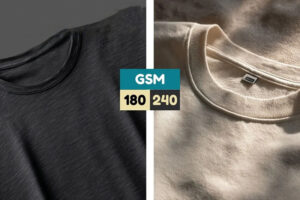
Benefits of 220-240 GSM
This range provides:
- Good drape
- Strong durability
- Premium hand feel
- Year-round usability
It works across many markets.
Why Consumers Like It
Customers often notice:
- Better fabric density
- Improved appearance
- Enhanced longevity
The shirt feels more substantial.
Common Applications
Popular categories include:
- Streetwear
- Premium blanks
- Fashion brands
- Private label collections
Many successful oversized products fall within this range.
Is 280 GSM too heavy for an oversized T-shirt?
Heavyweight fabrics have become fashionable.
A 280 GSM fabric is not too heavy for an oversized T-shirt if the goal is a premium, structured, and luxury streetwear appearance.
Many premium brands actively seek this weight.
Advantages of 280 GSM
Benefits include:
- Strong structure
- Excellent durability
- Premium aesthetic
- Better shape retention
These characteristics support high-end positioning.
Potential Drawbacks
Considerations include:
- Higher cost
- Reduced breathability
- Heavier wearing experience
Climate becomes an important factor.
Ideal Markets
280 GSM works well for:
- Luxury streetwear
- Fashion-forward brands
- Fall collections
- Premium basics
Consumer expectations continue to evolve toward heavier fabrics.
What GSM do luxury streetwear brands use?
Streetwear has significantly influenced modern T-shirt development.

Many luxury streetwear brands use fabrics ranging from 240 GSM to 320 GSM to create oversized silhouettes with strong structure and premium hand feel.
Fabric weight contributes to perceived quality.
Common Streetwear GSM Levels
| Segment | Typical GSM |
|---|---|
| Entry-Level Streetwear | 200-220 GSM |
| Premium Streetwear | 240-280 GSM |
| Luxury Streetwear | 280-320 GSM |
| Designer Collections | 300+ GSM |
Heavier fabrics often support higher retail prices.
Why Heavyweight Fabrics Feel Premium
Consumers associate heavy fabrics with:
- Better quality
- Durability
- Exclusivity
This perception drives purchasing decisions.
Market Trends
The demand for heavyweight oversized T-shirts continues to grow globally.
Particularly in:
- North America
- Europe
- Australia
These regions favor structured silhouettes.
How does fabric composition affect GSM performance?
GSM alone does not determine quality.
Two fabrics with identical GSM values can perform very differently depending on fiber content and fabric construction.
Composition remains critical.
Cotton Fabrics
Cotton offers:
- Breathability
- Natural softness
- Comfort
It remains the most popular choice.
Cotton-Polyester Blends
Advantages include:
- Shape retention
- Durability
- Reduced shrinkage
Blends can improve performance.
Premium Cotton Options
High-end oversized T-shirts often use:
- Combed cotton
- Ring-spun cotton
- Supima cotton
Fiber quality matters alongside weight.
How does GSM affect the drape of an oversized T-shirt?
Drape plays a major role in appearance.
Heavier GSM fabrics generally create a boxier and more structured drape, while lighter fabrics produce a softer and more flowing silhouette.
The desired aesthetic influences fabric selection.
Lightweight Drape
Characteristics include:
- Soft movement
- Relaxed appearance
- Casual styling
Common below 200 GSM.
Midweight Drape
Provides:
- Balanced structure
- Versatility
- Comfortable wear
Often found between 220-240 GSM.
Heavyweight Drape
Creates:
- Sharp silhouette
- Streetwear appearance
- Premium look
Popular above 260 GSM.
What GSM should clothing brands choose?
The ideal GSM depends on brand positioning.
Most apparel brands should choose oversized T-shirt fabrics between 220 GSM and 280 GSM because this range satisfies both comfort and premium appearance requirements.
The target customer should guide decisions.
For Budget Brands
Recommended range:
- 180-220 GSM
Benefits:
- Lower cost
- Broader market appeal
For Premium Brands
Recommended range:
- 240-280 GSM
Benefits:
- Better structure
- Stronger brand perception
For Luxury Streetwear
Recommended range:
- 280-320 GSM
Benefits:
- Premium positioning
- High-end customer appeal
The right GSM supports the overall product strategy.
What other factors matter besides GSM?
Many buyers focus exclusively on weight.
While GSM is important, fabric quality, yarn type, knitting method, and finishing treatments often have an equal or greater impact on the final garment quality.
Weight alone does not guarantee excellence.
Evaluate Yarn Quality
Look for:
- Combed cotton
- Ring-spun yarns
- Long-staple fibers
Higher-quality yarn improves softness.
Consider Fabric Construction
Important elements include:
- Knit density
- Recovery
- Stability
Construction influences durability.
Check Finishing Treatments
Premium finishes may include:
- Enzyme washing
- Silicon washing
- Anti-pilling treatments
These enhancements improve customer experience.
Conclusion
For most oversized T-shirts, the ideal fabric weight falls between 220 GSM and 280 GSM. This range delivers the structure, durability, and premium appearance that consumers increasingly expect from oversized silhouettes. While lighter fabrics around 180 GSM can work for casual and summer-focused products, they often lack the substantial feel associated with modern streetwear. On the other hand, heavier fabrics above 280 GSM create a luxury aesthetic but may feel too warm or restrictive in certain climates.
The best GSM ultimately depends on the product's purpose, target customer, and brand positioning. Buyers should remember that fabric weight is only one part of the equation. Fiber quality, yarn construction, knitting techniques, and finishing treatments all contribute to the final performance and perceived value of an oversized T-shirt.
At Fusionknits, we have found that successful oversized T-shirt programs balance GSM with fabric quality and garment construction. Rather than automatically choosing the heaviest fabric available, the smartest approach is selecting a weight that supports the desired silhouette, comfort level, and market positioning while delivering the quality that customers expect.