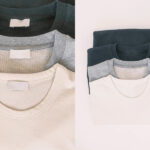
Many new baby clothing brands focus mainly on cute designs and social media marketing, but underestimate the importance of fabric safety, production quality, sizing consistency, and supplier reliability. Poor planning can quickly create inventory problems and customer trust issues.
Starting a baby clothes business usually involves product planning, market positioning, fabric sourcing, manufacturer selection, branding, sampling, and inventory management. Product safety, fabric quality, and consistent manufacturing are especially important in baby apparel production.
At Fusionknits, product development and quality control are critical parts of apparel manufacturing. In baby clothing production, comfort, fabric safety, and stable construction standards are often more important than fast-changing fashion trends.
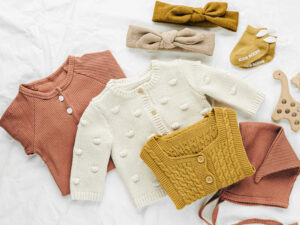
Why Is The Baby Clothing Market Still Growing?
Baby apparel remains one of the most stable categories in the fashion industry.
The baby clothing market continues growing because parents prioritize comfort, safety, and frequent size replacement as children develop quickly.
Demand for baby apparel is driven by both practical needs and emotional purchasing behavior.
Babies Outgrow Clothing Quickly
Baby clothing sizes change rapidly during early growth stages.
Parents often purchase:
- Newborn clothing
- Infant bodysuits
- Sleepwear
- Seasonal outfits
- Soft loungewear
Frequent replacement creates stable market demand.
Parents Prioritize Comfort And Safety
Unlike fashion-focused adult apparel, baby clothing requires:
- Soft fabrics
- Gentle seams
- Breathable materials
- Safe trims
Comfort and safety strongly influence purchasing decisions.
Online Sales Continue Expanding
Many baby clothing brands now sell through:
- Shopify stores
- Amazon
- Etsy
- Social media platforms
Digital sales channels reduce the need for physical retail investment.
Personalized Baby Apparel Is Increasing
Custom baby apparel products continue growing in popularity.
Examples include:
| Product Type | Popular Feature |
|---|---|
| Bodysuits | Printed names |
| Pajamas | Seasonal themes |
| Baby sets | Personalized embroidery |
Customization creates stronger emotional value for consumers.
What Products Should A New Baby Clothes Brand Start With?
Starting with simple and practical products often reduces operational risk.

New baby clothing brands usually start with basic products such as bodysuits, rompers, pajamas, T-shirts, and soft cotton sets because they have stable demand and lower production complexity.
Focused product development helps improve inventory control.
Bodysuits Are One Of The Most Popular Categories
Baby bodysuits remain a core product category because they are:
- Practical
- Comfortable
- Easy to style
- Frequently replaced
Most startup baby brands include bodysuits in their first collection.
Pajamas And Sleepwear Have Stable Demand
Parents prioritize comfort in baby sleepwear.
Common features include:
- Soft cotton fabrics
- Breathable construction
- Stretch comfort
- Easy snap closures
Sleepwear often performs well in ecommerce sales.
Matching Baby Sets Increase Average Order Value
Many brands offer coordinated sets such as:
- Tops and pants
- Hoodies and joggers
- Seasonal outfits
Matching products improve collection presentation.
Avoid Overcomplicated Products Early
Highly technical products may increase:
- Sampling costs
- Production difficulty
- Inventory pressure
Starting with simpler products usually improves operational stability.
What Fabrics Are Best For Baby Clothes?
Fabric selection is one of the most important decisions in baby apparel manufacturing.
The best fabrics for baby clothes are usually soft, breathable, skin-friendly materials such as cotton, organic cotton, bamboo blends, and cotton-spandex fabrics.
Comfort and safety are major priorities in babywear production.
Cotton Remains The Most Common Choice
Cotton is widely used because it offers:
| Feature | Benefit |
|---|---|
| Soft Texture | Gentle on skin |
| Breathability | Better airflow |
| Moisture Absorption | Improved comfort |
| Natural Fiber | Reduced irritation |
Cotton works well for daily baby apparel.
Organic Cotton Is Increasingly Popular
Many parents now prefer organic cotton products.
Organic cotton appeals to consumers looking for:
- Chemical-free processing
- Eco-friendly materials
- Softer hand feel
Organic babywear continues growing in global markets.
Bamboo Fabrics Offer Softness And Breathability
Bamboo blends are often used in premium babywear.
Benefits include:
- Smooth texture
- Moisture management
- Lightweight feel
However, bamboo fabrics may increase production cost.
Stretch Fabrics Improve Comfort
Cotton-spandex blends help improve:
- Flexibility
- Shape recovery
- Ease of movement
Stretch fabrics are especially useful in baby rompers and bodysuits.
At Fusionknits, fabric testing and softness evaluation are important parts of apparel manufacturing quality control.
How Do You Find A Reliable Baby Clothes Manufacturer?
Supplier selection strongly affects product quality and delivery consistency.

Reliable baby clothes manufacturers should provide stable quality control, safe fabric sourcing, strong communication, sampling support, and consistent production standards.
The right manufacturing partner helps reduce operational risk.
Experience In Baby Apparel Matters
Babywear manufacturing requires additional attention to:
- Seam comfort
- Fabric softness
- Trim safety
- Stitch durability
Factories with babywear experience usually understand these requirements better.
Fabric Safety Standards Are Important
Professional manufacturers should support testing for:
- Harmful substances
- Color fastness
- Shrinkage
- Fabric stability
Many buyers now request certifications such as:
- OEKO-TEX
- GOTS
- CPSIA compliance
Sampling Support Helps Product Development
Sampling allows brands to evaluate:
- Sizing
- Fabric quality
- Construction details
- Branding appearance
Professional sample development improves production accuracy.
Communication Affects Production Efficiency
Strong communication helps reduce:
- Production errors
- Shipping delays
- Incorrect specifications
At Fusionknits, production planning and technical communication are important parts of apparel manufacturing support.
Should You Use Private Label Or OEM Manufacturing?
Manufacturing strategy affects startup cost and product uniqueness.
private label manufacturing offers lower startup cost and faster production, while OEM manufacturing provides higher customization and stronger brand differentiation.
Both models are common in baby clothing production.
What Is Private Label Manufacturing?
Private label production uses existing garment templates.
Brands mainly customize:
- Logos
- Packaging
- Labels
- Colors
Advantages include:
- Lower MOQs
- Faster production
- Reduced development cost
This model is popular for startup brands.
What Is OEM Manufacturing?
OEM manufacturing allows brands to customize:
- Fabric selection
- Sizing
- Patterns
- Prints
- Construction details
OEM products provide stronger uniqueness but require higher investment.
Small Brands Often Start With Hybrid Models
Some businesses combine both strategies.
For example:
- Private label basics
- OEM seasonal collections
This helps balance cost control and product differentiation.
Product Complexity Affects Manufacturing Choice
Simple babywear products work well with private label production.
Highly customized collections may require OEM development.
How Much Does It Cost To Start A Baby Clothes Business?
Startup costs depend on manufacturing strategy and business scale.

Starting a baby clothes business may cost anywhere from a few thousand dollars to larger investments depending on inventory quantity, customization level, branding, and marketing strategy.
Budget planning is important during early-stage development.
Manufacturing Costs
Production cost depends on:
- Fabric type
- Product complexity
- Printing requirements
- Order quantity
Basic baby apparel usually costs less than technical products.
Branding And Packaging Costs
New brands often spend money on:
- Logo design
- Hangtags
- Polybags
- Custom packaging
Packaging strongly affects customer perception.
Ecommerce Setup Costs
Most startup brands sell online first.
Common ecommerce expenses include:
| Expense Category | Typical Purpose |
|---|---|
| Shopify setup | Online store |
| Product photography | Brand presentation |
| Social media content | Marketing |
| Paid advertising | Customer acquisition |
Digital branding plays a major role in modern babywear businesses.
Inventory Management Matters
Overstock creates financial pressure.
Many successful startups begin with:
- Small collections
- Limited quantities
- Core products only
Controlled inventory reduces early-stage risk.
How Important Is Branding In Baby Clothing?
Brand identity strongly affects customer trust in babywear markets.
Strong branding helps baby clothing businesses build emotional connection, product recognition, and long-term customer loyalty.
Parents often value trust and consistency when purchasing baby products.
Soft Visual Branding Works Well
Many successful babywear brands use:
- Minimal logos
- Soft colors
- Clean packaging
- Simple typography
This creates a calm and premium appearance.
Product Photography Influences Sales
Professional photography improves:
- Product presentation
- Consumer confidence
- Brand credibility
Visual quality strongly affects ecommerce conversion rates.
Storytelling Builds Emotional Connection
Parents often connect emotionally with baby products.
Brands commonly focus on themes such as:
- Comfort
- Family
- Safety
- Sustainability
This strengthens brand identity.
Consistent Branding Improves Recognition
Consistent colors, packaging, and messaging help consumers remember the brand more easily.
What Common Mistakes Should New Baby Clothing Brands Avoid?
Many startup brands face preventable production and operational problems.
Common mistakes include poor fabric selection, over-ordering inventory, weak supplier communication, inconsistent sizing, and low-quality construction standards.
Careful planning improves long-term business stability.
Ignoring Fabric Quality
Low-quality fabrics may create:
- Skin irritation
- Shrinkage
- Pilling
- Consumer complaints
Fabric testing is especially important in babywear production.
Overcomplicated Product Lines
Too many products increase:
- Inventory pressure
- Sampling cost
- Production complexity
Focused collections are easier to manage during early growth stages.
Choosing Suppliers Only By Price
Very low-cost suppliers may create:
- Inconsistent sizing
- Poor stitching
- Delayed production
- Weak communication
Reliable manufacturing partnerships are important for stable growth.
Weak Quality Control
Baby apparel requires careful inspection.
Factories should inspect:
- Stitch strength
- Fabric softness
- Label attachment
- Snap durability
- Measurement consistency
At Fusionknits, quality control procedures are integrated throughout apparel manufacturing to support stable production standards.
Conclusion
Starting a baby clothes business involves much more than creating attractive designs. Product safety, fabric quality, supplier reliability, and consistent manufacturing standards all play important roles in long-term brand success. Starting with focused product categories and controlled inventory often helps reduce early-stage operational risks.
At Fusionknits, baby apparel manufacturing focuses on soft fabrics, stable production quality, and reliable development support for growing clothing brands. Careful fabric selection, structured production management, and strong quality control help brands build more competitive and trustworthy babywear collections.