Many buyers hear “100% polyester” and immediately assume the sweatshirt will feel cheap, hot, or uncomfortable. That reaction is common, but it is not always accurate. In manufacturing, comfort depends on much more than the fiber name alone. Knit structure, fabric weight, brushing, moisture behavior, and garment purpose all change the final result.
We do not consider a 100% polyester sweatshirt automatically uncomfortable. A 100% polyester sweatshirt can be comfortable when it is engineered well, especially for performance, lightweight warmth, and easy-care use. However, in many premium casualwear and comfort-led categories, it usually feels less naturally soft and less breathable than a strong cotton-rich sweatshirt.
At Fusionknits, we see polyester as a functional fiber, not a universal luxury fiber. It performs well in some sweatshirt categories and less well in others. That is why the better question is not only whether 100% polyester is comfortable. The better question is what kind of comfort the customer actually wants.
Why do people think 100% polyester sweatshirts are uncomfortable?
This idea usually comes from older or lower-grade polyester garments. Many customers remember polyester as overly shiny, static-heavy, or less breathable than natural fibers. That memory still affects how they judge the material today.
People often think 100% polyester sweatshirts are uncomfortable because polyester has long been associated with a more synthetic hand feel, lower natural breathability, and a warmer skin feel in some casualwear products. In many cases, the problem comes from weak fabric development rather than polyester itself.
At Fusionknits, we often explain that polyester is not one single feeling. A poorly made polyester sweatshirt can feel harsh or overly warm. A well-made polyester knit can feel smooth, light, and practical. The discomfort question depends heavily on quality level and end use.
Why polyester has a mixed reputation
- Many low-cost garments use weak polyester
- Older polyester fabrics often felt less natural
- Customers compare it to cotton comfort
- Polyester is judged quickly by touch
- Lower-grade finishing can make it feel dry or plasticky
Why this reputation is only partly fair
Fiber reputation is not the full product story
Knit structure and finishing still shape the final comfort level.
Polyester performs differently in different categories
A sports sweatshirt and a premium lounge sweatshirt should not be judged by the same comfort standard.
| Common complaint | Usual real cause |
|---|---|
| Feels too synthetic | Weak yarn or poor finishing |
| Feels hot | Wrong knit structure or wrong product use |
| Feels cheap | Low fabric quality, not polyester alone |
Can a 100% polyester sweatshirt actually feel comfortable?
Yes, it can. But the comfort is usually different from cotton comfort. Polyester comfort often comes from smoothness, lower weight, easier drying, and technical wear performance rather than from natural softness.

Yes, a 100% polyester sweatshirt can feel comfortable, especially when it is lightweight, smooth, brushed correctly, and designed for movement or easy-care use. Its comfort usually feels more technical and more functional than the softer, more natural comfort of cotton-rich sweatshirts.
At Fusionknits, we often see polyester perform well in sports-oriented sweatshirts, travel layers, uniforms, and lightweight active casualwear. In these cases, the wearer may care more about shape retention, easy washing, or quick drying than about a natural fiber hand feel.
When polyester comfort works well
- Light active sweatshirts
- Travelwear
- Teamwear and uniforms
- Layering pieces
- Easy-care daily basics
What this comfort usually feels like
Smooth rather than natural
Polyester can feel sleek and controlled.
Practical rather than cozy
The comfort often comes from function, not from plush softness.
| Comfort type | Polyester result |
|---|---|
| Natural soft comfort | Usually weaker than cotton |
| Technical smooth comfort | Often strong |
| Easy-care daily wear | Often strong |
Is polyester less breathable than cotton in a sweatshirt?
In many everyday comfort categories, yes, polyester often feels less naturally breathable than cotton. This is one of the biggest reasons customers prefer cotton in classic sweatshirts.
Yes, polyester is often less naturally breathable than cotton in lifestyle sweatshirts, especially when the knit is dense or the garment is designed mainly for warmth. Cotton usually feels more airy and more relaxed in direct-skin casualwear.
At Fusionknits, this is where product purpose matters greatly. If the sweatshirt is for lounging, premium basics, or all-day casual comfort, 100% polyester may feel less pleasant than cotton-rich fleece or French terry. But if the garment is meant for lighter sport or easier outdoor use, polyester may still perform well.
Why cotton often feels more breathable
- Natural fiber hand feel
- Better everyday skin comfort
- Less synthetic heat buildup in many casual knits
- Stronger fit with lounge and premium basics
Why polyester can still work
Breathability is not only about fiber
Knit structure, fabric weight, and finishing also matter.
Some performance polyester fabrics are engineered for airflow
But that comfort belongs more to technical categories than classic sweatshirt comfort.
| Breathability question | Stronger answer |
|---|---|
| Lifestyle comfort sweatshirt | Cotton usually wins |
| Technical movement layer | Polyester can still work well |
Is a polyester sweatshirt softer or rougher than cotton?
In most premium casual categories, polyester usually feels less naturally soft than cotton. But softness still depends on brushing and finishing. Some polyester fabrics can feel very smooth, even if they do not feel as rich or natural as cotton-rich fleece.
A 100% polyester sweatshirt is usually smoother rather than softer in the natural sense. Cotton-rich sweatshirts often feel warmer, fuller, and more comforting, while polyester sweatshirts often feel cleaner, slicker, or more technical depending on the finish.
At Fusionknits, we separate “soft” into two kinds. Cotton softness feels cozy and natural. Polyester softness often feels smooth and controlled. Both can be comfortable, but they are not the same customer experience.
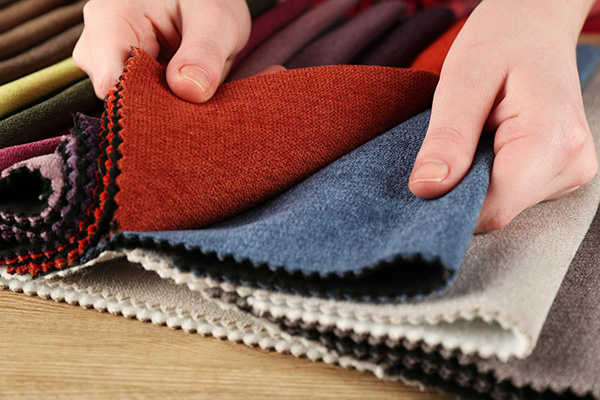
How polyester softness usually feels
- Smoother surface
- More technical touch
- Less dry than weak polyester if well finished
- Less plush than premium cotton fleece
How cotton softness usually feels
More natural
The hand feel is usually warmer and more relaxed.
More emotional
Customers often connect cotton softness with comfort and home use.
| Softness type | Cotton | Polyester |
|---|---|---|
| Natural softness | Stronger | Weaker |
| Smooth technical softness | Moderate | Stronger |
Is 100% polyester better for some sweatshirt uses?
Yes, absolutely. Polyester is often more useful in technical or practical categories where recovery, lower moisture retention, and easier care matter more than premium natural comfort.
Yes, 100% polyester is better for some sweatshirt uses, especially performance layers, teamwear, travelwear, easy-care uniforms, and lightweight outer training tops. In these product types, polyester’s strength comes from durability, shape retention, and practical wear performance.
At Fusionknits, this is where polyester makes the most sense. If the sweatshirt is expected to keep shape, dry quickly, and survive heavy washing cycles, polyester can be a strong option. The category just needs to match the material honestly.
Best uses for 100% polyester sweatshirts
- Training tops
- Team or school sportswear
- Travel layers
- Easy-care branded uniforms
- Lightweight technical pullovers
Why polyester works better here
Performance is the priority
The customer wants function first.
Natural luxury is not the goal
The sweatshirt is judged more by utility than by plush lifestyle comfort.
| Product category | Polyester suitability |
|---|---|
| Lounge sweatshirt | Usually weaker |
| Performance sweatshirt | Strong |
| Travel layer | Strong |
| Teamwear | Strong |
Is 100% polyester worse than a blend?
In many broad commercial cases, yes. That is one reason blends are so common. A good blend often keeps polyester’s practical strengths while reducing some of its comfort weaknesses.

In many sweatshirt categories, 100% polyester is less balanced than a well-developed blend. Cotton-poly blends often feel more comfortable than pure polyester while still offering better recovery and durability than pure cotton.
At Fusionknits, this is often the most practical answer for many customers. A blend can create a better balance of softness, shape, and wash performance. Pure polyester is usually most useful when the product is clearly technical or price- and durability-driven.
Why blends are often easier to sell
- Better hand feel than pure polyester
- Better recovery than pure cotton
- Stronger commercial balance
- Easier category flexibility
- More acceptable in broad casualwear
Why pure polyester still exists
Some categories need its strengths directly
Performancewear and easy-care products may benefit from 100% polyester.
Cost and consistency can matter
Some large-scale programs prefer the predictability.
| Fabric option | Broad comfort balance |
|---|---|
| 100% cotton | Strong in casual comfort |
| 100% polyester | Strong in technical function |
| Cotton-poly blend | Often strongest all-around balance |
What should buyers check before judging polyester sweatshirt comfort?
The fiber content alone is not enough. A buyer should look at the whole fabric system before deciding whether the sweatshirt will actually feel comfortable.
Before judging a 100% polyester sweatshirt, buyers should check the knit structure, brushing quality, fabric weight, inside finish, surface feel, and intended end use. A polyester sweatshirt may feel acceptable or even very good in the right construction, but weak and uncomfortable in the wrong one.
At Fusionknits, this is one of the most important sourcing lessons. A fiber label cannot replace real fabric review. The same polyester content can produce very different results depending on how the fabric is made.
What buyers should evaluate
- Fabric weight
- Surface smoothness
- Brushed or non-brushed inside
- Stretch and recovery
- Heat retention level
- End-use category
Why full fabric review matters
Polyester is highly engineering-dependent
Its comfort changes more dramatically through finishing and knit structure.
The wrong use creates the wrong judgment
A performance sweatshirt and a lounge sweatshirt should not be judged by one comfort standard.
| Review point | Why it matters |
|---|---|
| Knit structure | Changes breathability and feel |
| Finish | Changes softness and smoothness |
| End use | Defines comfort expectation |
So, is a 100% polyester sweatshirt comfortable or not?
The most honest answer is that it can be comfortable, but usually in a different way from cotton. It is often more comfortable in technical, performance, and easy-care categories than in premium comfort-led casualwear.
At Fusionknits, we would say a 100% polyester sweatshirt can be comfortable when it is designed for performance, movement, light layering, or easy-care use. But for natural softness, breathability, and premium lounge-style comfort, it is usually less comfortable than a strong cotton-rich sweatshirt.
Conclusion
A 100% polyester sweatshirt is not automatically uncomfortable. It can be comfortable when the fabric is engineered well and the product is designed for the right purpose. Polyester often performs well in technical sweatshirts, travel layers, teamwear, and easy-care products because it offers smoother function, stronger shape retention, and quicker drying behavior.
However, in many comfort-led categories such as premium basics, lounge sweatshirts, and soft everyday pullovers, it usually feels less naturally breathable and less emotionally comfortable than cotton-rich alternatives.
At Fusionknits, we believe the real answer depends on what kind of comfort the customer wants. If the goal is natural softness, warmth, and relaxed everyday wear, cotton-rich fabrics usually perform better. If the goal is function, easy care, and technical use, 100% polyester can be a practical and comfortable choice. The best material is not the one with the strongest reputation. It is the one that fits the product honestly.