The rise of casual lifestyles and remote work has brought loungewear to the forefront of modern fashion. Many consumers ask whether loungewear is simply another name for pajamas or if it represents a completely different apparel category. While both prioritize comfort, their functions, design philosophies, and consumer expectations differ significantly.
Loungewear is different from pajamas because it is designed for both comfort and everyday wear, while pajamas are primarily intended for sleeping. Loungewear combines relaxed styling with practical features that allow consumers to wear it at home, while traveling, running errands, or working remotely. Pajamas focus almost entirely on sleep comfort and nighttime use.
At Fusionknits, understanding these distinctions helps brands select the right fabrics, fits, and construction methods. As comfort-driven fashion continues to grow, the line between sleepwear and casual wear has become increasingly blurred, making it more important than ever to understand what separates these two categories.
What Are Pajamas Designed For?
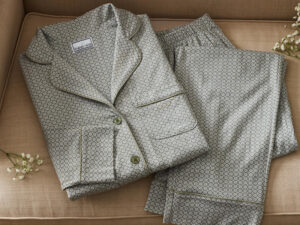
Pajamas have traditionally been developed as sleepwear.
The primary purpose of pajamas is to provide comfort during sleep through soft fabrics, relaxed fits, and minimal design elements that could interfere with rest.
Unlike many other apparel categories, pajamas prioritize nighttime comfort above all else.
Common characteristics of pajamas
Most pajamas feature:
- Lightweight fabrics
- Soft hand feel
- Relaxed silhouettes
- Minimal hardware
- Breathable construction
Typical pajama styles
| Pajama Type | Description |
|---|---|
| Two-Piece Set | Matching top and bottom |
| Sleep Shirt | Oversized shirt designed for sleep |
| Nightgown | Loose-fitting sleep dress |
| Sleep Shorts Set | Lightweight warm-weather option |
| Thermal Pajamas | Cold-weather sleepwear |
These garments are generally intended to remain inside the home and are rarely styled for public wear.
Why comfort is the priority
During sleep, consumers require garments that:
- Minimize skin irritation
- Allow unrestricted movement
- Regulate body temperature
- Feel soft against the skin
These requirements influence every aspect of pajama design.
What Is Loungewear Designed For?
Loungewear serves a broader purpose than pajamas.

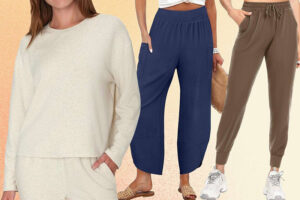
Loungewear is designed for relaxation, casual activities, and comfortable daily wear while maintaining a presentable appearance.
It bridges the gap between sleepwear and casual apparel.
Common loungewear products
Popular loungewear categories include:
- Joggers
- Hoodies
- Sweatshirts
- Lounge pants
- Knit sets
- Oversized T-shirts
- Cardigans
Key characteristics
| Feature | Loungewear |
|---|---|
| Comfort | High |
| Versatility | High |
| Public Wearability | Moderate to High |
| Durability | High |
| Styling Focus | Moderate |
Unlike pajamas, loungewear is often designed with both comfort and appearance in mind.
Why loungewear became popular
Several lifestyle trends accelerated demand:
- Remote work
- Athleisure fashion
- Casual dress codes
- Comfort-focused consumers
These changes transformed loungewear into a major apparel category.
What Are the Main Differences Between Loungewear and Pajamas?
Many consumers confuse these categories because they share certain characteristics.
The biggest difference is that pajamas are intended for sleeping, while loungewear is intended for relaxing and casual daily activities.
Their design priorities differ significantly.
Side-by-side comparison
| Feature | Pajamas | Loungewear |
|---|---|---|
| Primary Purpose | Sleep | Relaxation and casual wear |
| Fabric Weight | Lightweight | Light to medium weight |
| Durability | Moderate | High |
| Styling | Minimal | Fashion-oriented |
| Public Use | Rare | Common |
| Functional Details | Limited | Extensive |
Design philosophy comparison
Pajamas prioritize:
- Softness
- Breathability
- Sleep comfort
Loungewear prioritizes:
- Comfort
- Versatility
- Appearance
Why the distinction matters
For apparel brands, these differences affect:
- Fabric selection
- Fit development
- Marketing strategy
- Consumer expectations
Understanding the intended use improves product performance.
What Fabrics Are Commonly Used in Pajamas?
Fabric plays a critical role in sleepwear comfort.
Pajama fabrics are selected primarily for softness, breathability, and temperature regulation.
Comfort remains the highest priority.
Popular pajama fabrics
| Fabric | Benefits |
|---|---|
| Cotton | Breathable and soft |
| Modal | Smooth and moisture-wicking |
| Silk | Luxurious and lightweight |
| Bamboo Viscose | Soft and cooling |
| Flannel | Warm and insulating |
Why fabric softness matters
Sleepwear fabrics should:
- Minimize friction
- Reduce irritation
- Improve sleep quality
- Enhance comfort
Seasonal pajama fabrics
Summer pajamas often use:
- Cotton
- Modal
- Bamboo blends
Winter pajamas often use:
- Flannel
- Brushed cotton
- Thermal knits
Different climates require different fabric solutions.
What Fabrics Are Commonly Used in Loungewear?
Loungewear fabrics must balance comfort and durability.
Unlike pajamas, loungewear fabrics must withstand regular wear, frequent washing, and occasional outdoor use while maintaining softness.
This creates different manufacturing requirements.
Popular loungewear fabrics
| Fabric | Benefits |
|---|---|
| French Terry | Lightweight and versatile |
| Cotton-Poly Blend | Durable and comfortable |
| Fleece | Warm and soft |
| Modal Blend | Smooth and stylish |
| Jersey Knit | Comfortable and flexible |
Why durability matters
Loungewear is often worn:
- Throughout the day
- During travel
- While working remotely
- During light activities
These demands require stronger fabrics.
The role of fabric blends
Manufacturers often blend fibers to improve:
- Shape retention
- Wrinkle resistance
- Durability
- Moisture management
This helps extend product lifespan.
Can Loungewear Be Used as Pajamas?
Consumer habits continue to evolve.

Many modern loungewear garments can also function as sleepwear, especially lightweight joggers, oversized T-shirts, and knit lounge sets.
This overlap has created a growing hybrid category.
Examples of dual-purpose garments
| Garment | Sleepwear | Loungewear |
|---|---|---|
| Oversized T-Shirt | Yes | Yes |
| Knit Joggers | Yes | Yes |
| Hoodie | Rarely | Yes |
| Lounge Set | Yes | Yes |
| Thermal Top | Yes | Yes |
Why versatility appeals to consumers
Consumers increasingly prefer products that:
- Serve multiple purposes
- Reduce wardrobe complexity
- Deliver better value
This trend continues to influence product development.
The rise of hybrid apparel
Many brands now design products specifically to function as both:
- Sleepwear
- Loungewear
This creates additional market opportunities.
How Has Remote Work Changed Loungewear?
The growth of remote work dramatically changed consumer behavior.
Remote work increased demand for comfortable clothing that appears presentable during video calls while remaining suitable for all-day wear.
Loungewear became an everyday necessity.
New consumer expectations
Remote workers often seek:
- Soft fabrics
- Professional appearance
- All-day comfort
- Easy care
Popular remote-work loungewear
| Garment | Popularity |
|---|---|
| Joggers | Very High |
| Hoodies | High |
| Knit Sets | High |
| Sweatshirts | High |
| Lounge Pants | Very High |
These products remain strong sellers.
Why appearance became important
Unlike pajamas, remote-work apparel must balance:
- Comfort
- Visual appeal
This requirement helped expand the loungewear market and contributed to the rise of remote work apparel.
How Should Apparel Brands Design Loungewear and Pajamas?
Successful product development begins with understanding consumer needs.
Pajamas should prioritize sleep comfort, while loungewear should balance comfort, durability, functionality, and style.
The two categories require different development strategies.
Considerations for pajamas
Brands should focus on:
- Breathable fabrics
- Relaxed fit
- Soft hand feel
- Temperature regulation
Considerations for loungewear
Brands should prioritize:
- Durable fabrics
- Versatile styling
- Functional details
- Shape retention
Product development comparison
| Category | Primary Focus |
|---|---|
| Pajamas | Sleep Comfort |
| Loungewear | Everyday Comfort and Style |
Understanding these priorities improves customer satisfaction.
Manufacturing recommendations
Successful collections often include:
- Dedicated sleepwear
- Dedicated loungewear
- Hybrid comfort collections
This approach serves a wider consumer base.
Conclusion
Loungewear and pajamas may appear similar, but they serve different purposes. Pajamas are designed specifically for sleeping, focusing on softness, breathability, and nighttime comfort. Loungewear is intended for relaxation and casual daily activities, combining comfort with functionality and presentable styling.
At Fusionknits, these differences influence fabric selection, garment construction, fit development, and product positioning. Pajamas typically use lightweight fabrics optimized for sleep, while loungewear relies on more durable materials capable of supporting all-day wear.
As consumer lifestyles continue to prioritize comfort, both categories will remain important, but understanding their unique roles is essential for creating products that meet modern expectations.