Shorts are a staple in both casual and athletic wardrobes, but choosing the right fit is crucial for comfort, performance, and style. While some consumers prefer tight, form-fitting shorts, others opt for loose, relaxed styles. Understanding when to choose each fit helps brands design products that meet diverse consumer needs.
At Fusionknits, we manufacture shorts in both tight and loose styles using high-quality fabrics, precise patterning, and advanced finishing techniques. Our expertise ensures that every design offers the perfect balance of comfort, style, and functionality.
As a professional clothing manufacturer, we examine factors that influence fit preferences, including activity type, fabric selection, body movement, seasonal trends, and consumer lifestyle.
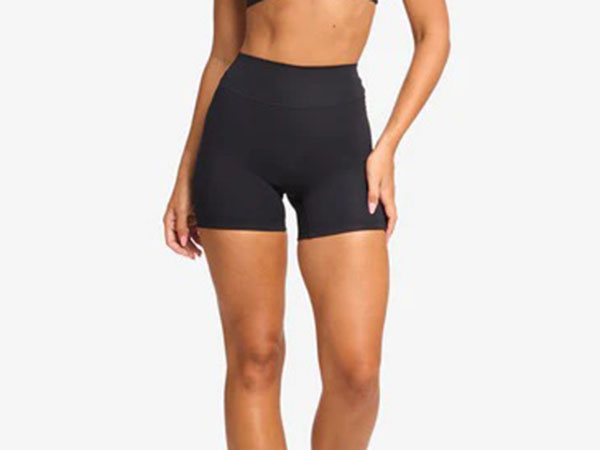
What defines tight shorts?
Tight shorts are form-fitting, hugging the body closely. They are commonly made from stretchable fabrics like spandex, elastane, or high-performance blends. Tight shorts are preferred for activities requiring flexibility, support, and aerodynamic efficiency, such as running, cycling, or yoga.
At Fusionknits, we develop tight shorts with ergonomic patterns, high-stretch fabrics, and reinforced stitching to ensure comfort during intense activity.
Characteristics of tight shorts
| Feature | Benefit |
|---|---|
| Form-fitting cut | Reduces excess fabric and friction |
| High-stretch fibers | Allows full range of motion |
| Compression panels | Supports muscles and improves circulation |
| Minimalistic design | Lightweight and breathable |
| Elastic waistband | Secure fit without discomfort |
Tight shorts also enhance aesthetic appeal, providing a sleek, athletic silhouette. They are often chosen for performance wear or fashion-forward activewear collections.
What defines loose shorts?
Loose shorts offer more room around the thighs and hips, typically falling straight or relaxed from the waist. They are usually made from lightweight fabrics like cotton, polyester, or nylon blends. Loose shorts prioritize comfort, airflow, and casual style over compression or form-fitting support.

At Fusionknits, we produce loose shorts for leisurewear, loungewear, and casual fashion, ensuring softness, breathability, and relaxed fit.
Characteristics of loose shorts
| Feature | Benefit |
|---|---|
| Relaxed cut | Maximizes comfort and airflow |
| Lightweight fabrics | Keeps the wearer cool and mobile |
| Elastic or drawstring waistband | Adjustable fit for casual wear |
| Versatile styling | Suitable for everyday or streetwear fashion |
| Breathability | Reduces heat and sweat accumulation |
Loose shorts are ideal for everyday wear, warm climates, and casual activities where unrestricted movement and comfort are priorities.
How activity type influences fit
The intended activity is a primary factor in choosing between tight and loose shorts. High-intensity or performance activities benefit from tight, compression-style shorts that support muscles and reduce friction. In contrast, casual walks, lounging, or low-impact activities often favor loose, breathable designs.
At Fusionknits, we recommend fabrics and fits according to activity type, balancing support, ventilation, and range of motion.
Activity-based fit recommendations
| Activity | Preferred Fit | Reason |
|---|---|---|
| Running | Tight | Reduces drag, supports muscles |
| Yoga/Pilates | Tight | Enhances flexibility and comfort |
| Casual walking | Loose | Comfort and breathability |
| Beach or leisure | Loose | Cool, relaxed movement |
| Gym workouts | Tight | Compression, prevents chafing |
Fabric selection for tight vs. loose shorts
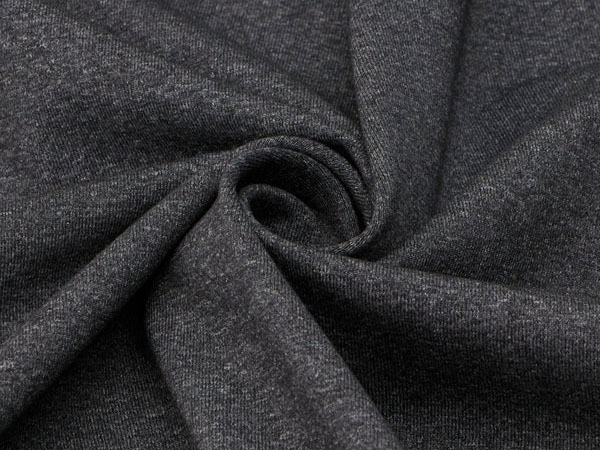
Tight shorts rely on high-stretch fabrics such as nylon-spandex blends or polyester-elastane to maintain shape and provide compression. Loose shorts are often made from natural fibers like cotton or cotton-poly blends, prioritizing softness and airflow over compression.
At Fusionknits, we optimize fabric blends to ensure tight shorts offer shape retention and support, while loose shorts provide breathability and relaxed comfort.
Fabric characteristics
| Fit Type | Typical Fabrics | Performance Benefit |
|---|---|---|
| Tight | Nylon-spandex, polyester-elastane | Stretch, compression, shape retention |
| Loose | Cotton, polyester, lightweight blends | Softness, airflow, casual comfort |
Fabric weight and breathability also play a role. Lightweight fabrics are preferred for both tight and loose shorts in warm weather, while slightly heavier fabrics provide structure and durability for performance or casual use.
Length considerations and fit perception
Shorts length can influence whether tight or loose styles feel appropriate. Tight shorts are typically mid-thigh or above, allowing freedom of movement. Loose shorts may vary from mid-thigh to knee-length, providing comfort and coverage. Proper length ensures mobility, prevents chafing, and maintains aesthetic balance.
At Fusionknits, we develop patterns that consider thigh circumference, inseam, and rise to optimize comfort, appearance, and function for each fit type.
Length guidelines
| Fit Type | Typical Length | Benefit |
|---|---|---|
| Tight | Mid-thigh or shorter | Reduces restriction, ideal for athletic activity |
| Loose | Mid-thigh to knee | Enhances airflow and casual comfort |
Fashion and style influence
Fashion trends also determine whether tight or loose shorts are preferred. Athleisure, activewear, and gym trends favor tight, sleek silhouettes. Streetwear and casual lifestyle markets often prefer relaxed, loose shorts with functional details like cargo pockets or drawstrings.

At Fusionknits, we monitor fashion trends to adapt our short designs to current consumer preferences and seasonal styling.
Fashion trends impact
| Trend | Fit Preference | Style Feature |
|---|---|---|
| Athleisure | Tight | Streamlined, minimalistic |
| Streetwear | Loose | Cargo pockets, adjustable waistbands |
| Outdoor casual | Loose | Breathable, relaxed movement |
| High-performance sports | Tight | Compression panels, ergonomic design |
How consumer preference affects choice
Consumers prioritize different factors, including comfort, mobility, aesthetic, and climate suitability. Tight shorts appeal to those seeking performance and a sporty look, while loose shorts are favored for comfort, casual settings, and hot weather.
At Fusionknits, we offer diverse options to cater to different consumer segments, ensuring brands can provide both performance-oriented and lifestyle-focused shorts.
Consumer preference factors
| Factor | Tight Shorts | Loose Shorts |
|---|---|---|
| Comfort | Moderate | High |
| Mobility | High in active movement | High in relaxed settings |
| Style | Sleek, athletic | Casual, relaxed |
| Climate | Warm to moderate | Hot weather or layered climates |
Cost and manufacturing considerations
Tight shorts require high-stretch, precision-knit fabrics, ergonomic patterning, and reinforced stitching, increasing production costs. Loose shorts often use standard woven or knit fabrics and simpler patterns, making them more cost-effective to produce at scale.
At Fusionknits, we balance cost and functionality by choosing materials, construction, and finishing techniques suited to the intended market segment.
Manufacturing considerations
| Feature | Tight Shorts | Loose Shorts |
|---|---|---|
| Fabric | High-stretch technical blends | Cotton or cotton-poly blends |
| Construction | Ergonomic knitting, compression zones | Cut-and-sew panels, simple stitching |
| Cost | Higher | Moderate |
| Production complexity | Advanced patterning and finishing | Standard techniques |
Conclusion
Choosing between tight and loose shorts depends on activity, fabric, style, and consumer preference. Tight shorts provide compression, flexibility, and a sleek silhouette suitable for activewear and athletic pursuits. Loose shorts prioritize comfort, breathability, and casual style, ideal for leisure, streetwear, and everyday wear.
At Fusionknits, we manufacture both tight and loose shorts using premium fabrics, precise patterns, and advanced finishing processes.
By integrating fabric selection, ergonomic construction, and market insights, we deliver shorts that balance performance, comfort, and aesthetic appeal. Brands can leverage this knowledge to design products that satisfy diverse consumer needs across athletic, casual, and lifestyle segments, ensuring long-term satisfaction and market success.